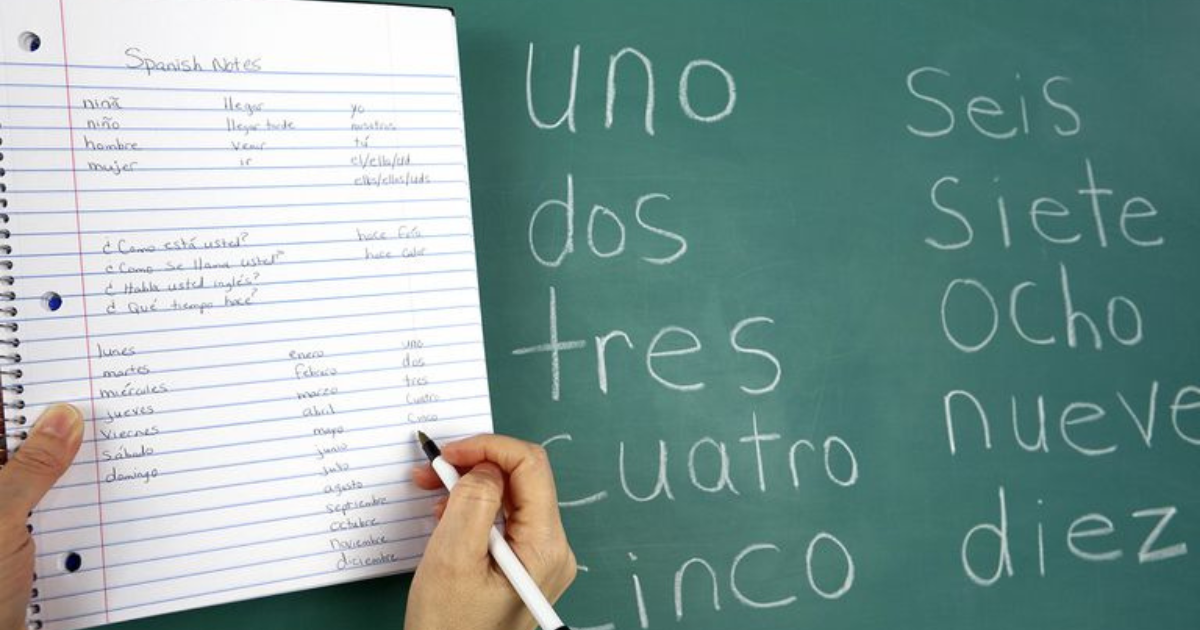
Choosing where to learn Spanish in Latin America can feel overwhelming at first. The region is enormous and incredibly diverse. Every country has its own rhythms, accents, traditions, levels of affordability, and opportunities for immersion. Some cities are ideal for beginners who want structure and clarity. Others are perfect for long term learners who want culture, nightlife, and fast paced urban life. A few stand out because they offer a rare mix of everything.
This guide looks at eight of the most popular cities chosen by Spanish learners from around the world. The goal is to provide a comprehensive and honest view of what life is actually like in each place. You will find practical information about daily living, neighbourhoods, safety, and immersion, as well as deeper cultural context, language insights, and the type of learner each city suits best. Although we specialise in programs based in Cusco, this guide aims to give a fair overview of multiple popular destinations around the region.
The cities included are:
• Cusco, Peru
• Mexico City, Mexico
• Oaxaca, Mexico
• Antigua Guatemala, Guatemala
• San Jose, Costa Rica
• Medellin, Colombia
• Buenos Aires, Argentina
• Lima, Peru
Each section includes detailed descriptions and a full ratings breakdown. By the end, you will see how the cities compare and why Cusco stands out as the strongest all around choice for most learners.
Cusco, Peru

Overall impression
Cusco is a city with an unmatched sense of history. It was once the heart of the Inca Empire. Today it remains a living blend of indigenous tradition, Spanish colonial influence, and a warm Andean culture that shapes daily life. The historic centre is a patchwork of stone streets, plazas, markets, and hillside neighbourhoods. Many residents still speak Quechua at home, yet the Spanish spoken in Cusco is notably clear, slow, and easy for learners to understand.
Cusco is unique because it manages to feel both intimate and vibrant. Visitors often say they feel at home after only a few days. Spanish learners thrive here because the pace of life encourages real conversation and the city rewards curiosity.
Why it attracts Spanish learners
Cusco has a long standing reputation for high quality immersion programmes. Homestays are common, and local families are used to welcoming learners into their homes. The cost of living is low, food is healthy and varied, and the city layout invites walking. The majority of people do not default to English, even in tourist zones, which creates an ideal environment for structured practice.
Because many visitors come to learn about culture rather than party or work remotely, the atmosphere in classrooms and communal spaces tends to feel grounded and supportive.
The city is also ideal for those planning to combine Spanish learning with hiking in the surrounding Andes mountains or visiting historical sites such as the magical Machu Picchu. Most language schools provide guided tours and day trips in the region.
Practical details
Neighbourhoods
Most students live or study in the historic centre, near Avenida de la Cultura or in San Blas. San Blas is known for artisan shops, quiet cobbled streets, and a calm atmosphere. The centre around Plaza de Armas is livelier but still safe and walkable. Most schools are located in the historic centre.
Cost of living
Accommodation, food, and transport are significantly more affordable than in most other destinations on this list. Homestays usually include three meals per day, which makes long term study very cost effective.
Daily life and immersion
Daily interactions tend to be slow and personal. You will find yourself having full conversations with market sellers, taxi drivers, neighbours, and café staff. People are patient with learners and often genuinely pleased that a visitor is trying to speak Spanish.
Climate
Cusco has a dry winter and a rainy summer. Evenings are cool throughout the year. This climate supports outdoor exploration but you need layers.
Transport
You can walk almost everywhere. Buses are frequent and inexpensive. Most intercity trips start from the bus terminals. There is a regional airport that receives flights from Lima and other Peruvian cities as well as internationally from Bogota and Santiago. A new airport is scheduled to open 2026 promising even more international routes in the near future.
Cultural and sociolinguistic depth
Peruvian Spanish is considered among the most neutral variants, and is both slow and accessible. Cusco’s Spanish is strongly influenced by Quechua, yet grammatically it is neutral and easy to follow. Many locals speak slightly more slowly than coastal Peruvians, which beginners appreciate. The emphasis on respect and politeness in Andean culture creates a supportive environment where learners feel safe making mistakes.
Culturally, the city offers festivals, dances, Andean music, and one of the richest gastronomic traditions in the Andes. Markets are central to life and are excellent spaces for immersion.
Advantages
• Clear and slow Spanish ideal for beginners
• Extremely friendly local culture
• Affordable housing and food
• World class cultural sites
• Strong homestay tradition
• Walkable and manageable city layout
• Great sense of community among learners
Disadvantages
• Limited direct flights
• Altitude adjustment required for some
• Fewer nightlife options than large capitals
• Evening/morning Weather can be cool even in summer
Ratings
Cost of living: 5
Safety: 4
Neutrality of Spanish: 5
Culture: 5
Transport links: 3.5
Climate: 4
Quality of language schools: 5
Friendliness: 5
Suitability for beginners: 5
Mexico City, Mexico

Overall impression
Mexico City is a vast cultural powerhouse filled with museums, historic districts, colourful markets, and endless things to do. It has more than twenty million people in the wider metropolitan area. The scale can feel enormous, yet each neighbourhood has its own identity. Coyoacan feels artistic and historic. Roma and Condesa feel modern, leafy, and filled with cafés. The historic centre is grand and full of energy.
For Spanish learners, Mexico City offers cosmopolitan life, access to excellent teachers, and an accent that is widely understood across Latin America.
Why it attracts Spanish learners
The city has a large number of professional language schools and private tutors. Many learners choose to stay in neighbourhoods where it is safe, walkable, and easy to meet people. The local Spanish is expressive but clear, which helps comprehension. Mexican Spanish is the most widely spoken regional variant, although there are substantial differences between accents and speeds of speech within the wider country.
Practical details
Neighbourhoods
Roma, Condesa, Coyoacan, and Escandon are favourite areas among learners because of safety, cafés, tree lined streets, and creative communities. The historic centre is vibrant but can feel chaotic.
Cost of living
Costs vary widely. Some districts are affordable while others resemble prices in major North American cities. Food, transport, and casual dining remain relatively inexpensive.
Daily life and immersion
Mexicans in the capital tend to speak quickly yet clearly. Learners have countless opportunities to practice at markets, taquerias, museums, and on public transport. However, the city has enough English speakers that immersion requires some intention.
Transport
The metro is extensive and inexpensive. Buses and taxis are widely available. Traffic can be heavy but public transport makes the city accessible.
Climate
Moderate year round due to altitude. Warm days and cool evenings.
Cultural and sociolinguistic depth
Mexico City is one of the literary and artistic capitals of Latin America. The influence of Mexican Spanish is strong across the region, which makes it a useful dialect for learners. The city’s culture spans Aztec heritage, colonial architecture, muralism, modern arts, and a world renowned food scene. Learners interested in culture, politics, or history find endless material to explore.
Advantages
• Extraordinary cultural depth
• Clear Mexican accent
• Excellent infrastructure
• Large number of schools
• Strong café culture for remote work and studying
• International flight connections
Disadvantages
• Some districts have petty crime
• Population size can feel overwhelming
• Air quality can take getting used to
• Immersion requires deliberate effort in tourist friendly neighbourhoods
Ratings
Cost of living: 3
Safety: 3
Neutrality of Spanish: 4
Culture: 5
Transport links: 5
Climate: 4
Quality of language schools: 5
Friendliness: 4
Suitability for beginners: 4
Oaxaca, Mexico

Overall impression
Oaxaca is the cultural heart of southern Mexico. It is known for indigenous traditions, world class cuisine, handmade crafts, mezcal, festivals, and a warm, relaxed lifestyle. The historic centre is filled with colourful buildings, artisan markets, and plazas where people gather daily. Compared with Mexico City, Oaxaca feels intimate and grounded.
Why it attracts Spanish learners
Oaxaca has a long tradition of language schools that focus on cultural immersion. Many offer cooking classes, craft workshops, volunteer programmes, and trips to indigenous communities. Learners who prefer slower paced environments appreciate the city’s relaxed rhythm.
Practical details
Neighbourhoods
The historic centre and Jalatlaco are the most popular. Both are walkable, full of cafés, and safe for students. The atmosphere is calm and community oriented.
Cost of living
More affordable than Mexico City. Homestays are common and reasonably priced. Food markets make it easy to cook cheaply.
Daily life and immersion
Locals are warm and accustomed to visitors but do not tend to switch to English. The city has many indigenous languages in use, which adds cultural richness but can influence regional vocabulary.
Transport
The city is walkable. Buses are simple but reliable. The airport is small but functional.
Climate
Warm days and cooler evenings with a distinct dry season.
Cultural and sociolinguistic depth
Oaxaca has deep Zapotec and Mixtec influences. Many cultural experiences revolve around tradition, community, and food. Learners find themselves absorbed in cooking classes, artisan tours, local festivals, and markets that feel like extensions of daily life rather than tourist attractions.
The Spanish spoken here is generally clear but may contain regional words drawn from indigenous languages.
Advantages
• Strong immersion opportunities
• Exceptional food
• Safe, walkable, colourful centre
• Community focused atmosphere
• Rich artisanal traditions
Disadvantages
• Regional vocabulary can be unfamiliar
• Smaller airport with limited routes
• Slower nightlife scene
• Hot weather during parts of the year
Ratings
Cost of living: 4
Safety: 4
Neutrality of Spanish: 3
Culture: 5
Transport links: 3.5
Climate: 4
Quality of language schools: 4.5
Friendliness: 5
Suitability for beginners: 4
Antigua Guatemala, Guatemala

Overall impression
Antigua is one of the most famous Spanish learning destinations in the world. It is a UNESCO listed colonial city surrounded by volcanoes, cobbled streets, and colourful houses. The atmosphere is peaceful, and the scale is small enough to feel comfortable immediately.
Why it attracts Spanish learners
Antigua became popular because the Spanish spoken in Guatemala is clear and not too fast while the cost of learning is low. This makes it ideal for beginners and intensive one to one tutoring. Schools in the city have decades of experience offering total immersion.
Practical details
Neighbourhoods
The entire town is essentially one walkable neighbourhood. Most schools and homestays are within a short walking distance of each other.
Cost of living
Very affordable. Homestays are inexpensive and usually include meals.
Daily life and immersion
Locals speak slowly and clearly. The city is tourist oriented, so English does appear, but most interactions remain in Spanish unless you request otherwise. The pace of life is gentle and social.
Transport
Good access to Guatemala City’s airport via shuttle services. The town itself is fully walkable.
Climate
Warm, spring-like climate with cool evenings.
Cultural and sociolinguistic depth
Antigua’s charm lies in its colonial architecture, markets, and surrounding countryside. Cultural activities tend to focus on coffee production, Mayan textiles, and volcano hikes. The Spanish taught in schools is among the clearest available in Latin America, which is why many learners begin here before moving to other regions.
Advantages
• Clear Spanish
• Strong homestay culture
• Affordable one to one tutoring
• Beautiful, walkable environment
• Relaxed lifestyle
Disadvantages
• Very tourist oriented in peak seasons
• Safety varies outside central areas
• Not as much cultural depth as larger cities
• Limited nightlife
Ratings
Cost of living: 4
Safety: 3
Neutrality of Spanish: 5
Culture: 4
Transport links: 3
Climate: 4
Quality of language schools: 4.5
Friendliness: 4
Suitability for beginners: 5
San Jose, Costa Rica

Overall impression
San Jose is the gateway to one of the most stable and nature focused countries in Latin America. While the city itself is more functional than beautiful, its educational system is strong and its people are welcoming. Many learners choose San Jose because Costa Rica is easy to navigate and offers excellent weekend trips.
Why it attracts Spanish learners
Costa Rican Spanish is known for clarity and politeness. Schools in San Jose have reliable teaching standards. The city also offers modern infrastructure and a strong sense of safety.
Practical details
Neighbourhoods
Barrio Escalante, Rohrmoser, and Sabana are popular among learners. They offer cafés, parks, and central locations.
Cost of living
Higher than other destinations. Food and accommodation are noticeably more expensive.
Daily life and immersion
Locals tend to be patient and friendly toward learners. Immersion is solid although the city has less cultural density than others on this list.
Transport
Public buses are extensive. Uber and taxis are widely used. Travel to beaches and national parks is straightforward.
Climate
Warm, tropical climate with rainy seasons.
Cultural and sociolinguistic depth
Costa Rican Spanish has a reputation for clarity and politeness. The use of usted is common in everyday speech, which can be helpful for understanding formal registers. Culturally, San Jose offers museums and theatres, although much of the country’s appeal lies outside the capital.
Advantages
• Safe country
• Clear and polite Spanish
• Modern infrastructure
• Friendly locals
• Easy access to nature
Disadvantages
• High cost of living
• City is less atmospheric
• Cultural offerings are more limited
• Not the strongest immersion compared to other destinations
Ratings
Cost of living: 2
Safety: 4
Neutrality of Spanish: 4
Culture: 3
Transport links: 4
Climate: 4
Quality of language schools: 4
Friendliness: 5
Suitability for beginners: 4
Medellin, Colombia

Overall impression
Medellin is a modern, green, innovative city with a pleasant climate that feels like spring throughout the year. It sits in a valley surrounded by mountains and has a dynamic atmosphere that attracts digital nomads, young professionals, and travellers.
Why it attracts Spanish learners
The paisa accent is warm, melodic, and widely loved. Locals are known for being talkative and welcoming. Medellin’s modern infrastructure, metro system, and café culture make it accessible for both short and long stays.
Practical details
Neighbourhoods
Laureles is the favourite for learners because it is safe, walkable, residential, and full of cafés. El Poblado is more upscale and tourist oriented. Envigado offers a more local feel.
Cost of living
Affordable compared with major cities. Food, transport, and accommodation are reasonably priced.
Daily life and immersion
Colombians are very social. Conversations flow easily and learners are often drawn into friendly exchanges. Accents outside the city can be faster and less neutral.
Transport
The metro is efficient and clean. Cable cars connect hillside communities. Taxis and rideshares are common.
Climate
Spring-like temperatures all year.
Cultural and sociolinguistic depth
Medellin has a strong identity shaped by reinvention and innovation. Its museums, parks, and cultural centres reflect modern Colombian life. The paisa accent is not fully neutral but is known for its warmth and clarity.
Advantages
• Excellent climate
• Friendly locals
• Good metro and transport
• Affordable lifestyle
• Strong community feel in Laureles
Disadvantages
• Safety varies by district
• Tourist growth reduces immersion in some areas
• Accent differs noticeably from other regions
Ratings
Cost of living: 4
Safety: 3
Neutrality of Spanish: 4
Culture: 4
Transport links: 4
Climate: 5
Quality of language schools: 4
Friendliness: 5
Suitability for beginners: 4
Buenos Aires, Argentina

Overall impression
Buenos Aires is one of the most cosmopolitan cities in Latin America. It is known for theatre, literature, tango, café culture, and a European influenced architectural style. The pace of life is fast, intellectual, and expressive.
Why it attracts Spanish learners
Learners who love culture, nightlife, and artistic environments often find Buenos Aires irresistible. The Spanish spoken here is distinct due to the use of vos and unique pronunciation as well as many local terms and usages. This can challenge beginners but also enriches linguistic understanding.
Practical details
Neighbourhoods
Palermo is the most popular because of its cafés, parks, and nightlife. Recoleta offers elegance and museums. San Telmo has historic charm and a bohemian spirit.
Cost of living
Prices fluctuate due to economic conditions. Foreign currency advantages can make the city affordable.
Daily life and immersion
The city is full of conversation. Porteños speak expressively and with strong personality. Learners who enjoy social life will find many chances to practice.
Transport
The Subte metro network is extensive. Buses reach all parts of the city.
Climate
Humid subtropical climate with warm summers and mild winters.
Cultural and sociolinguistic depth
Buenos Aires is a cultural capital. Its theatres, bookstores, music venues, and cafés shape daily life. The local dialect, Rioplatense Spanish, is influenced by Italian immigration and uses the vos form. Learners gain exposure to linguistic diversity, though total beginners might find it challenging.
Advantages
• Incredible cultural life
• Lively and social atmosphere
• Affordable under current economic conditions
• Many schools and tutors
• Distinctive identity and charm
Disadvantages
• Accent can be challenging
• City is large and complex
• Economic instability
• Immersion varies by neighbourh
Ratings
Cost of living: 3.5
Safety: 3
Neutrality of Spanish: 2
Culture: 5
Transport links: 5
Climate: 4
Quality of language schools: 4
Friendliness: 4
Suitability for beginners: 3
Lima, Peru

Overall impression
Lima is a large coastal capital with modern districts, world class food, and a diverse cultural scene. It feels very different from Cusco because it is coastal, urban, and contemporary. The Spanish spoken in Lima is considered one of the most neutral in Latin America.
Why it attracts Spanish learners
Learners choose Lima for its neutral accent, high level teachers, and vibrant food culture. The city suits long term study, especially for learners who want an urban lifestyle.
Practical details
Neighbourhoods
Miraflores, Barranco, and San Isidro are the most popular. All are safe, full of cafés, and close to the coast.
Cost of living
More expensive than Cusco but cheaper than San Jose or large North American cities.
Daily life and immersion
Locals tend to speak clearly and directly. English appears in tourist settings, but Spanish remains dominant in daily life.
Transport
The Metropolitano bus system connects major districts. Taxis and rideshares are common.
Climate
Cool, cloudy winters with a long season of overcast skies. Summers are warm and more vibrant.
Cultural and sociolinguistic depth
Lima has a strong literary scene, excellent museums, Afro Peruvian traditions, and a celebrated culinary identity. The Spanish spoken here is a good model for intermediate and advanced learners who want a neutral dialect.
Advantages
• Very neutral Spanish
• Excellent teachers
• World class food
• Safe and modern districts
• Good public transport in coastal areas
Disadvantages
• Weather can feel grey and uninspiring
• Traffic is heavy
• Large city with long travel times
• More expensive than smaller Peruvian cities
Ratings
Cost of living: 3
Safety: 3
Neutrality of Spanish: 5
Culture: 4
Transport links: 5
Climate: 3
Quality of language schools: 4
Friendliness: 4
Suitability for beginners: 4
Final comparison: which city is best overall?
Each destination on this list has strengths that make it appealing for different types of learners. They can all make a claim to be the best city in Latin America for Spanish learners in their own unique ways. Mexico City and Buenos Aires are ideal for people who want art, nightlife, and metropolitan energy. Oaxaca and Antigua are perfect for learners who want slower pace and intense immersion. Medellin offers modern living, warmth, and comfort. Lima offers neutral Spanish and an urban coastline. San Jose offers stability and clarity.
While we may be biased when the categories are compared side by side, one city stands out for delivering strong results across almost every factor that matters.
Cusco provides clear and accessible Spanish, affordability, rich culture, immersion that feels natural, and a community that supports learners at every level. It offers enough structure for beginners and enough depth for long term study. The lifestyle is safe, calm, and community focused. The city rewards curiosity and invites meaningful interactions that accelerate real progress.
This balance is rare, which is why Cusco remains the best all around choice for learning Spanish in Latin America.That said, you should choose the destination that matches your goals and interests.
Ready to learn Spanish in Cusco?
If you want to experience high quality immersion, clear Spanish, and a city filled with history and warmth, Cusco offers an ideal environment for meaningful learning. On or website you can explore our Spanish programmes, learn about our homestays and student house, read our testimonials or get in touch to speak with our team about which course suits your goals. We also offer volunteering and internships opportunities which allow you to practice and improve your Spanish while contributing to worthwhile projects. Whether you are a total beginner or a returning learner, Cusco provides the perfect setting to develop confidence and fluency. Contact us on info@proyectoperucentre.org.