About Cusco & Peru
Discover Cusco, Peru
Cusco sits high in the Peruvian Andes and is widely known as the former capital of the Inca Empire, but what makes the city remarkable today is not only its archaeological legacy but the very present and vivid culture you feel in the streets, markets, and neighborhoods. People come here to visit famous nearby sites for a few days, yet those who stay even a little longer discover a city that is social, walkable, warm in personality, and shaped by rhythms that are completely its own. Life here is lived outside and among people rather than behind closed doors, and everyday interactions often tell you more about Peru than any guidebook ever could.
This page gives you a grounded sense of what Cusco and Peru are really like so that you can picture the place clearly and get comfortable imagining yourself here, whether for a week of Spanish immersion or a longer period living in the community as a volunteer or intern. Our team has lived and worked here for years and we have written this guide to help you understand how the city functions day to day, what you can expect as a visitor, and how to navigate life here with confidence, curiosity, and respect.
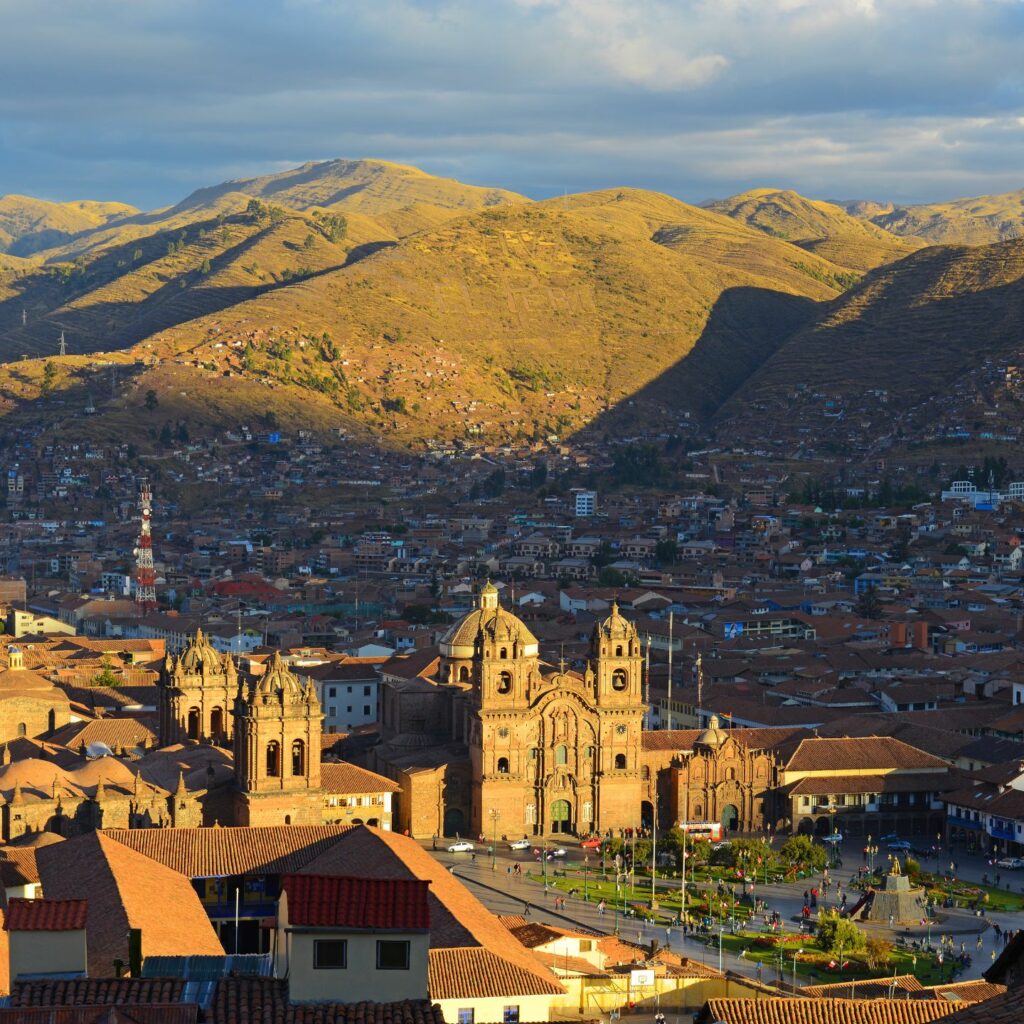
“The word that most perfectly describes Cusco is evocative. Intangible dust of another era settles on its streets” – Che Guevara
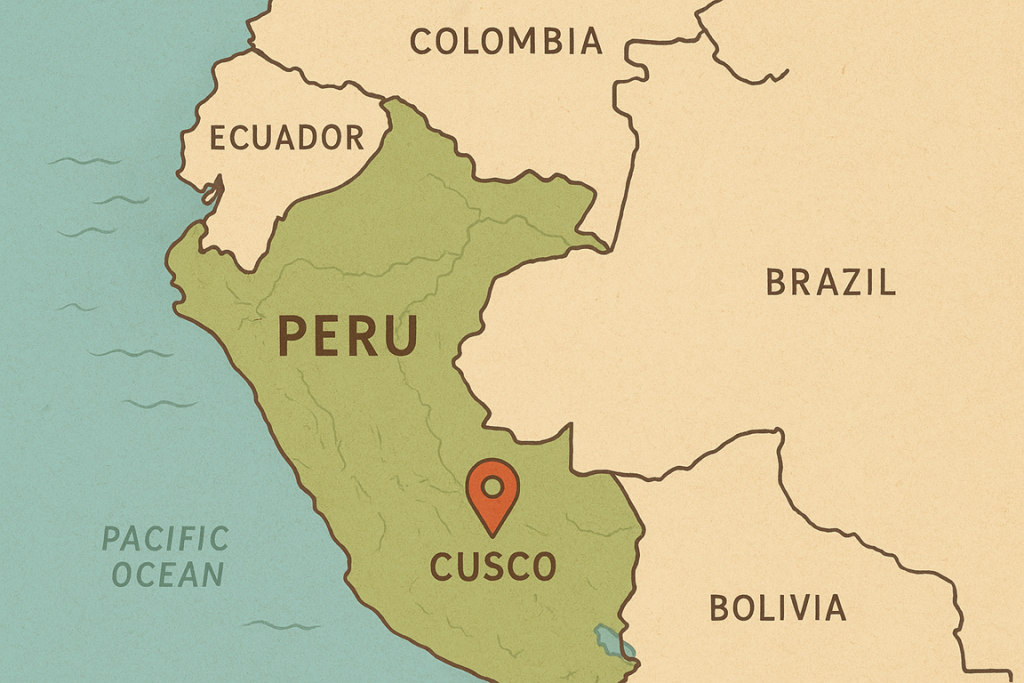
Fun Fact: Peru borders five countries yet still has a coastline of over 3,000 kilometers (1,900 miles.)
Where Cusco is Located
Cusco lies in the southeastern Andes of Peru, surrounded by mountains and high valleys that have shaped local life for centuries. The city sits at roughly three thousand four hundred meters above sea level, which gives it a cool, dry climate for much of the year and a noticeable difference in temperature between sun and shade. This elevation influences everything from walking pace and daily energy to the way many visitors feel while they adapt during their first few days.
Cusco is well connected despite its mountain setting. The airport links directly to Lima, other Peruvian regions and international airports in Bogatá and Santiago. A new airport due in 2026 promises even more international connections. The surrounding valley network makes it easy to reach nearby communities, archaeological sites, and the Sacred Valley. The central districts of the city are compact and walkable, while the hillsides around them give you views that make the geography feel very present in everyday life.
History and Living Heritage
Cusco is among the oldest continuously inhabited cities in South America, with evidence of settlement dating back to at least 1100 CE. Cusco’s history is visible everywhere you walk, but the city’s past is not something locked behind museum doors. It is part of daily life, woven into streets, festivals, food, and community traditions.
Cusco served as the capital of the Inca Empire, functioning as the political, administrative, and spiritual center of one of the most sophisticated civilizations in pre colonial America. The Inca laid out the city with remarkable engineering precision. Temples, palaces, plazas, and urban districts were constructed with stonework that still supports buildings and streets in the present day.
Colonial architecture later rose above these foundations, creating the layered cityscape that defines Cusco now. Baroque churches stand on Inca temples, Spanish plazas sit over ancient ceremonial spaces, and narrow streets follow routes established long before European contact. Rather than erasing the past, this created a city where multiple eras overlap in a way that feels alive rather than staged.
This history continues to shape the culture you encounter in the present. Quechua language remains widely spoken, local festivals combine Inca and Catholic influences, and many community customs reflect traditions passed down through families who have lived in the region for generations. Understanding this layered history helps visitors appreciate why Cusco feels different from other destinations in Peru. It is a living place where the past is not distant, and where everyday life still reflects the values, knowledge, and identity of the Andes.

Fun Fact – Quechua, the language of the Inca, is still widely spoken in the region. The Quechua name for the city is Qosqo.
Discover more things to do in Cusco.

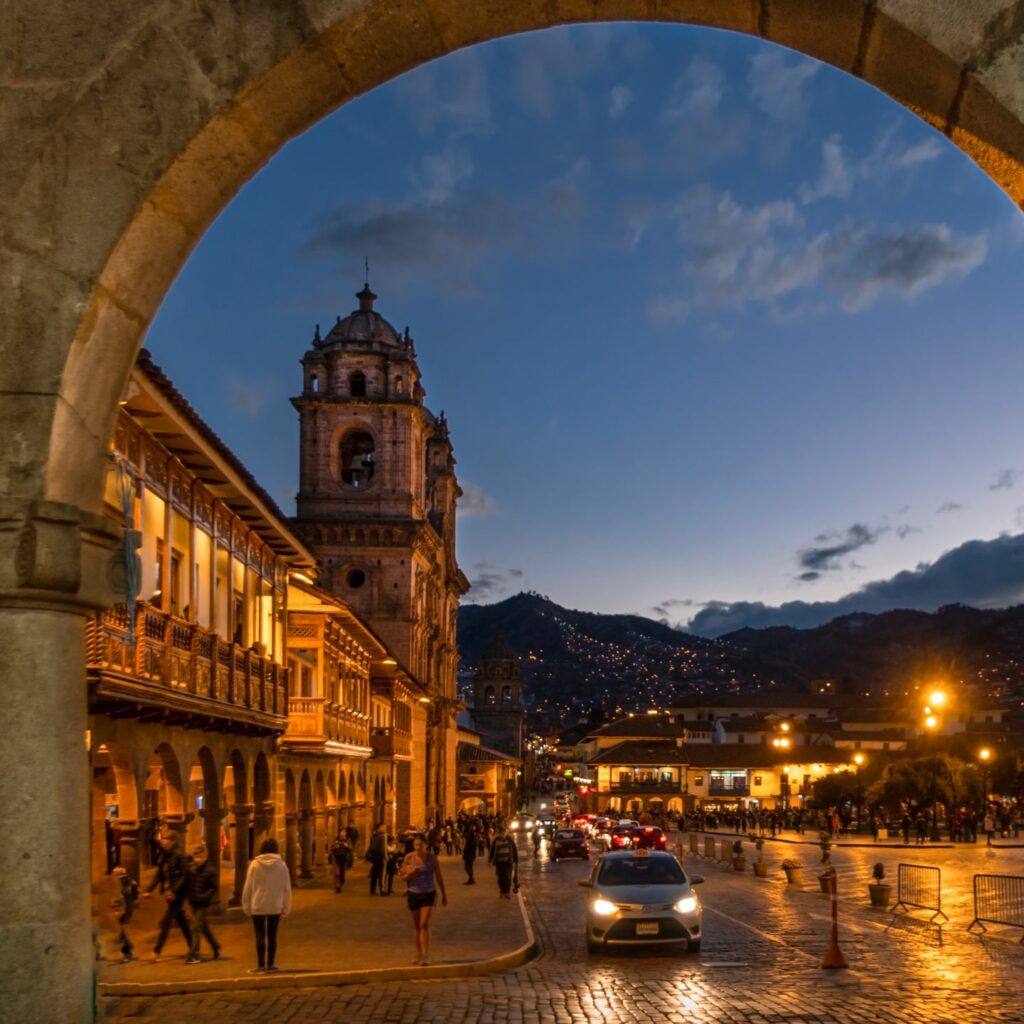
Fun Fact: Cusco has more than 300 sunny days per year thanks to its high altitude
Daily Life in Cusco
Daily life in Cusco reflects a blend of ancient tradition and modern routines, shaped by altitude, climate, and the strong cultural identity that defines the region. For many residents, mornings begin early as the sun rises over the Andes and the temperature shifts sharply from cold to mild. Markets fill with the sound of Quechua and Spanish, and stalls overflow with fresh produce brought in from the Sacred Valley and the surrounding highlands. Everyday errands and commutes are guided by a relaxed local rhythm, which contrasts with the steady movement of visitors passing through the city.
Family and community remain central to daily living. Many Cusqueños maintain strong ties to ancestral customs, from celebrations of the Andean agricultural calendar to the continued use of traditional clothing such as polleras and finely woven mantas. These traditions exist alongside modern city life. Universities, cafes, and coworking spaces are common throughout the historic center and the surrounding neighborhoods, and internet access has grown more reliable in recent years.
Tourism shapes certain parts of the city, particularly areas around the Plaza de Armas and San Blas. Despite this, Cusco remains a lived-in home for hundreds of thousands of people whose routines unfold far from the main tourist circuits. Local eateries prepare hearty dishes suited to the high altitude, busy bus routes link every corner of the city, and public parks provide quiet spaces for relaxation in the afternoons. The result is a city where the past is visible everywhere, yet daily life continues with a sense of continuity and resilience that feels distinctly contemporary.
Cultural Etiquette and Communication
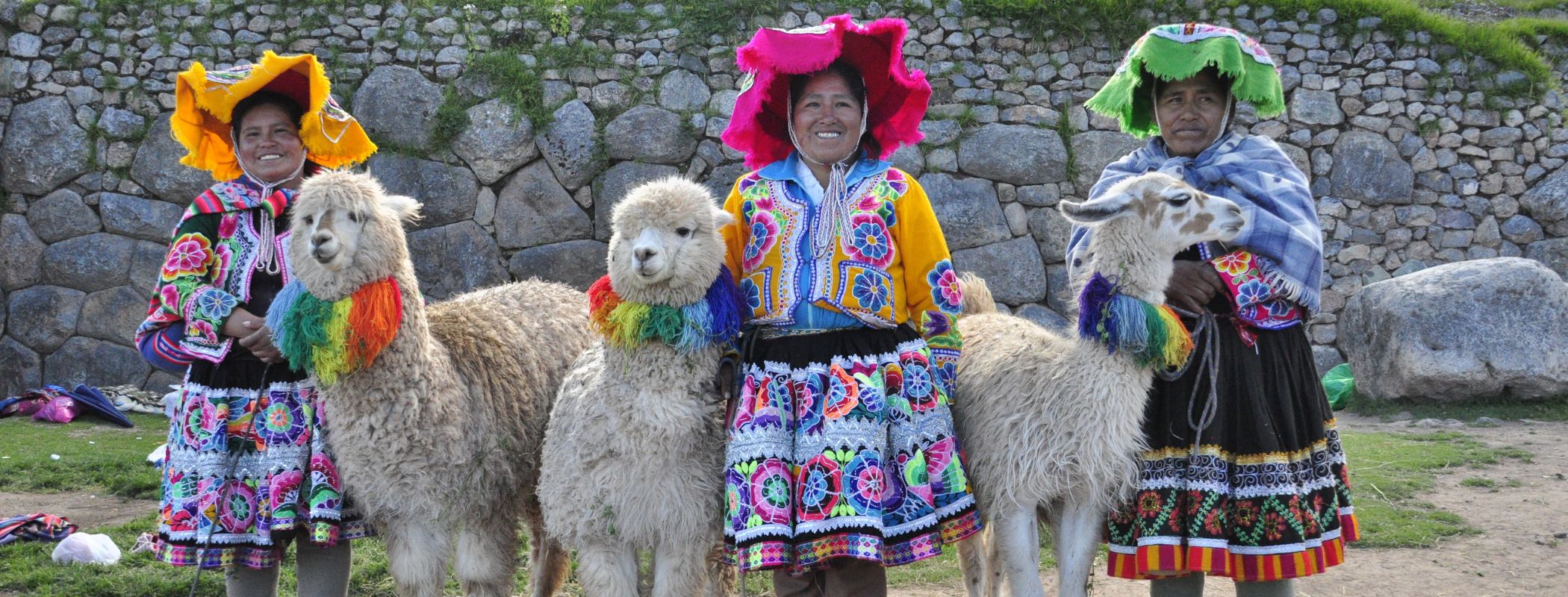
Fun Fact – Quechua has no direct word for goodbye, people instead use phrases similar to hasta luego reflecting a hope that paths will cross again
Understanding cultural etiquette in Cusco helps visitors navigate daily interactions with confidence and respect. The city’s traditions are shaped by a strong Indigenous heritage, Catholic influence, and a steady flow of people from across the Andes. This creates a unique social environment where warmth, politeness, and community values guide most interactions.
Greetings tend to be friendly but modest. A simple handshake is common when meeting someone for the first time, while friends and acquaintances might greet each other with a single kiss on the cheek. People often take a moment to exchange brief pleasantries before beginning any practical conversation. This reflects a broader cultural emphasis on maintaining harmonious relationships. In many settings, especially outside tourist areas, using formal titles and respectful phrasing is appreciated.
Communication styles vary between Spanish speaking urban residents and more traditional Quechua speaking communities. Spanish interactions may feel relatively direct, although still polite, while Quechua influenced communication can be more reserved. Silence is not viewed negatively. People may take time to consider their responses, and questions can be answered in a way that avoids conflict or discomfort. Visitors should not interpret this as disinterest. It is simply a different social rhythm.
Personal space also follows different norms. Crowded markets, buses, and festivals bring people quite close to one another, yet interactions remain courteous. Photography requires particular caution. Always ask before taking photos of individuals in traditional dress, leadin alpacas or llamas or in rural areas in general, since many people dislike being photographed without consent and others may expect payment which should be negotiated beforehand.
Punctuality is flexible in everyday life. Events, meetings, and community gatherings often begin later than scheduled. However, professional environments such as schools, clinics, and volunteer organisations expect participants to be on time. Visitors and interns should match the expectations of the setting they are in rather than assuming a single rule applies everywhere. Visitors should never highlight lateness of local people directly to avoid offence.
Overall, cultural etiquette in Cusco encourages patience, politeness, and an awareness of local customs. A few thoughtful adjustments help visitors engage more comfortably with the people who call this historic region home.
Food and Culture in Cusco
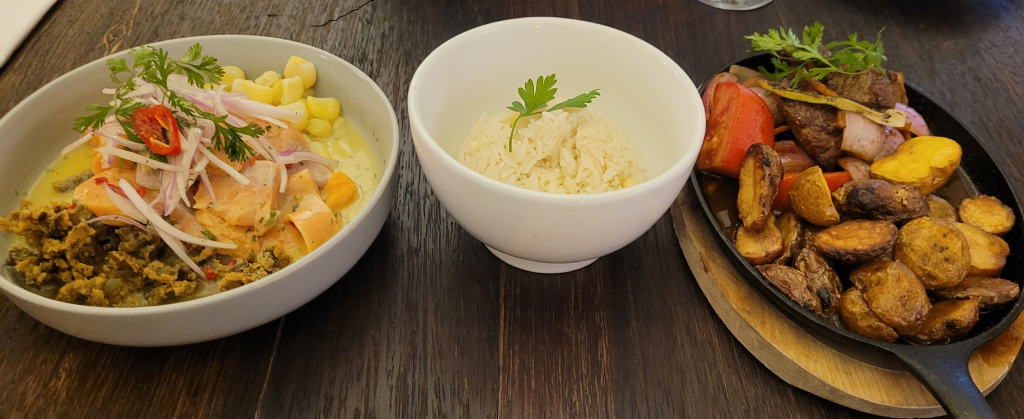
Fun Fact – Peru is home to more than three thousand varieties of potato, many of which are still grown in the highlands around Cusco. Farmers have cultivated these potatoes for thousands of years, and many traditional dishes use types that are not found anywhere else in the world.
Peru is recognized worldwide for its cuisine, and Cusco is one of the best places to experience it. The city brings together Indigenous Andean traditions, regional ingredients, and modern culinary creativity. Eating well is easy here, since high quality food is available at every price point, from market stalls to award winning restaurants.
Everyday eating in Cusco
Visitors are often surprised by how good the everyday food is. The menú del día found in many restaurants offers a full, home cooked meal at a very low cost and is one of the most common ways locals eat. These menus are available throughout the city and usually include a soup or starter, a main dish, and a drink.
Markets such as San Pedro and Wanchaq are full of fresh produce and prepared foods. Vendors sell fruit juices, hot soups, pastries, and vegetarian dishes made with local ingredients. Shopping at the markets is also an insight into daily life in Cusco, since many families shop there several times a week.
Mealtimes with local families or at homestays can be an important cultural experience. Meals are usually prepared with ingredients bought that day. Hosts often serve large portions as a gesture of hospitality.
Dishes you should not miss
Peruvian cuisine is known for its balance of flavour, colour, and variety. In Cusco you will see traditional Andean dishes alongside national favourites.
Common dishes include:
Aji de gallina which is creamy, comforting, and mildly spicy.
Lomo saltado which combines stir fried beef with onions, tomatoes, rice, and fries.
Trucha which is freshwater trout from the Sacred Valley. Popular in unmissable local ceviche or fried and served with corn.
Rocoto relleno which is a spicy stuffed pepper often served with potatoes.
- Cuy which is Guinea Pig, a local delicay served in a variety of forms.
Food aimed at visitors is also widely available. Vegetarian and vegan restaurants are particularly common since Cusco attracts many travellers with wellness and outdoor interests. International restaurants, cafes, and bakeries offer plenty of choice for anyone wanting familiar options.
Drinks
Mate de coca, a tea made from coca leaves, is a part of daily life in the Andes and is often offered to guests as an aid to altitude adjustment. Chicha morada, made from purple corn, is one of the most popular non alcoholic drinks. Beer is widely available, with Cusqueña being the local favourite. Pisco based cocktails can be found in most bars and restaurants.
Festivals, food, and tradition
Cusco has a rich cultural calendar with celebrations that frequently include traditional foods and street stalls. Many festivals combine music, dance, and community gatherings with dishes that are only prepared during specific holidays.
Notable events include:
Inti Raymi in June, which brings traditional performances and regional food vendors to the city
Corpus Christi, when communities carry religious statues to the Plaza de Armas and share festive dishes
Santurantikuy in December, a large artisan market where food stalls stay open throughout the day
Festivals offer one of the easiest ways to experience culture through taste, since both local residents and visitors gather in the streets to celebrate.
Safety and Practical Advice
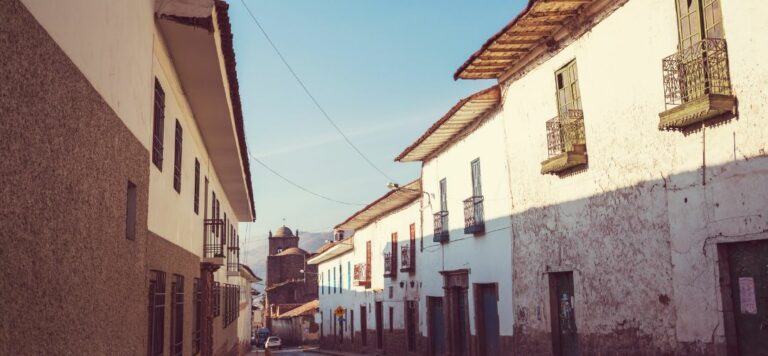
Fun Fact: Despite its altitude and rugged layout, central Cusco remains one of the most walkable historic cities in South America
Cusco is generally a safe city for visitors, and most people experience no issues during their time here. The local population is welcoming, and the historic center is well patrolled. As in any major tourism destination, a few simple precautions help ensure a smooth and comfortable visit.
Petty theft can occur in crowded spaces such as busy streets, large markets, and public transport. Keeping belongings secure and being aware of your surroundings is usually enough to avoid problems. Visitors should use official taxis or reputable ride services rather than accepting informal offers. This is particularly important at night or when traveling between neighbourhoods that are unfamiliar. Using local bus services is also safe and easy.
A small number of scams target tourists, although they tend to be easy to recognise once you know what to expect. Overcharging for services, switching currency notes, or offering unregistered tours are the most common examples. Choosing established providers, agreeing on prices in advance, and avoiding high pressure sales makes these situations very unlikely. Most interactions with local businesses are honest and straightforward.
Practical habits also make daily life easier. Carry small change for transport and markets, store important documents securely, and check the opening hours of attractions since they can vary throughout the year. If assistance is ever needed, most residents are quick to help and will often go out of their way to offer directions or advice.
Health and Altitude Adjustment
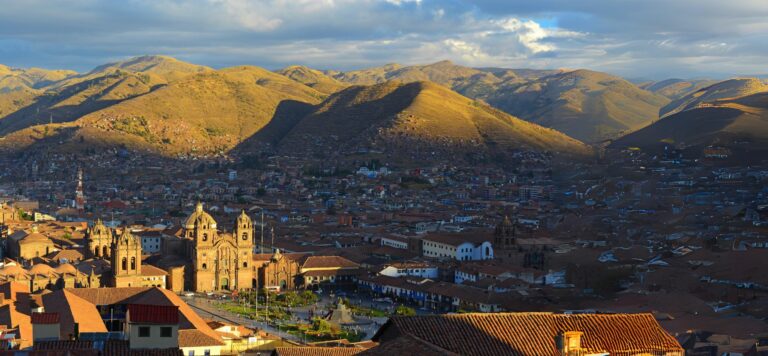
Fun Fact – Your body produces more red blood cells while in Cusco to help adapt to the thinner air
Cusco sits at roughly 3,400 meters above sea level, which means altitude is often the first challenge visitors face. Even healthy travelers can experience symptoms such as headaches, fatigue, dizziness, or shortness of breath as the body adapts to the thinner air. Most people adjust within a couple of days, and understanding how to support that process can make the transition far smoother.
Give yourself time to acclimatize by taking the first day gently, staying hydrated, and avoiding heavy meals or alcohol until you feel settled. Many locals recommend coca tea, which can ease mild discomfort and is widely available in hotels, cafes, and homes. Over the counter medication for altitude symptoms is easy to find in local pharmacies, and pharmacies are generally reliable and well stocked. If symptoms become severe or include chest pain, confusion, or extreme difficulty breathing, seek medical help promptly, since private clinics in Cusco are accustomed to treating altitude related issues.
Altitude can affect physical activity more than expected, so plan hikes, tours, and long days of sightseeing after your body has adjusted. Even walking uphill can feel demanding during the first forty eight hours. With patience and a bit of preparation, most visitors find that they can enjoy Cusco’s sights, markets, and highland landscapes in comfort once the initial adjustment period has passed.
Step into a world of opportunities in Cusco with Proyecto Peru
Grow, learn, and contribute to our community's success