Education, Youth & Development Volunteering in Peru
Education, youth, and development volunteering in Peru offers meaningful opportunities to support children and young people through learning, mentorship, and structured community activities. These projects focus on supporting local initiatives that promote education, personal development, and positive social outcomes.
Our education and youth volunteering program includes several community-based projects working with children and young people in and around Cusco. While each project differs in structure and setting, all share a commitment to ethical volunteering, child safeguarding, and long-term community benefit.
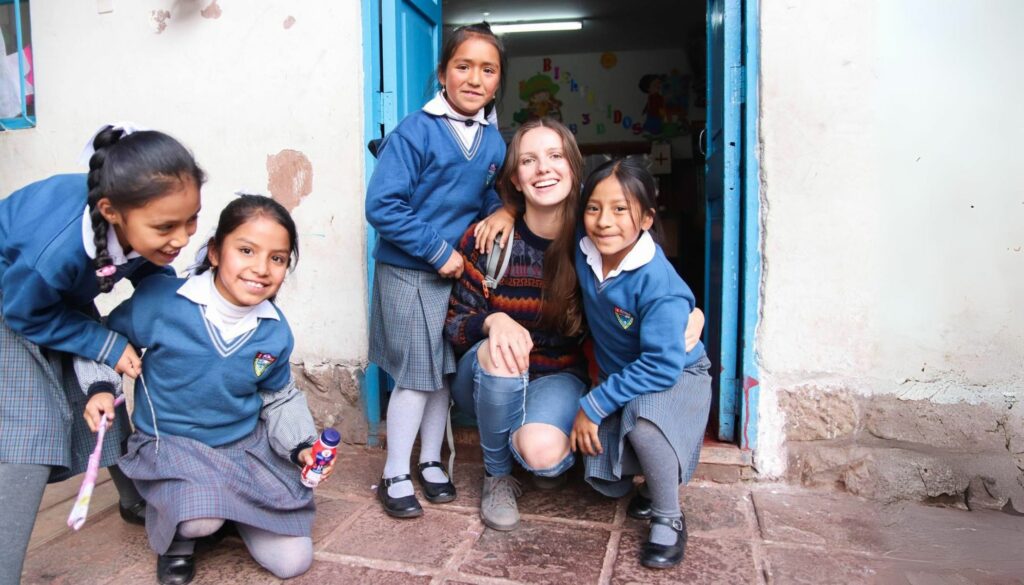
I had a great experience learning Spanish and helping with children in a kindergarten. My Spanish teacher was great, very patient and helped me with my specific terms. Everybody was very friendly and welcoming. Thank you very much for this great experience.
Angela, Germany
Overview of Education, Youth & Development Volunteering
Education, youth, and development volunteering projects vary significantly in structure, setting, and level of formality. Some placements are based in schools with fixed schedules and established curricula, while others take place in community spaces through informal learning, youth activities, or supervised childcare programs. Volunteers should expect different levels of structure depending on the project they join.
Across all education and youth placements, volunteer roles are supportive rather than leading. Volunteers assist qualified teachers, youth workers, or program coordinators by helping manage activities, supporting small groups, and contributing to a positive learning environment. Responsibility for instruction, discipline, and safeguarding always remains with local staff.
These projects are designed to strengthen existing initiatives rather than introduce reliance on outside support. Volunteer involvement is shaped by local needs, available resources, and safeguarding requirements. As a result, flexibility, reliability, and respect for professional boundaries are essential across all education, youth, and development placements.
Projects
After School Club
Project description
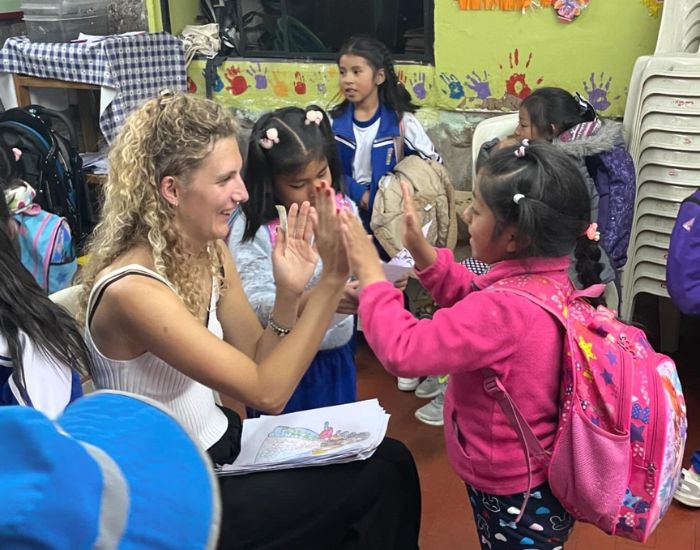
In Cusco there are several after school programs. Proyecto Peru primarily works with the after school programs where the help is most needed. In these programs you will work with children from disadvantaged backgrounds who may lack access to parental support, educational opportunities or adequate nutrition.
You will primarily work with children between 6 and 12 years old. You may also work with younger or older kids as well. You will get the opportunity to build connections with the children and teach them something valuable. Activities include homework support, pastoral care, arts and crafts, sports and games and much more.
Providing a cooked lunch or dinner for the kids is often an essential part in these after school programs, and volunteers take part in preparing and serving this meal.
Project Profile
- Minimum stay: 3 weeks
- Working hours: Monday to Friday from 2pm until 6pm/7pm
- Spanish: Basic/Intermediate
- Donation: $60 once
Tasks
- Supervise the children
- Take care of children and give them attention
- Help children with their homework
- Teach English (optional)
- Help in cooking and cleaning
- Play with the children, from drawing to playing sports outside
Good to know
You can propose activities and/or English classes for the children. It is completely up to you what you want to teach! If you would like to organize workshops this can be done at 4 PM, after most children are done with their homework, or after their snack (5:30/6 PM).
There isn’t any fixed structure for volunteering activities. It’s a family atmosphere where you can propose new ideas
Kindergarten

Project description
At the Kindergarten project you will help a teacher take care of 20 to 30 children between the ages of 3 and 5. Most of the children will come from challenging backgrounds. The kindergarten aims to offer them a safe environment where they can play games, do homework, and learn new things. The project can be quite chaotic but very rewarding.
Dependent on your personal preferences, you can teach the children English, sports, or another subject of interest. It is highly encouraged (and appreciated) to take initiative and make suggestions.
Project Profile
- Minimum stay: 3 weeks
- Working hours: Monday to Friday from 9am until 13:00am
- Spanish: Basic/Intermediate
- Donation: $60 once
Tasks
- Supervise the children
- Play games with the children
- Help and support children with their homework
- Organize and support daily activities
- Prepare food
- Teach English (optional)
Good to know
Summer holidays are from mid-December until the end of March. Winter holidays are during the last week of July and first week of August. There also one week breaks in May and October.
Public School (English or Sports)
Project Description
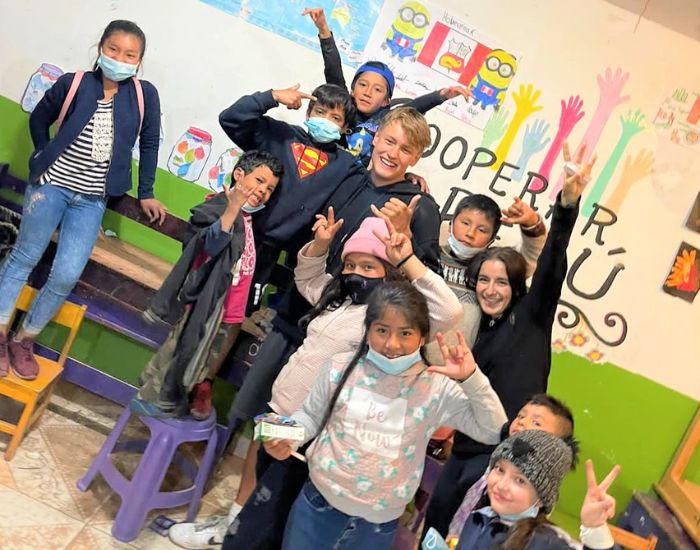
At this project you will fulfill the role of teacher (assistant) in a local high school/secondary or primary/elementary school (students aged 7-17). You will shadow and observe your teacher, supervise the class, help the children in doing their homework, and most important: support in teaching. Your support could include teaching English, another language, mathematics or sports. This depends on your personal preference and where the support is needed most.
Project Profile
- Minimum stay: 3 weeks
- Working hours: Monday to Friday from 8am- 1pm or 1pm - 6pm
- English: Fluent
- Spanish: Basic/Intermediate
- Donation: $60 once
Tasks
- Supervise the class
- Shadow and observe teacher(s)
- Help and support children with their homework
- Support in teaching (English): Explain grammar, help them in pronunciation, design and implement activities/assignments
- Support in teaching (sports): Explain the theoretical part of the sport, give instructions, support them in doing sports and prepare classes
Good to know
Experience in a classroom setting will give you more freedom to do activities. Schools are closed during summer vacation between mid December and the beginning of March as well as at other times of the year.