Learn Quechua

Learn Quechua in Cusco or Online
Quechua is one of Peru’s official languages and remains an important part of daily life across the Andes. Almost 10 million speak the language across the region, with the Cusco dialect being the most widely used. Learning Quechua offers a deeper understanding of Andean culture, strengthens connections with local communities, and enhances experiences in Cusco and the surrounding region. At Proyecto Peru Centre, our Quechua courses are designed to develop practical communication skills while introducing the cultural context that shapes how the language is used today.
Why Learn Quechua
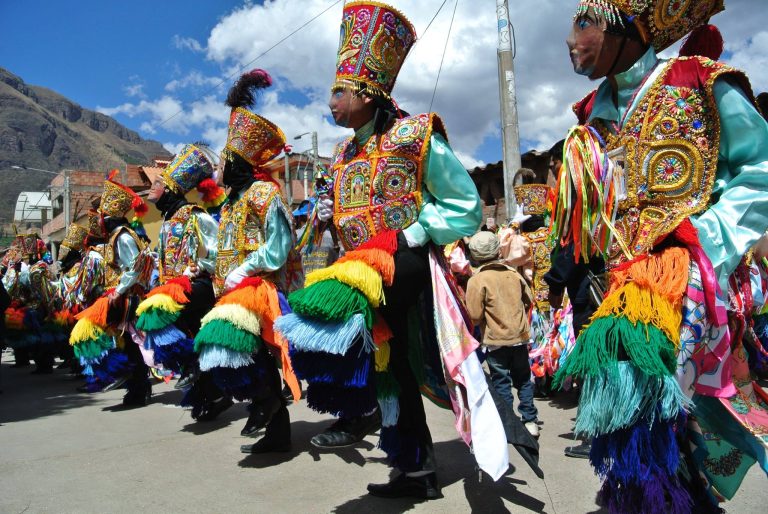
Quechua is more than a historical language. It is a living means of communication for millions of people across Peru and the wider Andean region. Learning Quechua allows learners to engage more meaningfully with local communities, gain insight into Andean worldviews, and experience Peru beyond surface level tourism.
Connect with local communities
In Cusco and throughout the Sacred Valley, Quechua continues to be spoken at home, in markets, and during community events. Even a basic knowledge of Quechua can change how people interact with you, creating more respectful and personal exchanges and showing genuine interest in local culture.
Gain cultural understanding
Language and culture are closely connected. Learning Quechua offers insight into Andean traditions, values, and ways of thinking that are not easily translated into Spanish or English. Many expressions reflect relationships with nature, community, and history that remain central to Andean life today.
Enhance travel and long-term stays
For travellers, volunteers, and long-term visitors, learning Quechua adds depth to everyday experiences. It can make travel in rural areas easier, support community based work, and help build trust in settings where Spanish is not always the first language.
Support academic and professional work
Quechua is relevant for students and professionals working in fields such as anthropology, linguistics, education, public health, and development studies. Learning the language can support research, fieldwork, and professional engagement in Andean regions.
Contribute to language preservation
By choosing to learn Quechua, students help support the continued use and visibility of an Indigenous language that has been spoken in the Andes for centuries. Learning Quechua contributes to respect, recognition, and cultural continuity.
Quechua Course Overview and Language Requirements
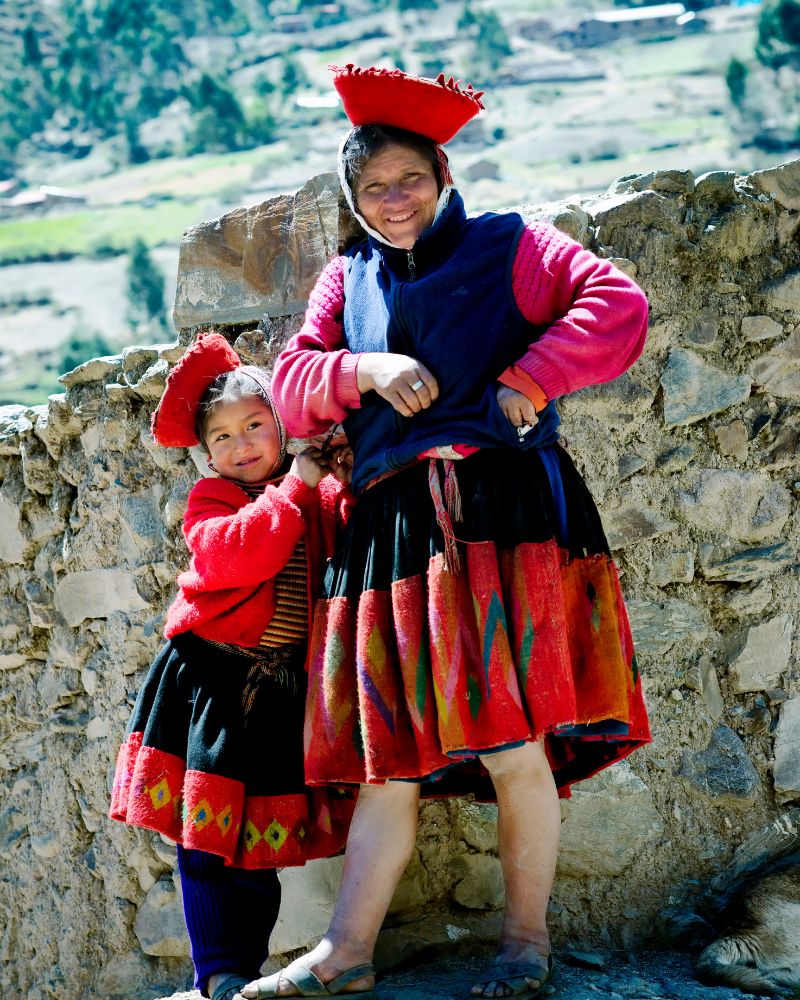
Our Quechua courses are taught by native Quechua speakers with experience teaching both local and international students. Lessons focus on practical communication while introducing the cultural context that shapes how Quechua is spoken in daily life in the Andes.
Classes are delivered in Spanish, which allows teachers to explain grammar, pronunciation, and cultural concepts clearly and accurately. For this reason, students are required to have at least an intermediate level of Spanish before beginning a Quechua course. This ensures that lessons move at an effective pace and that students can fully engage with explanations and discussion.
If you do not yet feel confident studying in Spanish, we recommend exploring our Spanish language courses before starting Quechua. A strong foundation in Spanish will make learning Quechua more accessible and rewarding. Proyecto Peru offers Spanish courses here in Cusco and online and these can be combined with Quechua classes as part of your experience.
We also offer volunteering and internship packages which can be undertaken alongside your Quechua classes and put you in daily contact with Quechua speakers.
What to Expect from a Quechua Course
Most students begin learning Quechua with no prior knowledge of the language. Our courses are designed to introduce Quechua gradually, with an emphasis on understanding how the language works rather than rushing toward fluency.
In the early stages, students focus on familiarizing themselves with Quechua sounds, basic sentence structures, and everyday expressions. Progress is steady but realistic, and lessons are paced to allow time for repetition, questions, and cultural explanation.
Rather than promising rapid conversational ability, our approach prioritises clarity, accuracy, and cultural understanding. Students gain a foundation that allows them to recognize spoken Quechua, use simple expressions appropriately, and continue learning with confidence if they choose to study further.
The exact progress a student makes will depend on factors such as course length, prior language experience, and time spent practicing outside of class.
For students with a specific academic or professional interest in Quechua, more focused and advanced classes can be arranged. These courses are suited to learners studying linguistics, anthropology, history, or related fields, and can place greater emphasis on grammar, textual analysis, dialect variation, or research related language use. Advanced courses are typically tailored to individual goals and prior experience, and are best discussed with our academic team in advance.
Quechua Course Options
Immersion In Cusco
Private lessons in-person at our language school located in the center of Cusco. All materials are included. Some classes make take place outside the classroom. Free social and cultural activities are included.
- 15 hrs (3hrs/day)
- 150 USD
Online Lessons
One-to-one classes with our native speaking teachers from the comfort of your own home. Classes are held through Zoom.
- 10 Hours
- 95 USD
- 20 Hours
- 180 USD
- 30 Hours
- 255 USD
Immersion students can also reserve homestay or volunteer house accommodation with Proyecto Peru. You can also add volunteering with local community organiztions or internships.