One of the most common questions people ask while looking at booking a Spanish course abroad is simple:
How long will it actually take me to learn Spanish?
The honest answer is that it depends on a lot of factors which differ from learner to learner, including your starting level, how long you stay, and how much you use the language outside the classroom. However, one thing is consistently true:
Learning Spanish in an authentic immersion environment is significantly faster than studying it at home.
In this guide, we take a look at realistic timelines, explain what “immersion” really means in practice, and show how different learning formats affect your progress.
What Do We Mean by “Spanish Immersion”?
Before talking about timelines, it’s important to define what immersion actually involves.
A true immersion experience is not just attending Spanish classes. It means living your daily life in Spanish as much as possible.
A typical immersion program in Cusco with Proyecto Peru includes:
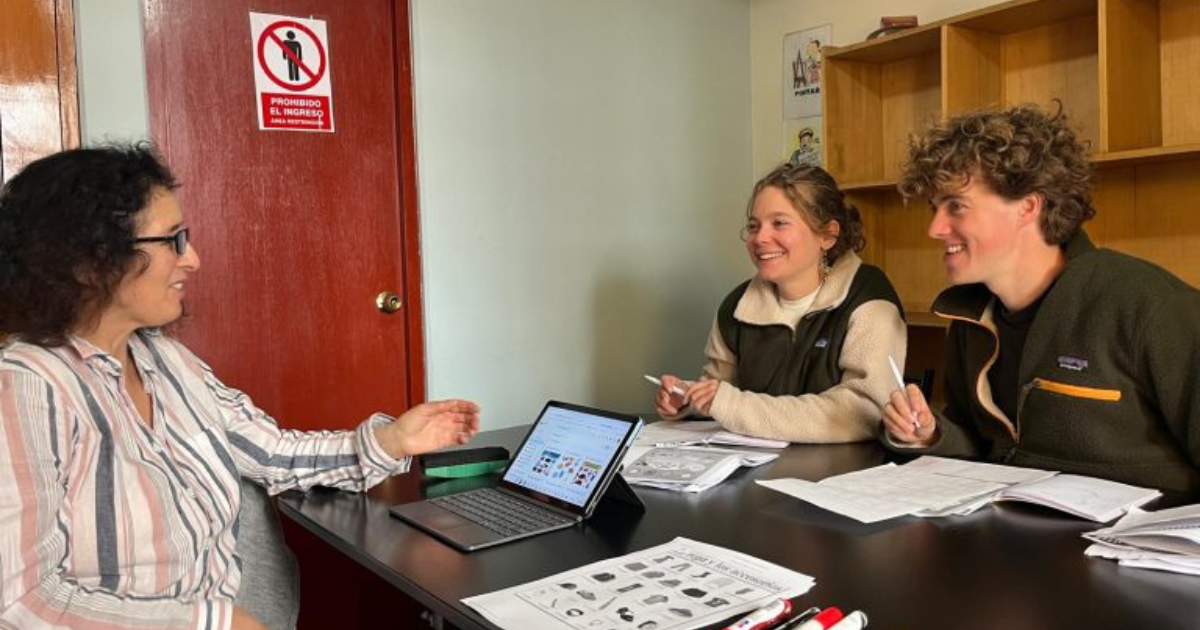
- Around 20 hours per week of structured Spanish classes in small groups (maximum 5 students)
- Living with a local host family, sharing meals and communicating in Spanish daily in genuine scenarios
- Participating in cultural and social activities during the week
- Opportunities for real-world interaction such as:
- Monthly language exchange events with our local English school
- Optional volunteering or internships in local organizations
This combination is what accelerates learning. You are not only studying the language, you are using it constantly in real situations.
Why Immersion Speeds Up Language Learning
To understand how long it takes, you need to understand why immersion is different.
When studying Spanish at home, most learners:
- attend a few hours of class per week
- rely heavily on English outside of lessons
- have limited real conversation practice
In contrast, immersion creates:
1. Constant exposure
You hear Spanish everywhere: in your home, on the street, in shops, and in social settings.
2. Immediate application
You are forced to use what you learn right away, even at a basic level.
3. Faster confidence building
Daily interactions reduce hesitation and improve fluency much faster than classroom-only learning.
4. Cultural context
Understanding how people actually speak, including informal language, makes communication more natural.
This is why two learners studying the same number of hours can progress at very different speeds depending on their environment.
How Long Does It Take? Realistic Timelines
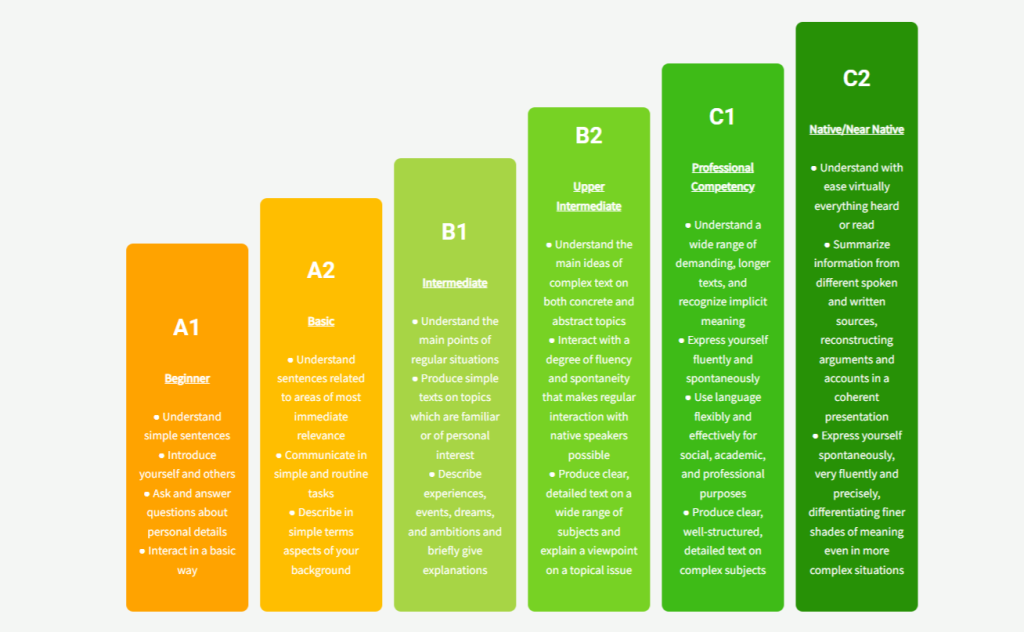
There is no single answer, but we can look at general expectations based on the CEFR framework (A1 to C2), combined with immersion conditions.
Complete Beginner (A0 → A1/A2)
If you start with no Spanish at all:
- 1–2 weeks
You will learn basic phrases, greetings, and survival Spanish. You can handle simple interactions but will rely heavily on memorized expressions. This is still very valuable for travelling in Spanish speaking countries. - 3–4 weeks
You begin forming simple sentences and can manage basic conversations in predictable situations such as ordering food or asking for directions.
Immersion is especially powerful at this stage because it forces you to use Spanish immediately, even when your level is very low. Some students advance even more rapidly, particularly if they have a good understanding of how grammar functions in their own language or speak other romance languages such as French, Italian or Portuguese.
Elementary to Intermediate (A2 → B1)
At this stage, progress becomes more noticeable in everyday communication.
- 4–8 weeks
You can handle most day-to-day situations, have simple conversations, and understand slower spoken Spanish. - You start thinking less in English and more directly in Spanish
If you combine classes with activities such as volunteering or regular social interaction, your speaking confidence can improve significantly during this phase.
Intermediate to Upper Intermediate (B1 → B2)
This is where immersion has one of the biggest advantages.
- 8–12+ weeks
You become comfortable holding conversations on a wide range of topics
You understand native speakers more easily, even at normal speed
You can express opinions and tell stories with fewer pauses
Reaching B2 is often considered “conversational fluency”, where you can function independently in Spanish-speaking environments. Many learners find this jump challenging without at least some form of immersion.
Advanced Levels (B2 → C1+)
At higher levels, progress slows down regardless of method.
- You refine grammar, expand vocabulary, and improve accuracy
- You develop more natural expression and cultural understanding
Immersion is considered necessary by many at this stage, but improvement becomes more gradual and requires consistent effort.
Key Factors That Affect How Fast You Learn
Not all students progress at the same rate, even in the same program. While many people focus on how long it takes to reach a specific level, other factors often have just as much, if not more, impact than the number of weeks spent studying. These are the main variables:
1. Your Starting Level
Beginners often feel rapid progress early on because everything is new.
More advanced learners improve in more subtle ways, such as fluency, accuracy, and comprehension.
2. Length of Stay
This is one of the biggest factors.
- 1–2 weeks
Good introduction, noticeable improvement, but limited long-term impact - 3–4 weeks
Strong progress and growing confidence - 2–3 months
Significant transformation in ability and independence
Short stays can be valuable, but longer immersion leads to much deeper results.
3. Intensity of Study
In Cusco, a typical program includes:
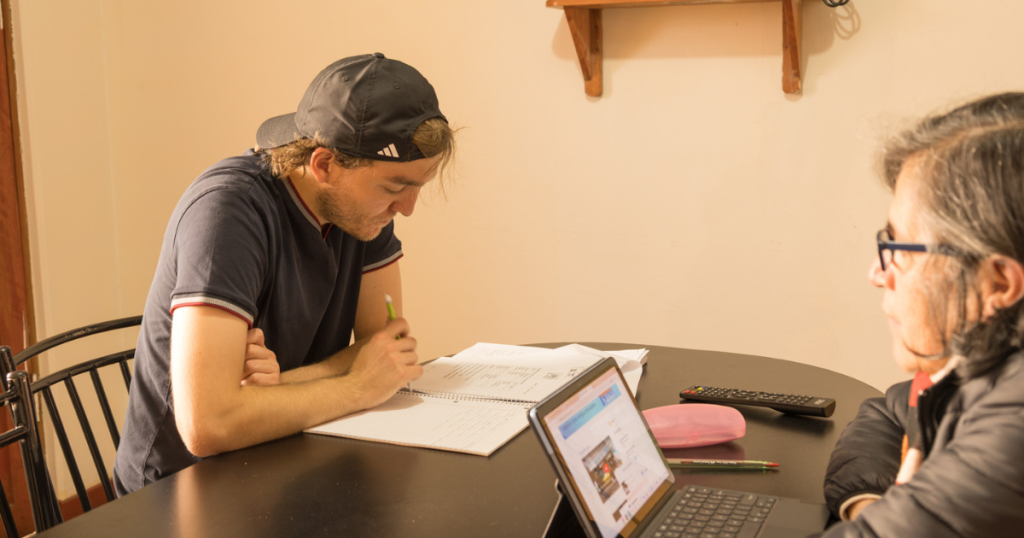
- 20 hours per week of small group classes
- Optional private lessons (5 to 30 hours per week)
Adding private classes increases:
- speaking time
- personalized feedback
- speed of progress
4. Life Outside the Classroom
This is where immersion makes the biggest difference.
Students who:
- speak Spanish with their host family
- attend social activities
- engage in language exchanges
- participate in volunteering or internships
progress significantly faster than those who stay within an “English or tourist bubble”.
5. Your Effort and Attitude
Motivation matters.
Students who:
- take risks
- make mistakes (and don’t worry about doing so)
- actively engage in conversations
progress much faster than those who rely only on classroom learning. Many learners become nervous of sounding silly or making errors, but it is important to understand that these are an inevitable part of the process, and embracing them rather than fearing them is a big part of learning.
Learning Spanish Through Volunteering or Internships
One of the most effective ways to accelerate your Spanish is to use it in a real-world setting.
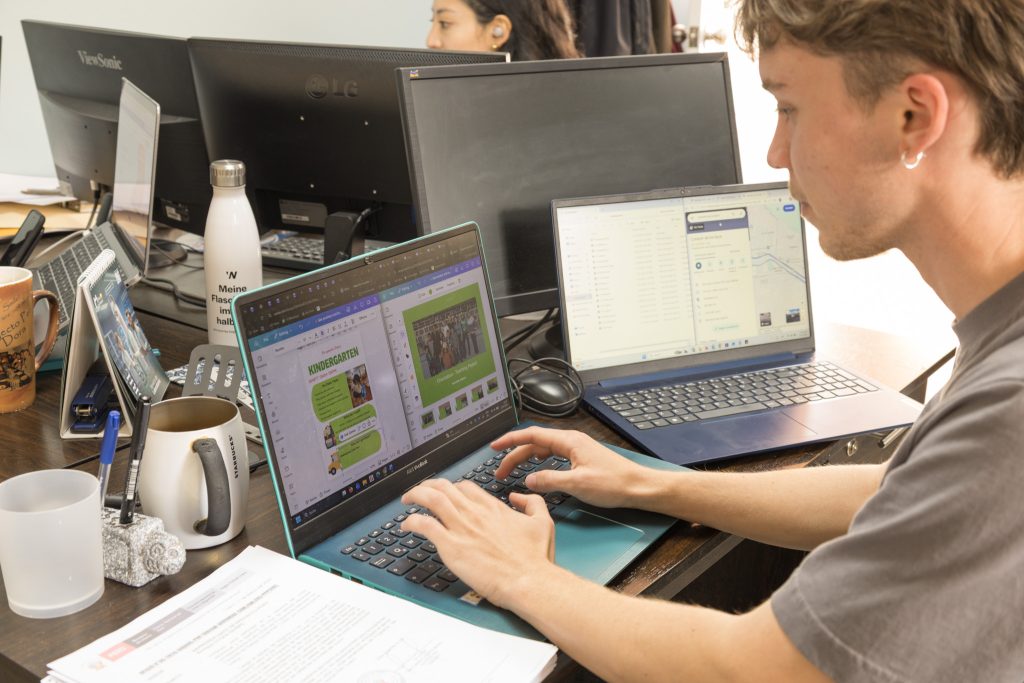
Combining classes with volunteering or an internship allows you to:
- practice Spanish in meaningful contexts
- learn vocabulary specific to your field
- build confidence through real interactions
This kind of experience often leads to faster progress than classroom study alone because it adds purpose and repetition to your learning.
Living With a Host Family: A Major Advantage
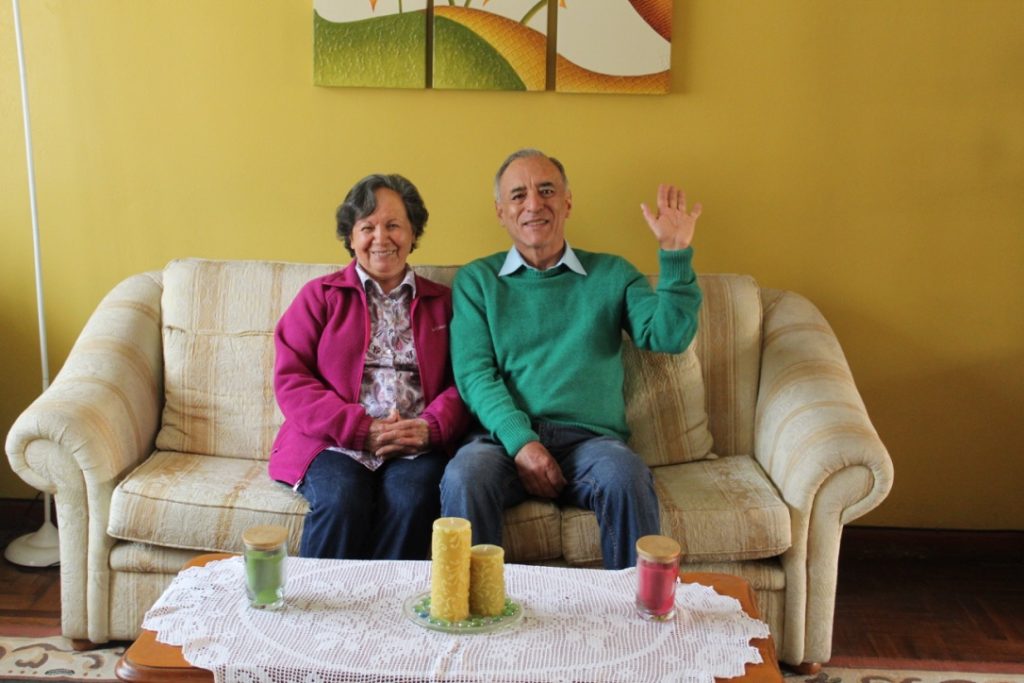
Staying with a local family is one of the most important elements of immersion.
It provides:
- daily conversation practice
- exposure to natural speech
- cultural understanding
Even simple interactions, such as meals or daily routines, reinforce what you learn in class.
Students who fully engage with their host family typically see faster improvement, especially in listening and speaking. Being surrounded by Spanish speakers all day also has a dramatic impact on pronunciation and accent acquisition.
Immersion vs Learning at Home
It is possible to learn Spanish without travelling, but the timeline is usually much longer.
Studying at home
- Slower progress due to limited exposure
- Less speaking practice
- Easier to fall back into English
Immersion abroad
- Faster improvement through constant use
- Greater confidence in real conversations
- Stronger listening skills
This does not mean other methods are ineffective. Apps, online classes, and traditional courses can all be valuable. However, immersion compresses the learning process into a shorter period by increasing both intensity and consistency. Many successful learners have combined all of these methods during their Spanish language journey.
Why Cusco Is an Ideal Place to Learn Spanish
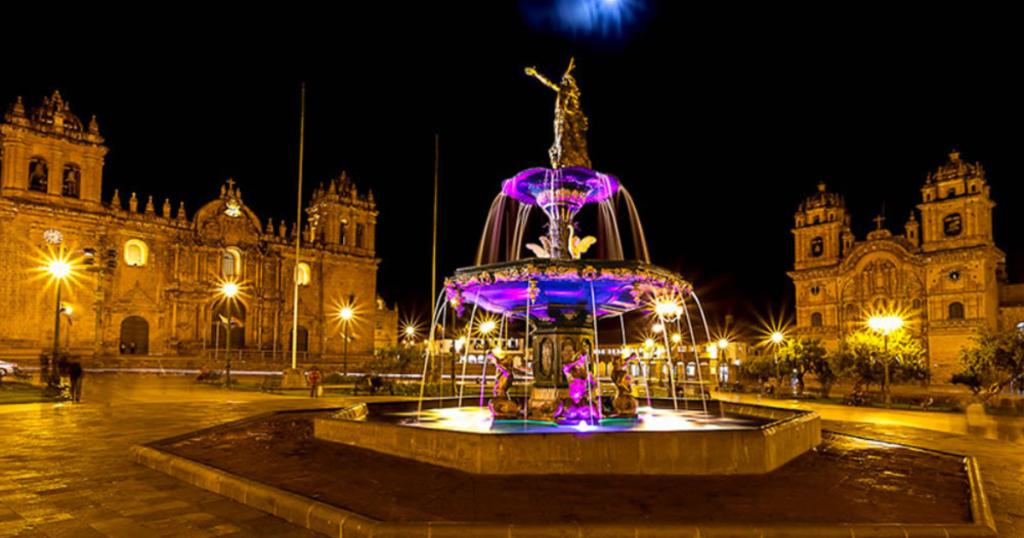
Location also plays a role in how quickly you progress.
Cusco offers several advantages:
- A relatively neutral and clear form of Spanish
- A welcoming environment for international students
- Daily opportunities to practice with locals
- A strong community of learners and volunteers
Compared to larger cities, it is easier to stay immersed and avoid reverting to English. For a broader comparison, you can also read our guide to the best cities in Latin America for learning Spanish.
How to Get the Most Out of Your Immersion Experience
To maximize your progress:
- Speak Spanish as much as possible, even when it feels uncomfortable
- Engage with your host family rather than staying isolated
- Attend social and cultural activities
- Combine classes with real-world practice if possible
- Accept mistakes as part of the process
The more you treat immersion as a full experience rather than just a course, the faster you will improve.
Final Thoughts: What Should You Expect?
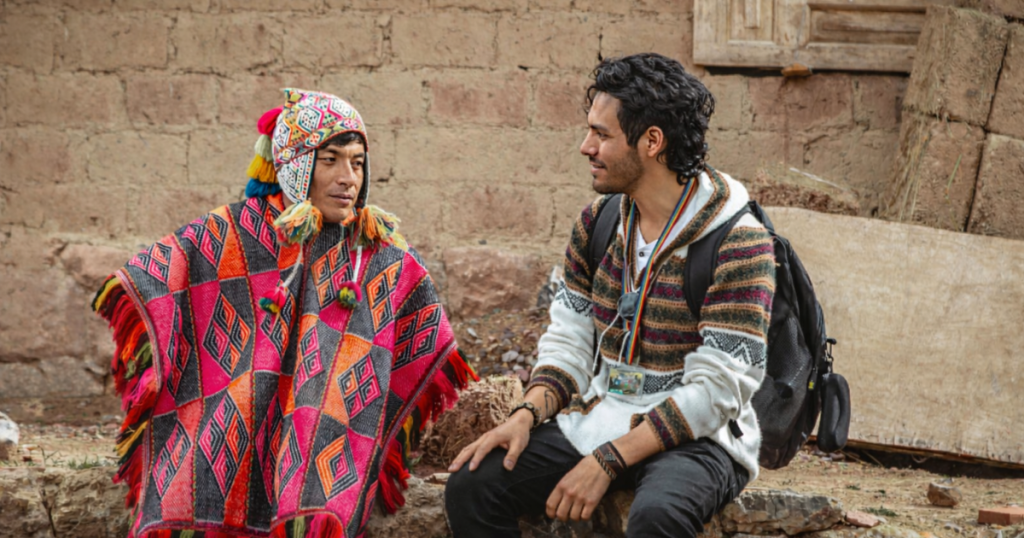
Learning Spanish takes time and effort. Very few people can pick up a language from nothing in just a few days, but immersion allows you to make real, noticeable progress in a relatively short time.
- In a few weeks, you can build a strong foundation
- In a few months, you can become conversational
- With continued immersion, you can reach a high level of fluency
The key is consistency, engagement, and making the most of the environment around you.
If you are considering studying Spanish in Cusco, understanding the time commitment helps you set realistic expectations and get the most value from your experience.
For more practical planning, you may also find it useful to read:
- our Spanish program page
- our guide to the real cost of studying in Cusco
- and our options for volunteering and internship programs
All of these factors work together to shape both your learning experience and your results.
If you would like to book a Spanish Immersion experience in Cusco with Proyecto Peru, visit our package builder or contact the team at info@proyectoperucentre.org