In the modern healthcare landscape, clinical knowledge alone is no longer enough. The ability to communicate clearly, empathetically, and directly with patients is becoming just as critical as diagnosis and treatment. For healthcare professionals across the United States, Europe, Canada, and increasingly parts of Asia, one language is emerging as especially valuable: Spanish.
From emergency rooms in California to national health clinics in London and public health programs in Toronto, Spanish is no longer a “nice-to-have” skill. It is rapidly becoming an essential tool for delivering safe, effective, and equitable care.
And for those who choose to learn it through immersion, the impact goes far beyond just vocabulary.
The Growing Importance of Spanish in Healthcare
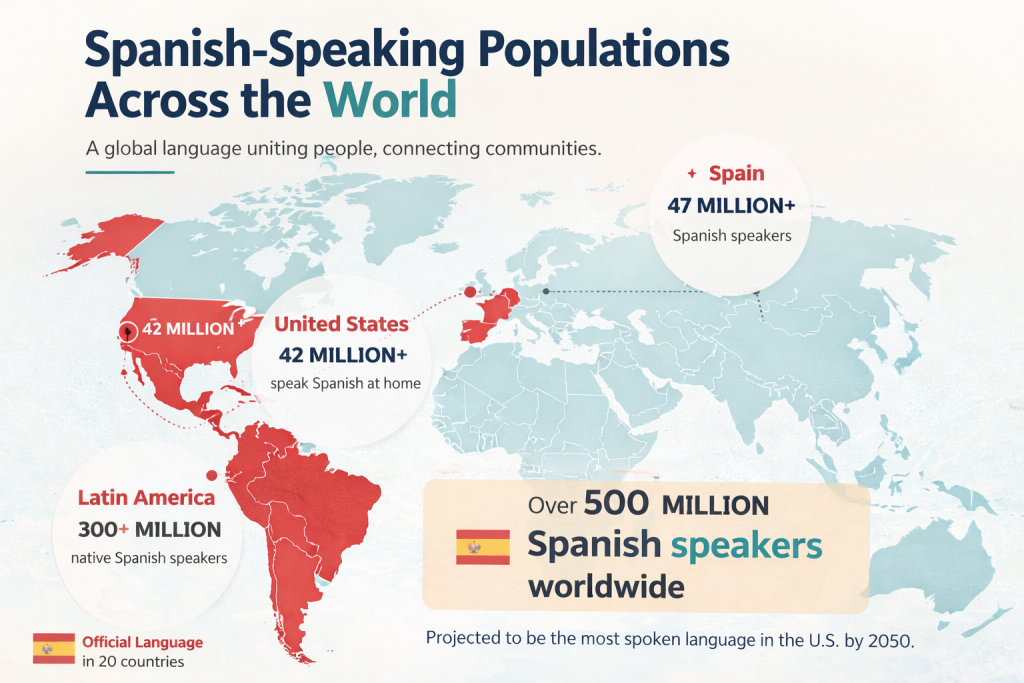
Spanish is one of the most widely spoken languages in the world, with over 500 million speakers globally. Its influence continues to expand every year, particularly in countries where healthcare ecosystems are becoming more diverse.
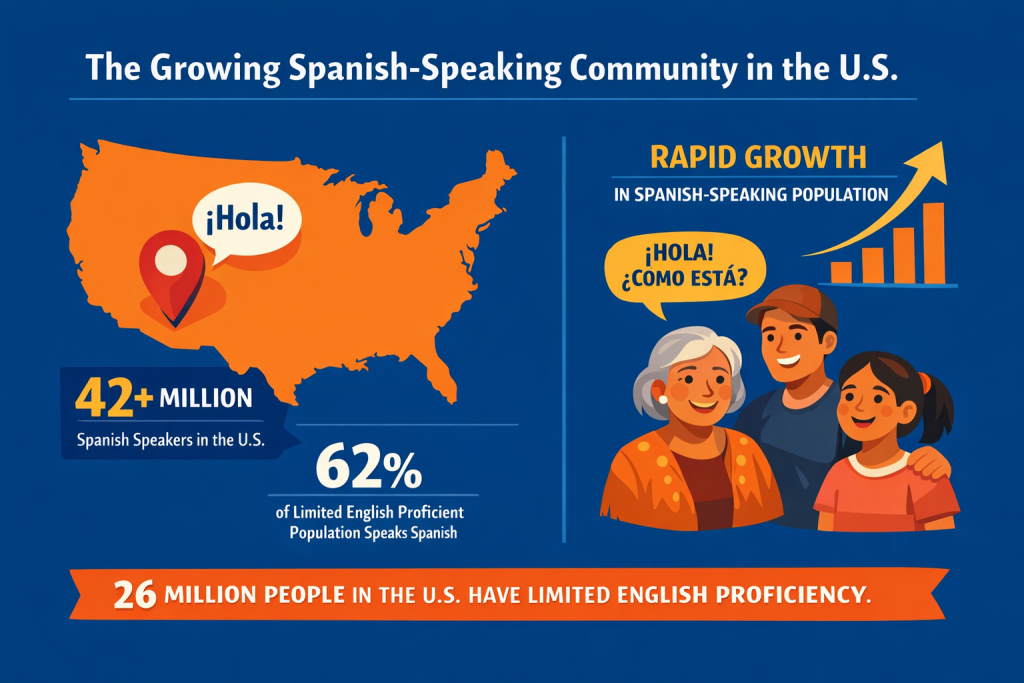
In the United States alone:
- Over 40 million people speak Spanish as a first language
- Millions more use it as their primary language at home
- A significant proportion of patients have limited English proficiency
This creates a clear challenge. Language barriers in healthcare are not just inconvenient. They directly affect patient and community outcomes.
Patients who cannot communicate effectively with healthcare providers are more likely to:
- Misunderstand diagnoses or be misdiagnosed
- Receive incorrect or delayed treatment
- Experience higher levels of anxiety and mistrust
- Avoid seeking care altogether
For healthcare professionals, this translates into increased risk, reduced efficiency, and ultimately lower quality of care.
Why Language Matters: Beyond Translation
It is easy to assume that translation tools or interpreters can bridge the language gap. In reality, they only solve part of the problem, and can sometimes create their own issues.
Healthcare is deeply human. It relies on nuance, trust, and emotional connection between providers and patients.
When a doctor, nurse or other healthcare professional speaks directly to a patient in their native language:
- Trust is established faster
- Patients share more accurate and detailed information
- Cultural context becomes clearer
- Understanding of, and compliance with, treatment improves
For vulnerable populations, this is even more important. Many Spanish-speaking patients, particularly migrants or underserved communities, may already feel hesitant or intimidated when accessing healthcare systems.
Being able to communicate in Spanish is not just about convenience. It is about dignity, respect, and equity.
Real-World Impact: What This Looks Like in Practice
Consider a typical clinical scenario.
A patient arrives with abdominal pain. They speak limited English. After a wait they communicate through an interpreter. The consultation takes longer and important details may be simplified or lost. Subtle symptoms are harder to explore.
Now compare that with a clinician who speaks Spanish.
The consultation flows naturally. The patient feels heard. Follow-up questions are easier. Diagnosis becomes more precise.
This difference is not theoretical. It happens every day in hospitals all over the world.
Healthcare professionals who speak Spanish often report:
- More efficient consultations
- Greater patient satisfaction
- Improved diagnostic confidence
- Stronger professional relationships
For students and early-career professionals, it can also be a defining advantage in an increasingly competitive job market.
Why This Matters Outside the United States
While the US is often the focus of such conversations, the importance of Spanish in healthcare is also growing globally.
Europe
Countries such as the UK and many members of the European Union are seeing increased tourism and migration from Latin America. Healthcare systems are adapting, but language gaps remain. Spanish-speaking clinicians are becoming valuable assets, particularly in urban centres.
Canada
Canada’s multicultural population includes a growing number of Spanish speakers. In community health and social care settings, bilingual professionals are in high demand.
Asia
In countries like Japan, South Korea, and especially China, international patient programs are expanding. Spanish-speaking tourists and residents represent an emerging demographic, particularly in private healthcare.
Across all these regions, the trend is clear. Healthcare is becoming more global, and communication skills must evolve alongside it.
Why Immersion Is the Most Effective Way to Learn
Many healthcare professionals attempt to learn Spanish through apps, evening classes, or self-study.
While these methods can help build basic knowledge, they rarely prepare someone for authentic clinical interaction.
Immersion is different.
When you learn Spanish in a Spanish-speaking environment:
- You use the language daily in real contexts
- You develop listening skills much faster
- You become comfortable with accents and natural speech
- You gain cultural understanding alongside language skills
For healthcare professionals, this is particularly important. Medical communication is not just technical. It is situational, emotional, and often complex.
Immersion accelerates the ability to think and respond naturally in Spanish, rather than translate mentally from English.
The Added Value of Cultural Competence
Language and culture are inseparable. Understanding how patients think about health, illness, and treatment can be just as important as understanding the words they use.
In many Spanish-speaking cultures:
- Family plays a central role in healthcare decisions
- Communication styles may be more indirect or relational
- Trust must be built before sensitive topics are discussed
Immersion programs provide exposure to these cultural dynamics in a way that no textbook or app can replicate. For healthcare professionals, this leads to more culturally competent care, which is increasingly recognized as a core clinical skill.
Why Latin American Spanish Matters
Spanish varies across regions, but Latin American Spanish is often considered the most practical for healthcare professionals.
It is:
- Widely understood across different countries
- Common among Spanish-speaking populations in the US and beyond
- The most commonly spoken version globally
- Generally clear and neutral in pronunciation (depending on the country)
Learning in a Latin American context also provides direct exposure to the types of patients many professionals will encounter in their careers.
Why Peru Is an Ideal Place to Learn
Peru offers a unique combination of linguistic clarity, cultural richness, and practical learning opportunities.
Spanish spoken in Peru is often described as neutral, relatively slow and easy to understand, making it particularly suitable for learners.
Beyond the classroom, the environment supports rapid progress:
- Daily interaction with native speakers
- Opportunities to engage with local communities
- A balance of structured learning and real-world experience
For healthcare professionals, this creates the ideal setting to develop both language skills and confidence.
Combining Spanish Learning with Medical Experience
One of the most effective ways to build relevant skills is to combine language learning with practical healthcare exposure.
Programs that integrate Spanish study with medical internships or volunteering in local hospitals or clinics allow participants to:
- Observe real healthcare settings
- Learn medical vocabulary in context
- Understand local healthcare systems
- Apply language skills in meaningful situations
This combination creates a level of learning that is both immersive and directly relevant to professional development.
A Competitive Advantage in Your Career
Healthcare is becoming an increasingly competitive job market.
Employers are looking for professionals who can:
- Work with diverse populations
- Communicate effectively across language barriers
- Demonstrate cultural awareness
Spanish proficiency is a clear differentiator.
For students, it can strengthen applications for medical school or residency programs. For professionals, it can open doors to new roles, specializations, and international opportunities.
In some cases, it can even become a defining aspect of a career.
Making a Real Difference
At its core, healthcare is about people. The ability to speak to a patient in their own language can transform their experience of care. It reduces fear, builds trust, and ensures they feel seen and understood.
For healthcare professionals, this is one of the most meaningful impacts you can have.
Learning Spanish is not just a professional decision. It is a human one.
Start Your Journey with Proyecto Peru Centre
If you are ready to take the next step, immersive programs offer a practical and impactful way to build your Spanish skills.
With Proyecto Peru Centre, healthcare professionals and students can combine:
- Spanish language immersion
- Specialized Medical Spanish courses both online and in Cusco
- Medical internships and volunteering opportunities
- Cultural immersion through local experiences
Whether you are just starting your journey or looking to enhance your existing skills, these programs are designed to help you communicate with confidence and make a real difference. Contact info@proyectopercentre.org for more information or visit our program pages.