
If you are planning to travel or volunteer in Cusco, safety is probably one of your first concerns, and it is a fair question. Cusco is one of the most visited destinations in South America, but that does not automatically mean it is risk-free.
The short answer is this: Cusco is generally safe for solo travelers and volunteers, including those with little or no experience in Latin America. However, like any popular tourist destination, it comes with specific risks that you need to understand and manage.
This guide gives you a clear, honest breakdown of what to expect, what to avoid, and how to stay safe while still enjoying everything the city has to offer.
Is Cusco Safe Overall?
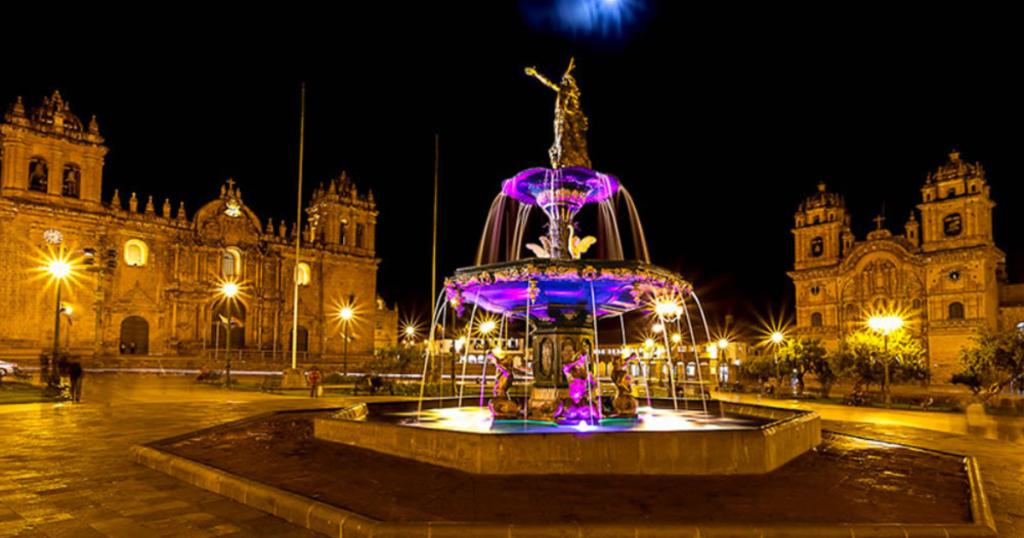
Cusco is considered one of the safer cities in both Peru and Latin America, particularly in areas where travelers and volunteers spend most of their time. Violent crime against tourists is rare, and most visits pass without any serious issues.
However, “safe” does not mean “carefree.”
The most common problems are:
- petty theft (especially pickpocketing)
- opportunistic scams
- minor safety issues at night
If you stay aware and take basic precautions, your risk remains low.
Safety for Solo Travelers in Cusco
Cusco is a very common destination for solo travelers. You will find:
- a strong backpacker and digital nomad presence
- plenty of hostels, cafés, and social spaces
- easy access to tours and group activities
This makes it relatively easy to meet people and avoid isolation.
It also benefits from:
- A Walkable historic center
- Visible tourist police presence
- Well-established tourism infrastructure
What requires caution:
- Quiet streets at night
- Overconfidence after a few days in the city
- Carrying valuables such as cellphones openly
A common pattern is that travelers feel safe quickly and then become less careful. That is when the few issues that happen mostly occur.
Safety for Volunteers in Cusco
For volunteers, safety is often even more structured.
If you are working with an established organization such as Proyecto Peru Centre, you typically benefit from:
- organized accommodation
- local support staff
- orientation and guidance
- safer neighbourhood placement
- 24/7 emergency phone number
This significantly reduces risk compared to arriving independently without local knowledge.
Volunteers also tend to:
- follow a routine
- spend time in community settings rather than nightlife-heavy environments
- build local connections more quickly
All of these factors contribute to a safer overall experience.
The Most Common Safety Risks in Cusco
Understanding the actual risks is far more useful than vague warnings.
1. Pickpocketing and Petty Theft
This is the most common issue in Cusco.
Typical situations:
- crowded markets
- busy plazas like Plaza de Armas
- public transport such as local buses
- nightlife areas
What gets targeted:
- phones in back pockets
- loosely carried bags
- unattended belongings in cafés
How to reduce risk:
- keep valuables in zipped pockets or a crossbody bag
- avoid using your phone in crowded areas
- never leave items unattended, even briefly
- holding your bag in front of you on the bus
2. Taxi Scams and Transport Issues
Taxis in Cusco are not regulated in the same way as in many Western cities.
Common issues:
- overcharging tourists
- drivers taking longer routes
- unregistered taxis late at night
Best practices:
- agree on the price before getting in. As of March 2026 you should expect to pay between 7 and 12 soles for a taxi, ensuring you specify soles when agreeing the price.
- use recommended taxi apps or services when possible, Uber and Indrive tend to cost roughly the same as local taxis
- avoid unmarked taxis late at night, especially when alone
3. Night Safety
Cusco has an active nightlife scene, especially around the historic center.
Risks increase slightly at night due to:
- Alcohol, which can affect drinkers more acutely at altitude
- reduced visibility
- fewer people on some streets
Advice:
- avoid walking alone late at night in quiet areas
- use a taxi instead of walking long distances
- keep track of your drinks and do not accept drinks from strangers
4. Altitude and Health Risks
This is often overlooked but is one of the most important safety factors.
Cusco sits at over 3,300 metres above sea level. Altitude sickness can affect anyone, regardless of fitness.
Common symptoms:
- headaches
- nausea
- fatigue
What to do:
- take it easy for your first 1 to 2 days
- stay hydrated
- avoid eating late at night
- avoid heavy drinking initially
Health risks are often more disruptive than crime for new arrivals.
Scams to Be Aware Of
Cusco does not have a high level of serious scams, but a few small ones are worth knowing.
“Helpful locals”
Someone approaches offering directions or help, then expects payment.
Fake tour deals
Cheap tours sold on the street that do not match what was promised or actively unsafe. If the prices seems too good to be true, it probably is
Currency confusion
Receiving incorrect change, especially with unfamiliar Peruvian notes.
Overpriced Simcards
In Peru foreigners who are not resident in the country cannot legally buy sim cards, and should use e-sims. That said there are many small stores that will still sell you a sim card registered in someone else name at a hugely inflated price.
Fake or expensive llama photos
Throughout the tourist-focused parts of the city you will find people in local dress with llamas posing for photos with tourists. It is very important to ask how much will be charged before taking a photo, as it is not uncommon for a large fee to be charged. Additionally many of these llamas are in fact shaved goats or sheep.
Simple rule: if something feels rushed or unclear, step back and double-check.
Solo Female Travelers: Is Cusco Safe?
Cusco is generally considered safe for solo female travelers, and many visit without any issues.
However, there are some additional considerations:
- occasional unwanted attention
- catcalling in certain areas
- increased vulnerability at night
Practical advice:
- avoid walking alone late at night
- dress as you feel comfortable, but be aware of local norms
- trust your instincts in social situations
Many solo female travelers report feeling comfortable in Cusco, particularly when staying in central areas and connecting with other travelers.
Day Trips and Travel Safety
Cusco is the gateway to some of Peru’s most famous destinations, including Machu Picchu and the Sacred Valley.
These trips are generally very safe when booked through reputable providers.
Recommendations:
- avoid extremely cheap, last-minute tour offers
- book through established agencies or your program at Proyecto Peru
- keep belongings secure during transport
Practical Safety Tips You Should Actually Follow
These are the habits that make the biggest difference:
- Do not carry all your cash in one place
- Keep a digital and paper copy of your passport
- Use ATMs inside banks rather than on the street
- Avoid showing expensive items openly
- Learn a few basic Spanish phrases if possible
- Stay aware without becoming anxious
Consistency matters more than perfection. Most issues happen when people stop paying attention.
How Safe Does Cusco Feel Day-to-Day?
This is often what people really want to know.
In daily life, Cusco feels:
- busy and social during the day
- Relaxed and quiet at night
- very accustomed to foreign visitors
You are unlikely to feel constantly on edge. Instead, it is a place where basic awareness becomes routine very quickly.
Why Most Volunteers and Travelers Feel Safe
There are a few reasons Cusco maintains a relatively strong safety profile:
- tourism is a major part of the local economy
- authorities actively protect tourist areas
- there is a large, visible international community
- infrastructure is built around visitors
When combined with local support from organizations, the overall experience becomes very manageable.
Final Thoughts: Is Cusco Safe?
Cusco is not risk-free, but it is safe enough for solo travel and volunteering with the right approach.
If you:
- stay aware of your surroundings
- take basic precautions
- choose reliable accommodation and programs
you are very unlikely to encounter serious problems.
For most people, the bigger challenge is not safety, but adjusting to a new environment, altitude, and culture, which is more of an adventure than anything else.
Considering Volunteering or Studying in Cusco?
If you are planning to spend time in Cusco, having local support can make a significant difference to both safety and overall experience.
Programs that combine Spanish classes, accommodation, and volunteer placements help you:
- settle in faster
- understand local norms
- avoid common mistakes
- build a routine and community
You can explore more about living, studying, and volunteering in Cusco through our programs and guides on the Proyecto Peru Centre website or contact our team at info@proyectoperucentre.org for more information.
FAQ: Safety in Cusco
Yes. Cusco is one of the most solo-travel-friendly cities in South America, with strong tourism infrastructure and a social environment.
Generally yes in central areas, but it is best to avoid walking alone late at night and use taxis when needed.
Yes, especially when volunteering through an organized program that provides accommodation and local support.
Petty theft, particularly pickpocketing in crowded areas.
Yes, with standard precautions. Many solo female travelers visit without issues, especially when staying in central areas.