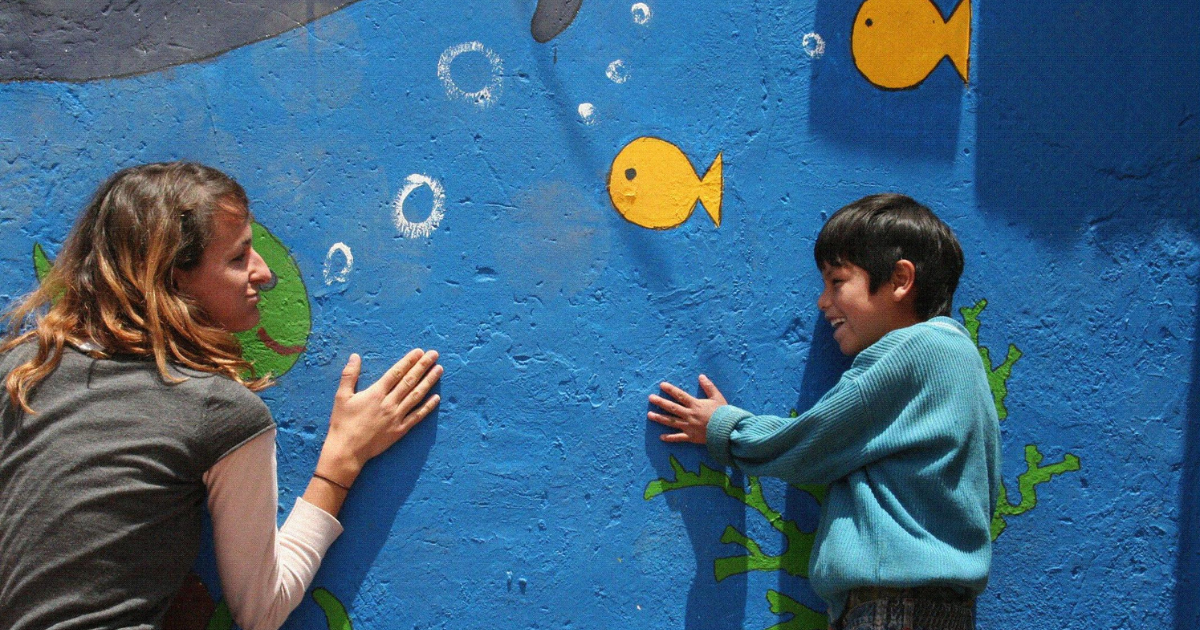
Volunteering in Peru is one of the most rewarding ways to experience the country, but it also places you directly into real-life situations where Spanish matters. Even if you already have some foundation, you may not be fully prepared for the pace, accents, and informal language you will encounter in Cusco, whether in a clinic, classroom or community project
This guide focuses on the Spanish you will actually use day to day as a volunteer or intern. It is organised by situation and by project type, so you can quickly find what is relevant to your placement. The aim is not just to help you communicate, but to help you integrate, build trust, and get more from the experience.
Core Everyday Phrases (You Will Use These Constantly)
These are phrases that will come up repeatedly both in your day to day life and while volunteering regardless of your placeme
Basic interaction and politeness
- Buenos días / Buenas tardes / Buenas noches – Good morning / afternoon / evening
- ¿Cómo está? (formal) / ¿Cómo estás? (informa) – How are you?
- Mucho gusto – Nice to meet you
- Por favor / Gracias / De nada – Please / Thank you / You’re welcome
- Disculpe or Perdón –Excuse me / Sorry
Why this matters:
Peru is generally polite and somewhat formal in initial interactions. Using usted forms like ¿Cómo está? helps create a good first impression, especially with older people or supervisors or people you don’t know.
Clarifying and understanding
- ¿Puede repetir, por favor? – Can you repeat, please?
- No entiendo – I don’t understand
- ¿Puede hablar más despacio? – Can you speak more slowly?
- ¿Qué significa…? –What does … mean?
- Entiendo un poco – I understand a little
Tip:
Do not avoid conversations because your Spanish is imperfect. These phrases are essential for staying engaged instead of withdrawing. Peruvians are generally very patient with, and both understanding and appreciative of, foreigners trying to speak Spanish.
Practical daily needs
- ¿Dónde está…? – Where is…?
- ¿Cuánto cuesta? – How much does it cost?
- Necesito ayuda – I need help
- ¿A qué hora…? – What time…?
- ¿Cómo puedo llegar a… ? – How do I get to?
General Volunteering Phrases (All Projects)
This is language that will help you with showing willingness, understanding roles, and contributing meaningfully to your volunteer placement.
Offering help and participation
- ¿En qué puedo ayudar? – What can I help with?
- ¿Qué necesitan hoy? – What do you need today?
- Estoy disponible para apoyar en lo que sea – I am available to help with anything
- ¿Prefieren que haga esto o aquello? – Would you prefer I did this or that
Understanding expectations
- ¿Cuál es mi responsabilidad hoy? – What is my responsibility today?
- ¿Cómo funciona este proyecto? – How does this project work?
- ¿Qué esperan de mí? – What do you expect from me?
- ¿Hay algo importante que debería saber? – Is there anything important to know
- ¿A quién debo preguntar sobre…?
Clarifying tasks
- ¿Puede explicarlo paso a paso? – Can you explain this step by step
- ¿Esto está bien hecho? – Is this done well?
- ¿Quiere que lo cambie? – Do you want it changed
Building relationships
- Gracias por la oportunidad – Thanks for the opportunity
- Estoy aprendiendo mucho aquí – I am learning a lot here
- Me gusta trabajar con ustedes – I would like to work with you (plural)
These are simple, but they shift you from “visitor” to “participant”.
Teaching and Childcare Projects
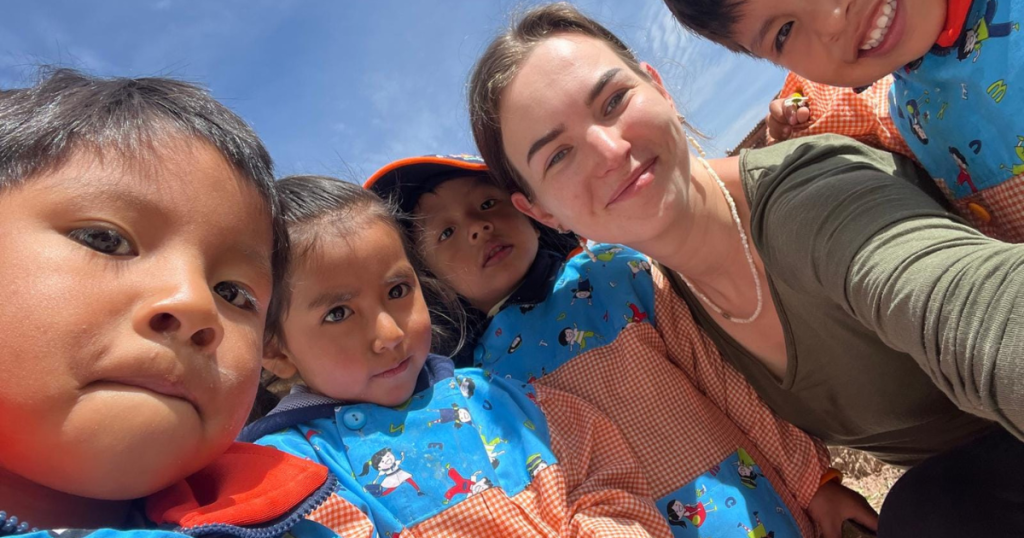
Working with children requires clarity, repetition, and emotional tone more than complex language.
Instructions and control
- Presten atención – Pay attention
- Hagan silencio – Be quiet
- Formen una fila – Make a line
- Guarden sus cosas – Put your things away
- Empezamos – Let’s Start
Engagement and encouragement
- Excelente trabajo – Good work
- Muy bien hecho – Very well done
- Sigan intentando – Keep trying
- No pasa nada, intentamos otra vez – Don’t worry about it, we will try again
Classroom interaction
- ¿Quién quiere participar? – Who wants to take part?
- Vamos a hacer un juego – We are going to play a game
- Trabajen en grupos – Work in groups
- Repitan conmigo – Repeat with me
- ¿Me entiendes? – Do you understand
Behaviour management
- Eso no está bien – That is not ok
- Hay que respetar a los demás – You have to respect others
- Escuchen a sus compañeros – Listen to your classmates
Medical and Healthcare Placements
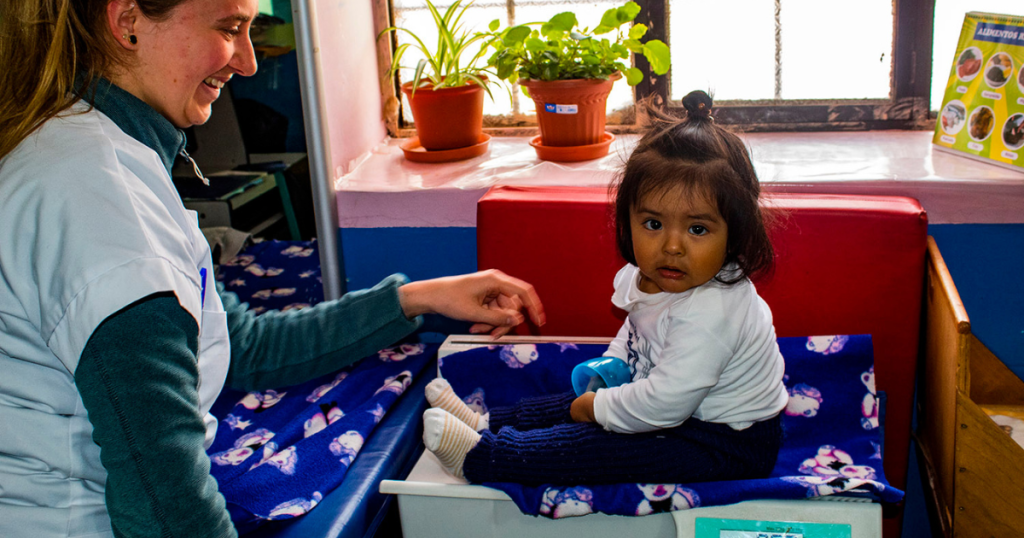
This is where precision matters most. Even if your Spanish is limited, knowing key structures allows you to follow conversations and contribute appropriately. In these placements the more Spanish you know the more tasks and responsibilities the permanent staff will trust you with.
Patient interaction basics
- ¿Qué le pasa? – What is wrong with her/him/you?
- ¿Dónde le duele? – Where does it hurt?
- ¿Cuánto tiempo lleva así? – How long has it been like this
- ¿Es un dolor constante o intermitente? – Is it a constant or intermittent pain?
- ¿Le duele aquí? – Does it hurt here?
Symptoms and conditions
- Tiene fiebre – She/he/you have a fever
- Tiene tos – She/he/you have a cough
- Tiene dolor de cabeza – She/he/you have a headache
- Tiene dificultad para respirar – She/he/you have difficulty breathing
- Se siente mareado – She/he/you feel dizzy
Instructions to patients
- Respire profundo – Breathe deeply
- Relájese – Relax
- Abra la boca – Open your mouth
- Levante el brazo – Lift your arm
- Quédese tranquilo – Stay calm
Observational and support role language
- Estoy observando el procedimiento – I am observing the procedure
- Yo participaré en este procedimiento – I will be assisting in this procedure
- Estoy aquí como voluntario/passante – I am here as a volunteer/intern
- Estoy aprendiendo sobre… – I am learning about….
- ¿Me puede explicar qué está pasando? – Can you explain to me what is happening?
Communicating with staff
- ¿Cuál es el diagnóstico? – What is the diagnosis?
- ¿Qué tratamiento se recomienda? – What treatment do you recommend?
- ¿Hay riesgos en este caso? – Are there risks in this case?
- ¿Cómo se toma esta decisión – How did you make this decision?
Handling uncertainty and limitations
- Todavía estoy aprendiendo – I am still learning
- No quiero cometer un error – I don’t want to make a mistake
- Prefiero confirmar antes de hacerlo – I would prefer to confirm
This is important in maintaining professionalism and handling complex situations
Cultural and practical realities
You may also hear:
- No hay insumos/suministros – there are no supplies
- Regrese mañana – come back tomorrow
- Hay mucha demanda hoy – there is high demand today)
Understanding these helps you contextualise what you are seeing.
Wildlife and Environmental Volunteering
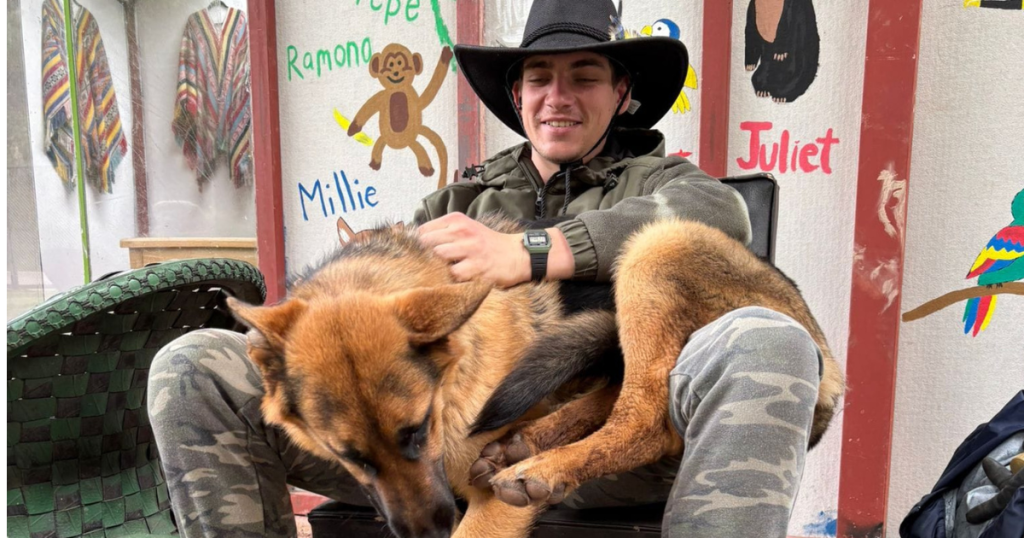
These projects involve more physical work and coordination, often in less structured environments.
Handling animals
- No se acerque demasiado – Don’t get too close
- Mantenga distancia – Keep your distance
- El animal está estresado – The animal is stressed
- Hay que tener cuidado – You have to take care
Environmental and general work
- Estamos limpiando esta área – We are cleaning this area
- Estamos plantando árboles – We are planting trees
- Hay que recoger la basura – We have to collect the trash
Safety and awareness
- Es peligroso aquí – It is dangerous here
- Tenga cuidado con…– Take care with…
- Use guantes – Use gloves
- No toque eso – Don’t touch that
Living With a Host Family
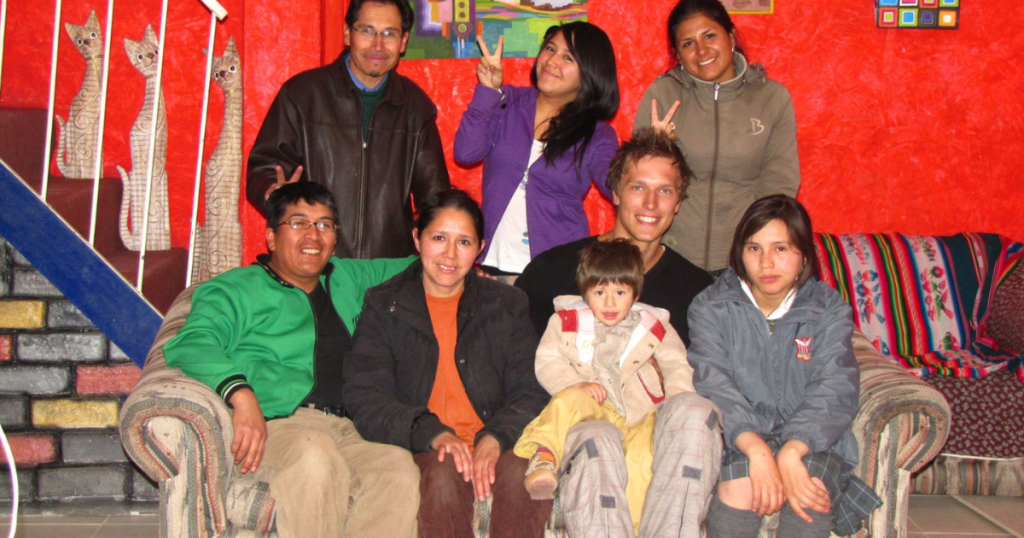
For many volunteers, the homestay is where the most meaningful language learning happens. The more you try to communicate with the family the more you will get out of the experience.
Meals and daily routine
- ¿A qué hora comemos? – What time do we eat?
- Está muy rico – It’s very delicious
- ¿Puedo ayudar? – Can I help?
- Ya comí, gracias – I’ve already eaten, thank you
- ¿Hay algo que debo saber? – Is there anything I should know?
- Provecho – Enjoy your meal (an expected politeness)
Cultural note:
Complimenting food matters. Saying está muy rico is simple but appreciated.
Respect and communication
- Voy a salir un rato – I’m going out for a bit
- Regreso más tarde – I’ll come back later
- ¿Le molesta si…? – Would you mind if…?
- ¿Dónde puedo? – Where can I
This level of communication helps avoid misunderstandings and builds stronger relationships with your host family.
More Natural, Fluent Expressions
If you already have some Spanish, these phrases help you sound more natural and less textbook.
Softening communication
- Más o menos –More or less
- Depende –It depends
- A ver… – Let’s see…
Expressing opinion
- Creo que… –I think that…
- Me parece que… – It seems to me that…
- Desde mi punto de vista… – From my point of view…
Managing uncertainty
- No estoy seguro, pero… – I’m not sure, but…
- Tal vez – Maybe
- Puede ser – It could be
Everyday conversational fillers
- Claro – Of course
- Ya veo – I see
- Entonces… – So…
These are small, but they make your Spanish sound significantly more natural.
Key Quechua Words You Might Hear
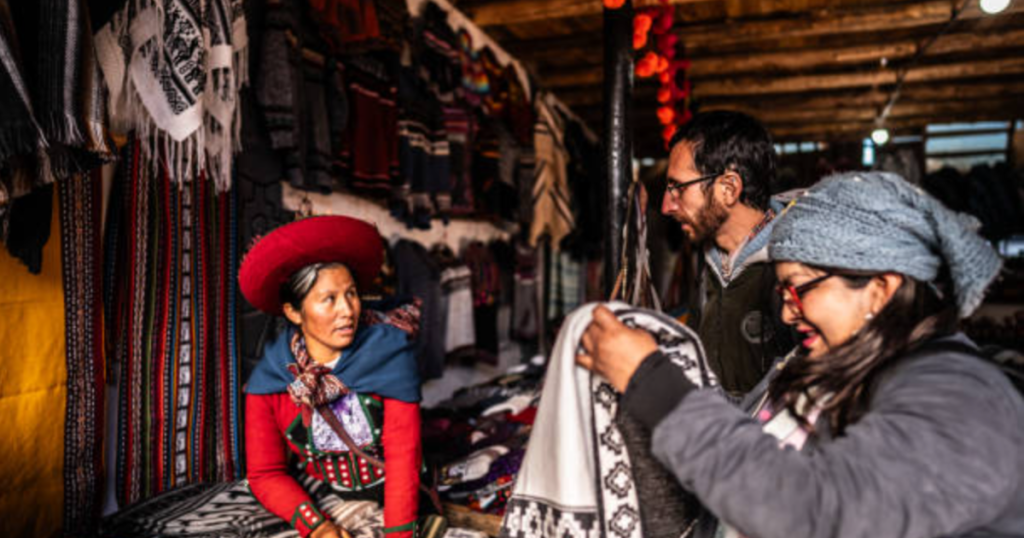
In Cusco, Spanish is often influenced by Quechua, the indigenous language of the Andes. It is not necessary to learn Quechua, but recognising a few words can help.
- Allin p’unchay – Good day
- Sulpayki – Thank you
- Wawa – Child or baby
- Taita – Father or respected elder
Final Thoughts
You do not need perfect Spanish to volunteer in Peru. What matters is willingness to engage, to make mistakes, and to keep trying. The phrases in this guide are a starting point, but the real progress comes from using them daily, in real conversations, in real situations.
The more you step outside your comfort zone, whether with your host family, at your placement, or in the streets of Cusco, the faster your Spanish will develop.
If you are preparing for a volunteering or internship experience, taking time to build even a basic working vocabulary will significantly improve both your confidence and your impact.
If you are interested in learning more about volunteering opportunities, internships or Spanish immersion experiences in Peru check out our website or get in touch with us at info@proyectoperucentre.org