So you have booked your trip, your start date is on the calendar, and a couple days from takeoff, you are staring at an empty backpack wondering what on earth to bring. If you are getting ready to spend time volunteering in Cusco, packing can feel surprisingly overwhelming. You are heading to a high-altitude city in the Andes, you may be working in a clinic, a classroom, or out in nature, and you want to be prepared without lugging around a suitcase you can barely lift. You think of the weather being cold, but you’ll also be close to the sun, so what’s the balance?
The short answer is this: pack light, pack in layers, and prioritize comfortable, practical clothing over anything fashionable. Cusco sits at roughly 3,400 meters (about 11,150 feet), the weather swings dramatically between day and night, and most volunteer work is hands-on. The longer answer is more useful, because what you pack depends on the season you travel in and the type of program you join.
This guide walks you through exactly what to bring for volunteering in Peru, season by season and program by program, so when you arrive, you’re more than ready to focus on what actually matters: your project, your host family, and your experience, without feeling uncomfortable.
The Short Answer: What to Pack for Volunteering in Cusco
If there’s one thing you take from this post, remember the layering principle. Mornings in Cusco can be cold enough for a light jacket and a second layer, whether light or heavy jackets, depending on the day. By midday, the sun can feel intense enough to burn your skin, and temperatures drop quickly again once the sun goes down. A single thick coat will not serve you well. Instead, bring several lighter layers that you can add or remove throughout the day.
Other than layers, your packing priorities as a volunteer in Cusco come down to five categories: versatile clothing, the right footwear, basic health supplies, your important documents, and a few program-specific items. Below covers each detail on what to pack, but first you need to understand the conditions you are packing for.
Understanding Cusco’s Climate and Altitude Before You Pack
Cusco does not have the four seasons many travelers are used to. Instead, the year is divided into two: the dry season and the rainy season. Knowing which one you are traveling in is the most important factor in deciding what goes into your bag before takeoff.
Dry Season (May to September)
The dry season is the most popular time for volunteering in Cusco, and for good reason. Days are bright and sunny, with clear skies. However, “dry” does not mean “warm” in the way you might expect. Since the air is thin and there is little cloud cover, nights and early mornings can get genuinely cold, sometimes dropping close to freezing in June and July.
For the dry season, prioritize:
- A warm fleece or insulated mid-layer for cold mornings and evenings
- A packable down jacket (ex. puffer jacket) for the coldest nights for a third layer
- Sunglasses and a high-SPF sunscreen, because the high-altitude sun is intense even when the air is cool
- A wide-brimmed hat or cap for daytime sun protection
- Lip balm and moisturiser, as the dry air can be harsh on your skin and lips
You generally will not need heavy rain gear during these months, which frees up space in your bag for warmer layers.
Rainy Season (November to March)
The rainy season brings greener landscapes, fewer crowds, and a different packing strategy. Rain often arrives in the afternoon as heavy but short showers, so you are rarely soaked all day, but you do need to be ready when it comes. Temperatures during the day can actually feel milder than in the dry season, though evenings are still cool.
For the rainy season, make sure you bring:
- A waterproof rain jacket with a hood (not just water-resistant)
- A small travel umbrella that fits in your daypack
- Waterproof or quick-drying footwear, since streets and project sites can get muddy
- A dry bag or waterproof pouch to protect your phone, documents, and electronics
- Quick-dry clothing that will not stay damp for days in the humidity
If your volunteer in Peru program involves any outdoor or rural work during these months, waterproof gear becomes even more important.
The Altitude Factor
No matter which season you choose, altitude affects most who come to Cusco. The first few days you may feel headaches, breathlessness, and fatigue as your body adjusts. While altitude is not something you can avoid, a few items genuinely help: a reusable water bottle to stay hydrated, any altitude medication your doctor recommends, and electrolytes to add to your water. Many volunteers also pack a small supply of their favorite snacks for the adjustment period, when appetite can dip. Popular snacks are beef sticks and protein bars!
Your Core Packing List for Volunteering in Cusco (Any Season)
Regardless of when you travel or which project you choose, this is the foundation of every basic volunteering in Cusco packing list. Build on top of it with the seasonal and program-specific items covered later.
Clothing Essentials
Think practical, modest, and easy to layer.
For being a volunteer in Cusco for a 4 week program, this is what we recommend:
- 5 to 7 comfortable T-shirts or tops
- 2 to 3 long-sleeved shirts for layering
- 2 warm fleeces and 1 packable jacket
- 3 pairs of comfortable pants
- 2 pair of jeans for outings
- Underwear and socks for a week (you can do laundry locally)
- Sleepwear and a warm pair of socks for cold nights
- A hat for the strong sun hitting your face
A reliable rule of thumb is to pack for roughly one week and plan to wash your clothes during your stay rather than bringing a fresh outfit for every single day.
Footwear
Your feet do a lot of work on a volunteer trip, between cobblestone streets, project sites, and weekend hikes. Bring:
- 1 pair of sturdy, broken-in walking shoes or light hiking boots
- 1 pair of comfortable everyday trainers or shoes
- House shoes for your homestay and relaxing
Avoid bringing brand-new shoes you have never worn. Cusco’s hills and uneven streets are not the place to break in stiff footwear.
Health and Toiletries
A small but well-thought-out health kit saves you a lot of trouble. Pharmacies in Cusco are good and well-stocked, but it helps to arrive with the basics:
- Any prescription medication you take, in its original packaging
- Ibuprofen and anti-diarrhoea tablets
- Bandages and antiseptic
- A small first-aid pouch to put all your stuff in
- Sunscreen, lip balm, hand sanitizer, and insect repellent
- Your usual toiletries in travel sizes
Documents and Money
Keep these organized and, ideally, backed up digitally:
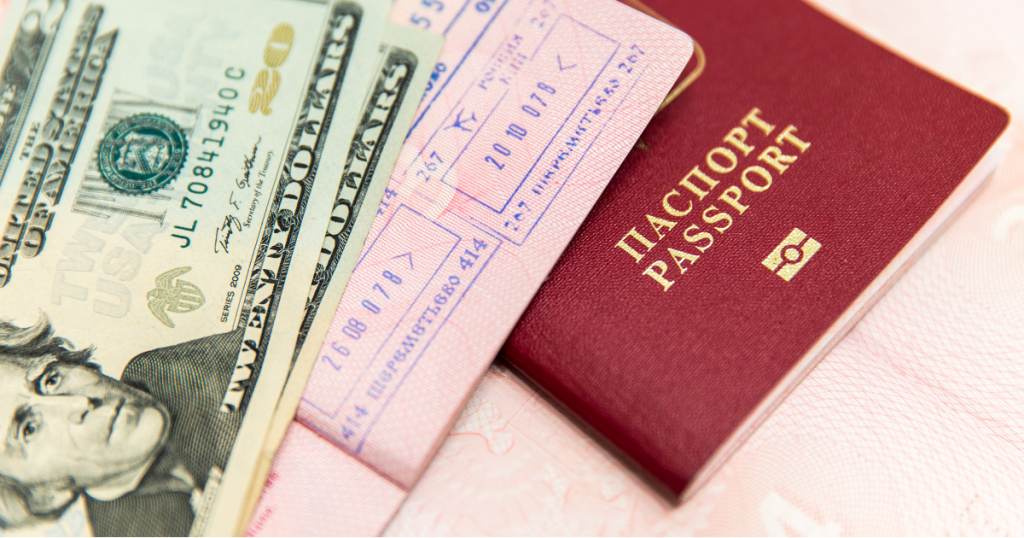
- Physical passport with at least six months’ validity
- Printed and digital copies of your passport, insurance documents, and program confirmation
- Travel insurance documents (essential for any volunteering in Peru placement)
- A debit or credit card and cash to exchange into Soles upon arrival
Tech and a Good Daypack
You do not need a lot of electronics, but a few items make life easier:
- Your phone and charger
- A universal travel adapter (Peru uses plug types A and C)
- A power bank for long days out (Many regret not bringing one)
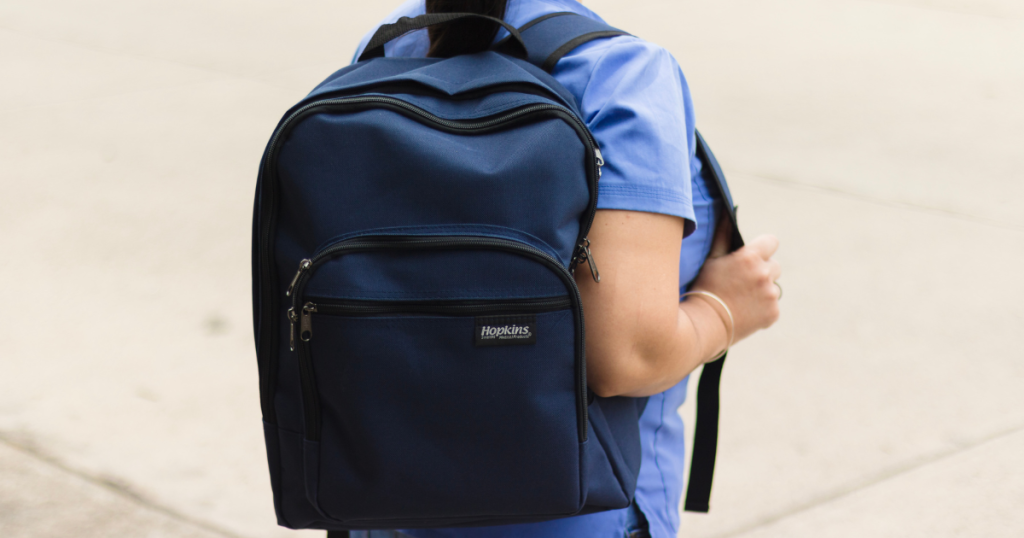
- A comfortable backpack for carrying water, layers, and your project supplies
What to Pack by Volunteer Program
This is where your packing list fits more into your own daily life. The right gear depends heavily on the kind of work you will be doing day to day. Below are tailored tips for the most common types of placements.
Packing for Medical Volunteering in Cusco
If you have signed up for medical volunteering in Cusco, your clothing needs to be clean and appropriate for a clinical environment. Most medical placements expect a tidy, modest appearance, and some specific items will help you fit in and work comfortably.
Consider bringing:
- 1 to 2 sets of scrubs (check with your coordinator on preferred colours)
- Comfortable, closed-toe shoes that are easy to clean
- A white coat only if your program specifically requests one
- Any personal medical equipment you already own and are comfortable using
- A notebook for recording observations and new vocabulary
Because so much of medical work depends on communication, many volunteers in clinical placements find that even basic medical Spanish transforms their experience. We will come back to that at the end of this guide.
Packing for Sustainable and Wildlife Volunteering
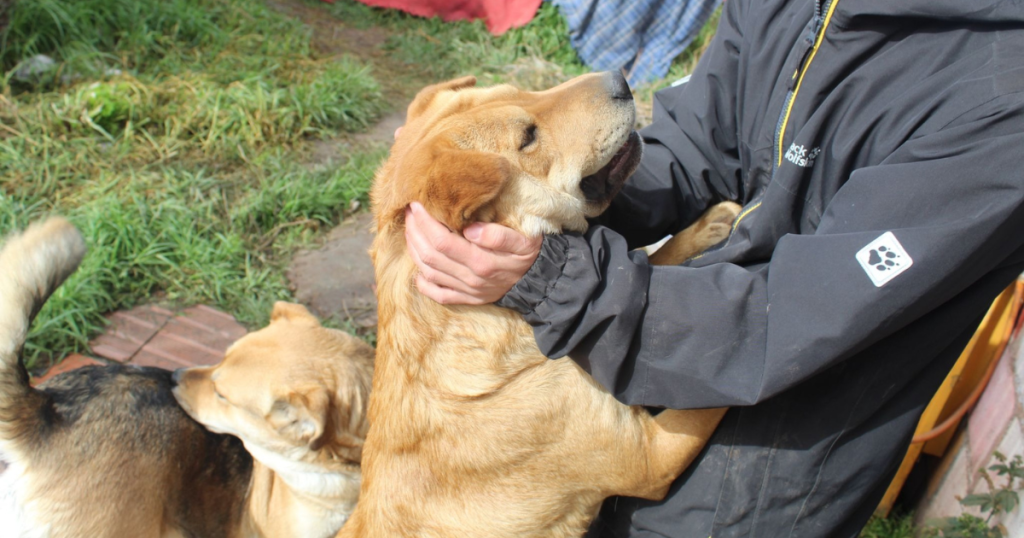
For sustainable volunteering in Cusco, wildlife volunteering in Cusco, or conservation projects, expect to get your hands dirty. These placements involve outdoor work, animal care, planting, or physical tasks, so durable, washable clothing is the priority over anything smart.
Pack:
- Old clothes you do not mind ruining
- Sturdy, waterproof work boots with good grip
- Thick, durable socks and working gloves
- A reusable water bottle and a hat for long days outdoors
- A light, long-sleeved shirt to protect against sun and insects
- Quick-dry layers, especially if you travel in the rainy season
If your project is in a more rural setting, double down on insect repellent, waterproofing, and footwear you can wash off easily. The dogs at the shelter love to play, so expect lots of paws on you!
Packing for Teaching, Childcare and Community Volunteering in Peru
Teaching, childcare, and community projects are some of the most rewarding placements, and they call for clothing that is neat, modest, and comfortable enough to sit on the floor, run around, or join in activities. Previous volunteers have recommended sticking to business casual dress code.
Bring:
- Modest, comfortable clothing you can move around in
- Closed-toe shoes for practicality
- A notebook and pens for lesson planning and organizing activities
- Lots of patience and energy, which sadly do not fit in a suitcase
Optional:
- A few small gifts or supplies from home, such as stickers, pencils, or simple games, if your program welcomes them
Always check with your coordinator before bringing donations or gifts, as projects often have specific guidelines about what is genuinely useful versus what creates more work.
Packing for Your Homestay in Cusco
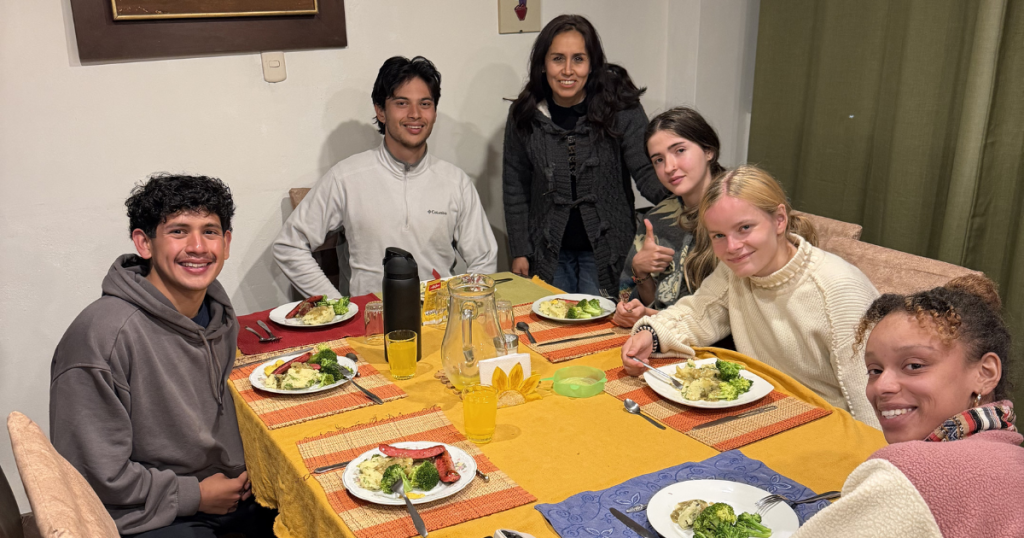
Most volunteers stay with a local host family, and your homestay experience in Peru will be one of the highlights of your trip. Living with a Peruvian family means home-cooked meals, real cultural exchange, immersive Spanish learning, and a built-in support network as you settle in.
A few homestay-friendly items go a long way:
- A small gift from your home country for your host family, such as sweets, postcards, or anything local
- Comfortable clothing to wear around the house
- A reusable shopping bag and your own toiletries
- A laundry bag, making it easy to transfer to laundromat
- A warm layer for the evening, as many homes do not have central heating
- An open mind and a willingness to try new foods and routines
Spending your evenings with a host family is also the fastest way to learn Spanish in Cusco, which is exactly why so many of our volunteers choose to combine their placement with Spanish lessons.
What NOT to Pack (Leave These at Home)
Packing well is not just about what you bring; it is also about knowing what to leave behind. Volunteers consistently regret over-packing, so resist the urge to fill every corner of your bag.
In general, leave behind:
- Expensive jewellery, watches, and valuables you would be heartbroken to lose
- Heavy, bulky single-purpose items that only work in one outfit
- A hairdryer or large electronics you will rarely use
- More than a week’s worth of clothing
- Anything you would be devastated to have damaged during hands-on work
A lighter bag is easier to carry through airports, up Cusco’s hills, and into your homestay. It also helps keep your space more comfortable and clutter-free by bringing only what you need. You can always buy inexpensive essentials locally if you find you are missing something.
A Few Local Tips Before You Zip Up Your Bag
A handful of small habits can make a big difference once you arrive. Call your service provider to figure out how you will stay connected abroad. Remember to have a photocopy of your passport. Carry small bills, because vendors and taxis rarely have change for large bills. Keep your address and program contact information saved offline. And give yourself a day or two to acclimatise to the altitude before diving into anything physically challenging.
Most importantly, remember that you are not just packing for a trip abroad; you are preparing for a meaningful stay in a community. The volunteers who have the best experiences are not the ones with the most gear; they are the ones who arrive prepared, flexible, and ready to engage.
Final Thoughts: Pack Light, Learn Spanish, and Make a Real Impact
Packing for volunteering in Cusco does not need to be overwhelming. Focus on layers for the altitude, adjust for the dry or rainy season, add the items your specific program needs, and leave the rest at home. Do that, and you will arrive ready to give your full attention to your project and your host family rather than to an overstuffed suitcase.
There is one thing you genuinely cannot pack, though, and that is the language. Consistently, the volunteers who get the most out of their time in Peru are the ones who can communicate, whether they are reassuring a patient, leading a classroom, or simply chatting with their host family over dinner. That is why so many people choose to volunteer and learn Spanish in Cusco at the same time, combining a meaningful placement with structured lessons that make every part of the experience richer.
Ready to Volunteer and Learn Spanish in Cusco?
Pack your bag, and let us handle the rest. Proyecto Peru Centre pairs your volunteer placement with Spanish classes built around your level and your goals, so you arrive ready to make a real impact from day one, not just with the right gear, but with the language to make it count. Explore our volunteer and Spanish programs or contact our team today to start planning your trip to Cusco.