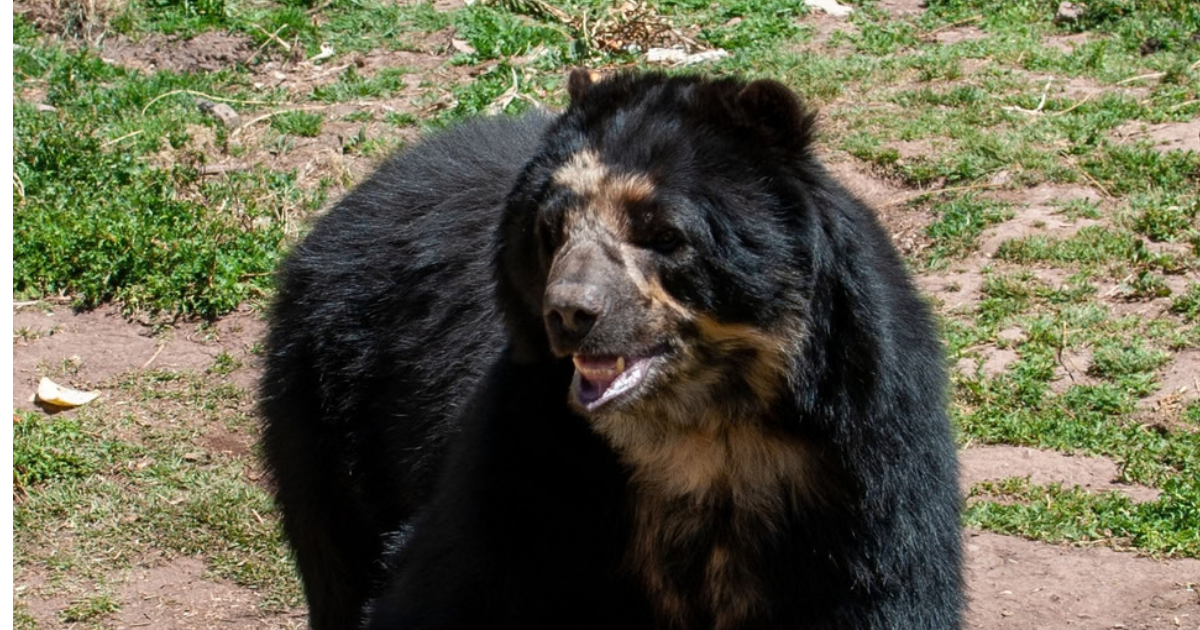
A Guide to Wildlife Conservation and Animal Care
If you are looking for a wildlife internship in Peru, you are probably interested in more than simply seeing wild animals. You may want to gain practical experience, learn about conservation, work with animals, develop skills for a future career, or experience a completely different environment from the one you are used to at home.
Peru is one of the very best countries in the world to do this.
From the Andes and cloud forests around Cusco to the Amazon rainforest, the desert region and the country’s coastal ecosystems, Peru is home to an extraordinary variety of wildlife and natural environments. It is considered one of the world’s megadiverse countries, with a huge range of ecosystems and thousands of species of animals and plants.
But there is an important question to ask before choosing a program:
What do you actually mean by a wildlife internship?
Wildlife internships in Peru can involve very different types of work. Some focus on animal rescue and rehabilitation. Others are designed for veterinary students, while some involve conservation research, environmental education, animal husbandry or fieldwork.
In this guide, we explain what you can expect from a wildlife internship in Peru, what kinds of opportunities are available, and how you can gain practical experience while contributing to animal welfare and conservation.
Why Choose a Wildlife Internship in Peru?
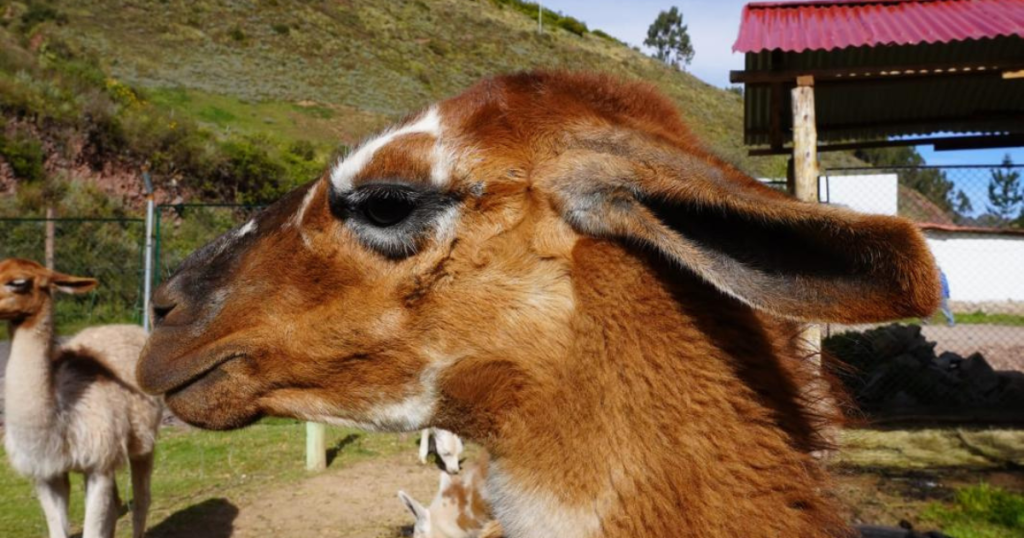
Peru is one of the most biodiverse countries in the world. Peru’s protected natural areas are home to thousands of recorded species, including hundreds of mammals, birds, amphibians and reptiles. This makes Peru a compelling destination for anyone interested in wildlife, conservation, biology, veterinary medicine or environmental science.
But the opportunity to experience wildlife in Peru is not only about seeing unusual animals. For an intern, spending time in a different environment can provide an opportunity to understand some of the practical challenges involved in animal welfare and conservation. You can learn how local organisations work, how animals are cared for, how conservation projects interact with communities and how environmental pressures affect wildlife.
It is also an opportunity to experience Peru beyond the typical tourist route. Instead of simply visiting a national park or taking a wildlife-watching tour, an internship allows you to spend time learning from people who work with animals and conservation projects.
What Types of Wildlife Internships Are Available in Peru?
There is no single type of wildlife internship in Peru.
The right program for you will depend on your interests, your previous experience and what you hope to achieve from the placement.
Wildlife Rescue and Rehabilitation
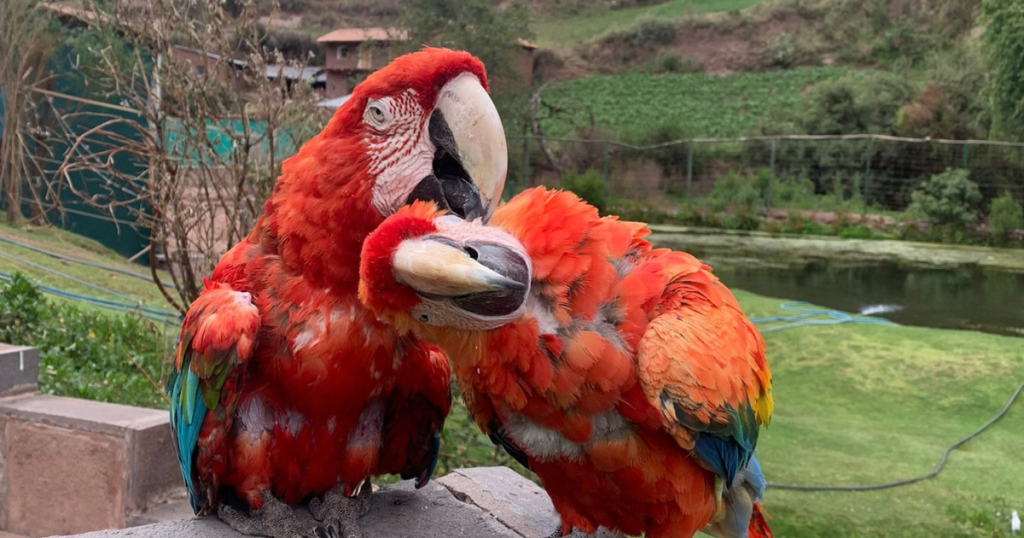
Wildlife rescue centres provide care for animals that have been injured, mistreated, confiscated or otherwise need human assistance.
Interns may support the daily care of animals while learning about their behaviour, welfare and rehabilitation.
Depending on the organisation and your experience, activities can include:
- Feeding animals
- Cleaning enclosures
- Preparing food
- Maintaining animal facilities
- Observing animal behaviour
- Supporting rehabilitation programs
- Helping with educational activities
- Assisting with improvements to animal enclosures
- Learning about the challenges facing rescued wildlife
This type of internship can be particularly suitable if you want practical experience but do not necessarily have a specific background.
It is important to understand that wildlife rehabilitation is not the same as visiting a zoo.
The objective is to provide appropriate care while, wherever possible, supporting the long-term welfare and rehabilitation of the animals.
Veterinary Wildlife Internships
If you are studying veterinary medicine, animal science or a related subject, you may be looking for something more specialised.
Veterinary internships can provide exposure to animal health, clinical procedures, preventative care and rehabilitation.
However, you should always check exactly what an internship involves before applying. An internship advertised as a “wildlife veterinary internship” may involve very different responsibilities depending on the organisation. Some placements are highly clinical, while others focus more heavily on husbandry and general animal care.
You should also never assume that being an intern means you will independently treat animals or perform medical procedures.
At Proyecto Peru, for example, our veterinary internship in Cusco involves shadowing and assisting an experienced veterinarian who works primarily with domestic pets. Interns can observe consultations and procedures, assist with animal handling and learn about treatments and recovery programs under supervision.
The level of responsibility depends on your academic background and experience.
Conservation Research Internships
Another option is an internship focused on conservation research.
These placements can involve learning about wildlife populations, habitats, animal behaviour, ecological monitoring or other aspects of conservation science.
Research internships can be particularly valuable for university students or graduates considering careers in:
- Biology
- Zoology
- Ecology
- Conservation
- Environmental science
- Wildlife management
- Academic research
Depending on the project, you may spend more time collecting or analysing information than directly handling animals.
That can be important to remember when choosing a program.
If your main goal is to work directly with animals every day, a research placement may not be the right fit. If you are interested in understanding ecosystems and collecting scientific data, however, it could be exactly what you are looking for.
Wildlife Internships and Animal Care
Not every wildlife internship needs to be highly specialised.
There are also placements where interns gain experience through practical animal care.
This can include feeding, cleaning, observing animals, maintaining facilities and supporting the people responsible for their care. These tasks might sound simple, but they are an important part of working with animals.
Anyone considering a career in wildlife conservation or animal welfare needs to understand that the work is not always exciting. Looking after animals requires consistency, patience and attention to detail.
There will be days when you are doing something new and fascinating. There will also be days when you are cleaning, preparing food or carrying out routine maintenance. That is part of working with animals.
What Animals Can You Work With in Peru?
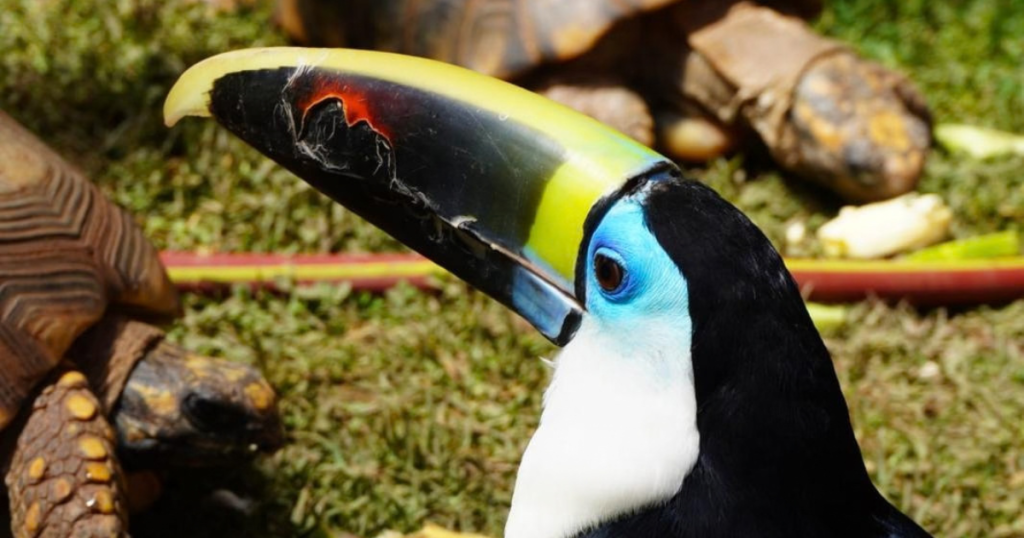
One of the most exciting things about wildlife work in Peru is the diversity of animals you may encounter. The exact species will depend on the location and project. Wildlife projects in Peru can involve mammals, birds, reptiles, amphibians and other species.
In Cusco and the surrounding region, wildlife rescue projects can provide opportunities to learn about a variety of native animals and the challenges involved in caring for animals that have experienced mistreatment or other difficult circumstances.
At the Proyecto Peru Wildlife Rescue Center project, rescued animals are cared for with the long-term objective of returning them to nature where possible. The centre also works with educational, recovery and reproduction programs.
The animals and activities can change over time, so it is better to approach the experience with an interest in wildlife as a whole rather than arriving expecting to work with one particular species.
What Does a Wildlife Intern Actually Do?
This is one of the most important questions to ask before choosing a program. A wildlife internship can sound impressive on paper, but you should understand what your daily responsibilities will actually be. At a wildlife rescue centre, a typical placement may include practical activities such as:
Feeding and caring for animals
Animals need regular feeding and care every day. Interns can support staff with food preparation, feeding routines and general animal care.
Cleaning and maintenance
Cleaning enclosures and maintaining animal facilities is an essential part of responsible animal care. It may not be the most glamorous part of an internship, but it is an important responsibility.
Supporting rehabilitation
Some rescued animals may need ongoing care while they recover. Interns can learn how rehabilitation programs work and support the daily routines that help animals recover.
Maintaining facilities
Wildlife centres require constant maintenance. Interns may help with constructing or improving animal enclosures and other practical projects.
Education
Some wildlife projects also involve educating visitors or local communities about wildlife, animal welfare and conservation. This can be a valuable part of the experience because conservation is not only about looking after animals. It is also about helping people understand why their protection matters.
Do I Need Experience to Do a Wildlife Internship in Peru?
Not always.
Some specialist internships, particularly veterinary or research placements, require relevant academic experience. Other wildlife internships are suitable for people who are considering a career in conservation or simply want to gain practical experience working with animals.
At Proyecto Peru, our animal care placements can be adapted to different levels of experience.For the Wildlife Rescue Center, previous professional experience is not necessarily required. What matters is that you are responsible, willing to learn, comfortable with practical work and genuinely interested in animal welfare.
If you are applying for a specialist internship, however, always check the requirements carefully. A veterinary internship is very different from a general wildlife internship, and your responsibilities should reflect your level of training.
Wildlife Internship or Wildlife Volunteering?
You may also be wondering about the difference between a wildlife internship and wildlife volunteering.The terms are sometimes used interchangeably, but they can have different meanings.
Volunteering generally focuses on contributing your time and helping an organisation with its work.
An internship usually has a stronger emphasis on learning, professional development and gaining experience related to your studies or future career.
In reality, there can be some overlap. At Proyecto Peru, our non-veterinary animal care projects are available both as volunteering opportunities and as wildlife internships. The difference is largely in how the experience is structured around your goals.
If you are a student who needs to gain practical experience for your studies, we can help you build an internship around the placement. If you simply want to spend a few weeks helping animals while travelling in Peru, volunteering may be the better option.
Why Do a Wildlife Internship in Cusco?
When people think about wildlife in Peru, they often immediately think about the Amazon.
And understandably so.
But Cusco is also an interesting base for an animal care or wildlife internship. The city is surrounded by dramatically different landscapes, from the high Andes to the valleys and cloud forests of the wider Cusco region. It is also a practical place to live if you want to combine an internship with Spanish language learning and travel. Cusco has a large international community, a major tourism industry and good connections to other parts of Peru. That means you can spend your weekdays gaining experience at a project and your free time exploring the region.
You can also combine your internship with Spanish classes. For many international students, this is one of the most valuable parts of the experience. Working with animals may not always require advanced Spanish, but living in Peru gives you the opportunity to use the language every day, whether you are travelling to your project, shopping for food, speaking with your host family or meeting other volunteers and students.
What Is a Wildlife Internship at Proyecto Peru Like?
At Proyecto Peru, our wildlife internship opportunities are based around animal care projects in and around Cusco.
The Wildlife Rescue Center is a family-run private organisation dedicated to rescuing animals that have suffered mistreatment. The centre cares for a variety of wildlife and aims to rehabilitate animals and, where possible, return them to nature. Interns can help with daily animal care, cleaning, feeding and practical maintenance. There are also opportunities to support educational activities and learn more about wildlife rescue and rehabilitation.
The placement is designed to be practical. You should expect to work with your hands, spend time outdoors and get dirty. You should also expect that not every day will be the same. That is one of the realities of working with animals. You cannot always predict when an animal will need additional care or what tasks will be the priority on a particular day.
The project is located near Cusco and can be reached by public transport. The current placement has a minimum stay of one week, although longer stays are possible. You can also combine the Wildlife Rescue Center with another animal care project, if you want to experience different types of work. For example, some participants combine wildlife rescue with time at our dog shelter project in Cusco.
What Skills Can You Gain?
A wildlife internship can help you develop much more than knowledge about animals.
Depending on your placement, you may develop skills including:
- Animal husbandry
- Observation and attention to detail
- Communication
- Teamwork
- Responsibility
- Problem solving
- Environmental awareness
- Cross-cultural communication
- Working independently
- Working in unfamiliar environments
If you are a student, these experiences can also give you examples to discuss in university applications, future internship applications or job interviews.
The important thing is to think about what you actually did. Simply writing “wildlife internship in Peru” on your CV does not tell an employer very much. Explaining the responsibilities you had, the skills you developed and what you learned gives the experience much more value.
How Long Should a Wildlife Internship in Peru Last?
There is no single answer.
A short placement of one or two weeks can give you an introduction to wildlife care and allow you to experience working in a different environment.
A longer placement gives you more time to settle into the routine, take on additional responsibilities and understand the project more deeply.
If you are completing an internship as part of a university course, you may also have specific requirements for the number of hours or weeks you need to complete.
We recommend checking these requirements before booking your placement.
At Proyecto Peru, we can help you build a program around the amount of time you have available, whether you are looking for a short introduction to wildlife care or a longer experience.
What Should You Look for in a Wildlife Internship?
Not all wildlife internships are the same.
Before choosing a program, ask some important questions.
What is the purpose of the project?
Is it focused on genuine animal welfare, conservation or research?
What will I actually do?
Ask for a realistic description of your daily responsibilities.
Will I receive supervision?
This is especially important for veterinary and specialist internships.
Where does the money go?
Responsible programs should be transparent about fees and donations.
What happens to the animals?
If rehabilitation and release are part of the project’s goals, ask how this works.
How involved are local staff?
The strongest projects are built around local knowledge and organisations rather than treating international volunteers as the centre of the project.
Is the experience suitable for my level?
A good internship should give you meaningful responsibilities without asking you to do things you are not trained or qualified to do.
A Wildlife Internship Should Be More Than a Photo Opportunity
It is easy to look at pictures of Peru’s wildlife and imagine spending your days surrounded by exotic animals. The reality is more complicated.
Conservation work can be physically demanding. It can be repetitive. Some situations can be emotionally difficult. And much of the work that makes a wildlife project successful happens behind the scenes. But that is also what makes a genuine wildlife internship valuable.
You are not simply visiting Peru to see wildlife. You are learning how animal care and conservation work in practice while contributing your time to a local organisation. And you are gaining an experience that can help you understand whether working with animals or conservation is something you want to pursue in the future.
Start Your Wildlife Internship in Peru
If you are looking for wildlife internships in Peru, Proyecto Peru can help you find a placement that fits your interests, experience and goals.
Our animal care programs include opportunities at a wildlife rescue centre, dog shelter, horse ranch, and a veterinary clinic. These experiences can be combined with Spanish classes, homestay accommodation and other aspects of life in Cusco.
Whether you are studying veterinary medicine, considering a career in conservation, taking a gap year or simply looking for a more meaningful way to experience Peru, we can help you create a program that works for you.
Interested in a wildlife internship in Peru?
Contact the team at info@proyectoperucentre.org for more information or to reserve your program. You can also build your own experience using our custom program builder