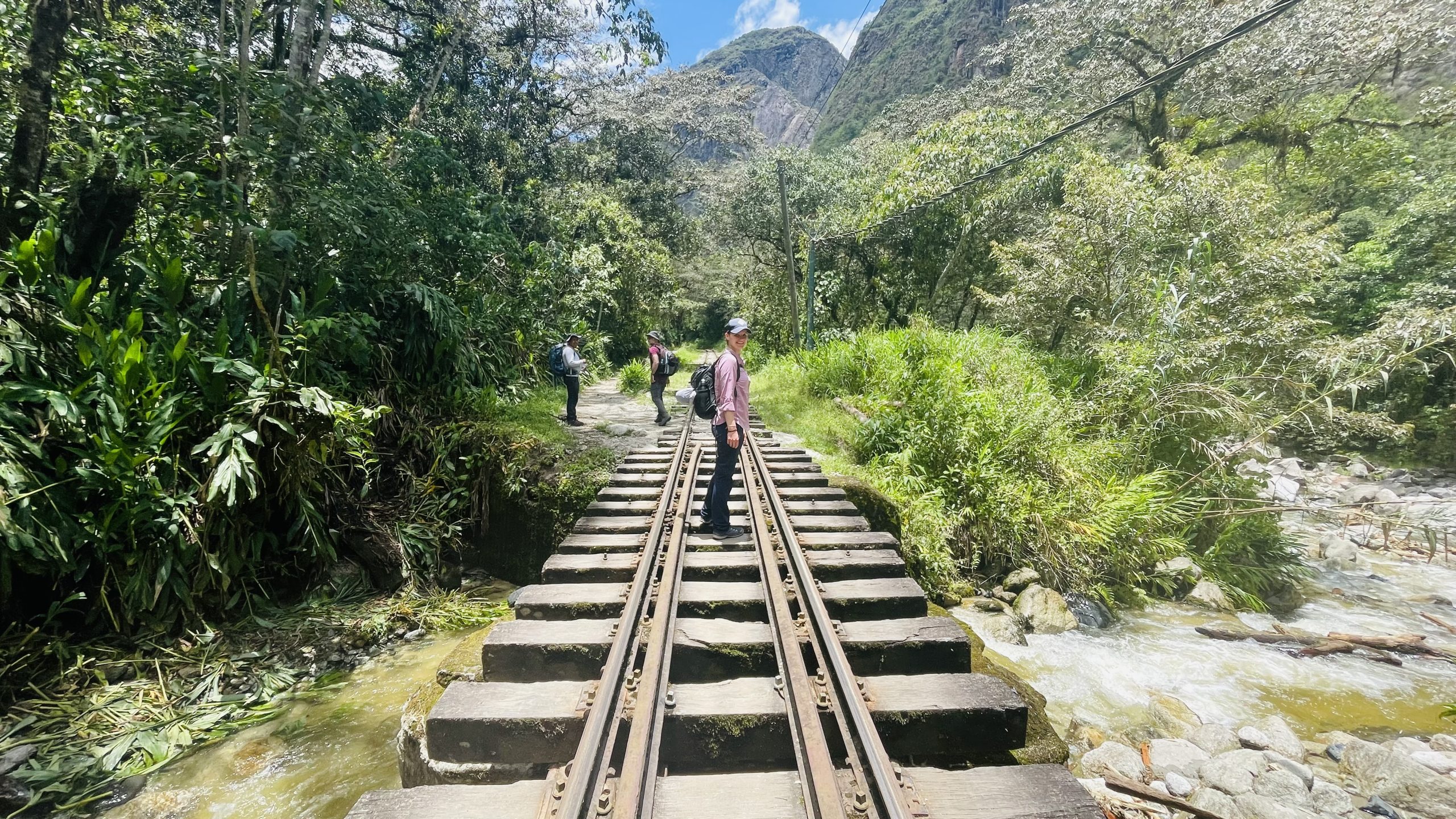
When people think about travelling to Cusco, one destination usually comes to mind first: Machu Picchu. And while visiting this incredible Inca citadel is an experience that deserves its reputation, there is so much more to discover both in this part of Peru and further afield.
With everything from colourful mountain landscapes and turquoise glacial lakes to ancient archaeological sites, traditional Andean villages and challenging multi-day treks, the region around Cusco offers something for almost every type of traveler. Whether you have a few days to explore between other adventures or are planning to spend several weeks here studying Spanish, volunteering, completing an internship or simply enjoying life in the Andes, you will find plenty of reasons to stay longer.
The best part? Some of the most memorable experiences are much closer to Cusco than you might expect. Others take you far beyond the usual tourist routes, into quieter valleys, remote mountain communities and landscapes that feel a world away from the city, or even across the border into Bolivia.
In this guide, we explore some of what, in our opinion, are the best tours, hikes and independent adventures to enjoy beyond Machu Picchu, including some of our favourite day trips from Cusco, longer trekking routes and destinations worth adding to your wider Peru itinerary.
Explore the Sacred Valley of the Incas
The Sacred Valley is one of the best places to start if you want to understand the history, landscapes and culture of the Cusco region. Stretching between Cusco and the area around Machu Picchu, the valley follows the Urubamba River through fertile agricultural land, traditional villages and some of the most impressive archaeological sites left by the Incas and even older civilizations
Although many travellers visit the Sacred Valley on their way to Machu Picchu, it deserves a day or more of its own.
Pisac: Inca ruins and traditional markets
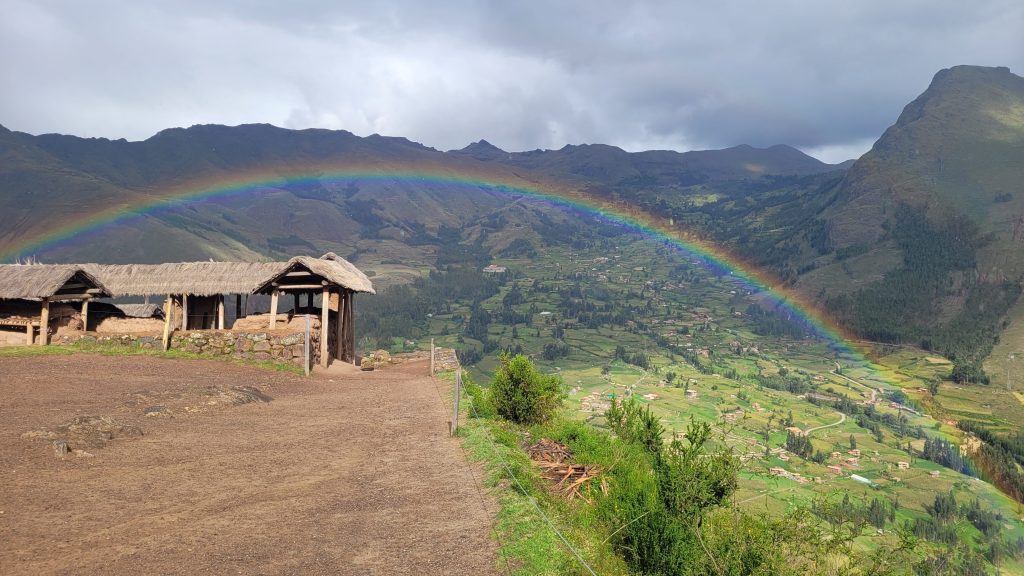
Pisac is famous for its impressive archaeological complex, which sits high above the modern town. The ruins include agricultural terraces, stone structures and pathways overlooking the surrounding valley. The views alone make the journey worthwhile, particularly on a clear day.
Down in the town, you can explore the traditional market, browse local handicrafts and find places to eat. It is a good opportunity to experience a different side of the region beyond the archaeological sites.
If you prefer to travel independently, Pisac is one of the places you can consider visiting by local transport from Cusco. This gives you more flexibility to spend time in the town and explore at your own pace. However, you will need to organise your own transport between the town and the archaeological complex. Alternatively you can take a two hour hike directly from town up to the ruins, enjoying beautiful views of the town and the valley.
Ollantaytambo: An Inca town that is still alive today
Ollantaytambo is another highlight of the Sacred Valley. Its archaeological complex rises above a town where narrow streets, stone foundations and traditional water channels preserve elements of the historic Inca settlement. Unlike some archaeological sites that are separated from modern life, Ollantaytambo remains a working town. You can walk through its streets, explore the ruins and enjoy the surrounding mountain scenery.
It is also an important transport hub for travellers heading towards Machu Picchu, but there is no need to treat it simply as a place to pass through. If you have time, explore the town and appreciate its history before continuing your journey.
Chinchero: Textiles, traditions and mountain views
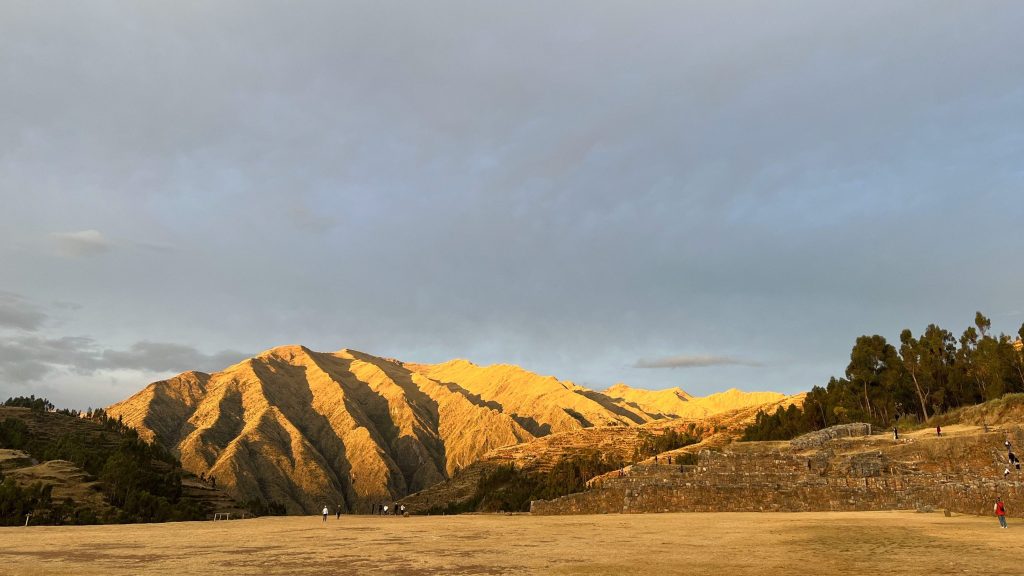
Chinchero is known for its archaeological remains, colonial church and traditional weaving heritage. Visitors can learn about Andean textile techniques and the cultural traditions that continue to be practised in the region.
It is a particularly interesting stop if you want to understand more about local life, rather than spending an entire day moving between ruins.
Exploring the Sacred Valley with Proyecto Peru
Our Classic Sacred Valley tour combines visits to Pisac, Ollantaytambo and Chinchero, with a buffet lunch in Urubamba. It is a full-day option for travellers who want to visit several of the valley’s main attractions without organising all the transport themselves.
If you prefer a shorter excursion, our Maras and Moray tour focuses on two fascinating sites in the wider Sacred Valley area. Moray is famous for its enormous circular agricultural terraces, which are often associated with Inca agricultural experimentation. Nearby, the Maras Salt Mines consist of thousands of small salt pools arranged across the mountainside, where salt is still produced using traditional methods. The contrast between these two sites makes the excursion particularly interesting. One demonstrates the Incas’ sophisticated relationship with agriculture and the landscape, while the other offers insight into a traditional industry that continues today.
For a different perspective on the region, our Southern Valley tour visits Tipón, Pikillaqta and Andahuaylillas, combining Inca engineering, pre-Inca history and colonial architecture.
Our tip: If you have several days in Cusco, do not try to squeeze every attraction into one enormous day trip. Choose the places that interest you most, and allow yourself time to enjoy them.
Discover Cusco’s quieter archaeological sites
You do not have to travel far from Cusco to discover impressive Inca ruins. In fact, some of the most interesting archaeological sites are located just outside the city.
Sacsayhuamán and Cristo Blanco
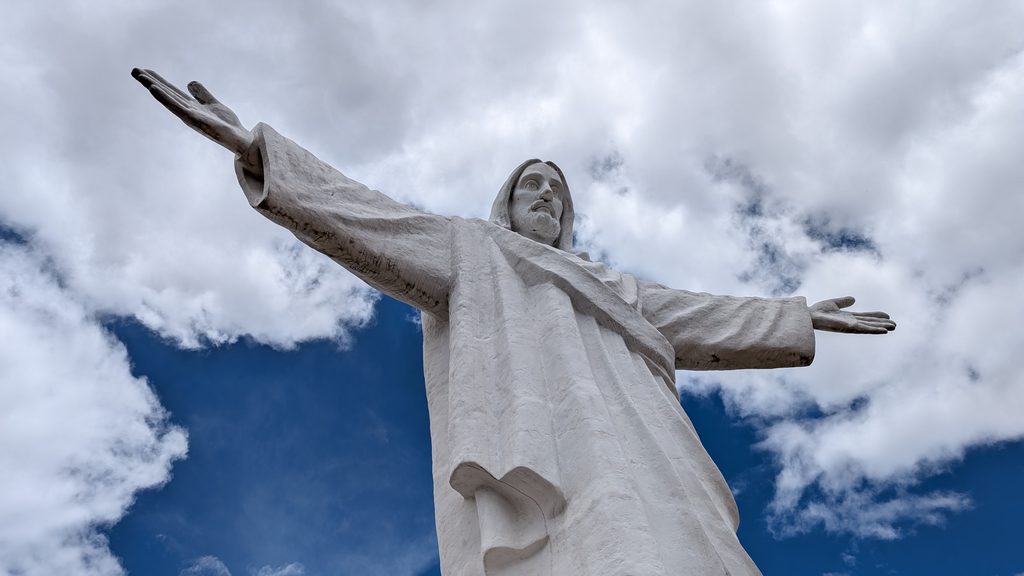
Sacsayhuamán is famous for its enormous stone walls, which demonstrate the remarkable skill of Inca builders. The site also offers panoramic views across Cusco. Nearby, Cristo Blanco is a large statue overlooking the city. It is a popular viewpoint, particularly around sunset, when you can watch the city lights begin to appear below.
You can visit Sacsayhuamán as part of our Cusco City Tour, which also includes Qoricancha, the Cathedral, Qenqo, Puca Pucara and Tambomachay.
Alternatively, you can explore the area independently. Walking up towards Cristo Blanco and the nearby archaeological sites can make for a rewarding half-day outing, although you should account for the steep uphill sections and the effects of altitude. Check the current entrance requirements before setting out, as access to most archaeological sites requires a Boleto Turistico (tourist ticket) which varies in price depending on whether you purchase a 2 day or 10 day option and if you are eligible for a student discount. The Boleto Turistico (tourist ticket) can be purchased at the archaeological sites or in advance at the COSITUC office on Avenida del Sol.
Tipón: Inca water engineering
Located southeast of Cusco, Tipón is an impressive archaeological complex known for its agricultural terraces and sophisticated water channels. Water continues to flow through parts of the system, making it a particularly interesting site for anyone curious about how the Incas managed water and cultivated the land.
Tipón is also a highlight of our Southern Valley tour. If you would rather organise your own visit, check local transport options and entrance requirements before leaving Cusco.
Pikillaqta: A pre-Inca city
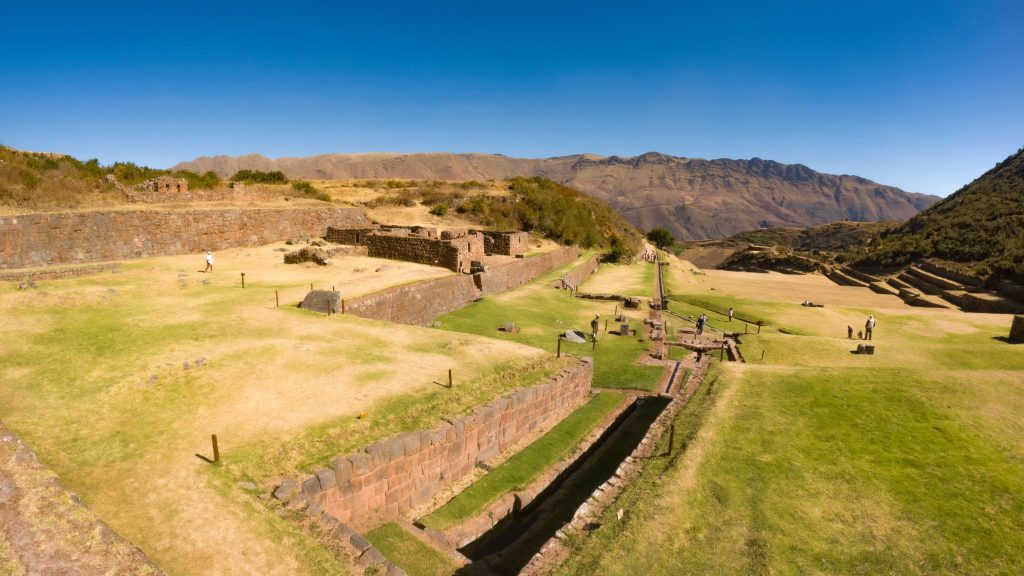
Pikillaqta offers something different from the better-known Inca sites. It was an important settlement associated with the Wari civilization, which flourished in the Andes before the rise of the Inca Empire. The remains give visitors an opportunity to explore an earlier chapter of Andean history and appreciate that the region’s cultural heritage extends far beyond the Incas.
Together, Tipón and Pikillaqta make an interesting combination for travellers who want to explore the Southern Valley without following the most familiar tourist itinerary.
Museums and historic neighbourhoods
If you want to stay in Cusco rather than organise another day trip, there is still plenty to do. You can spend time exploring the historic centre, wander through the San Blas neighbourhood, visit local markets and discover the city’s museums. The streets themselves are part of the experience, with Inca stonework, colonial buildings and everyday life sharing the same spaces.
This is also one of the easiest ways to keep your travel costs down. You can spend hours exploring on foot, stopping for a coffee or a local meal whenever you find somewhere that interests you.
Rainbow Mountain, Palccoyo and Pallay Punchu: Colourful landscapes in the Andes
Rainbow Mountain has become one of Peru’s most recognisable landscapes, thanks to its striking bands of colour and dramatic high-altitude setting. The classic Vinicunca route is spectacular, but it is not the only way to experience this part of the Andes. Depending on your interests, fitness level and budget, there are several options to consider.
Classic Rainbow Mountain
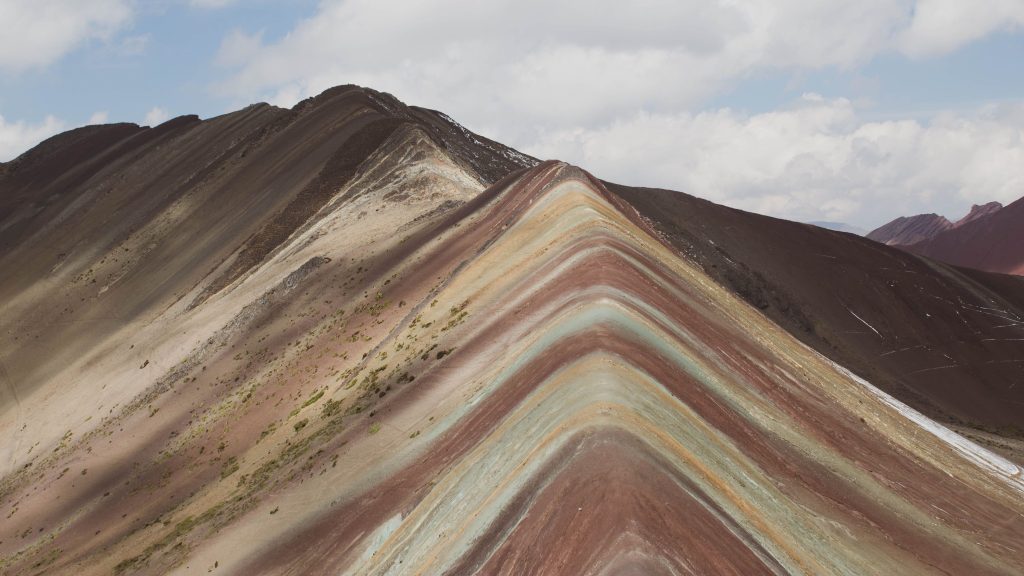
Vinicunca, commonly known as Rainbow Mountain, sits at approximately 5,036 metres (16,522 feet) above sea level. The landscape is remarkable, with colourful mineral layers cutting across the mountainsides and views extending towards the surrounding Andean peaks.
Most excursions from Cusco involve an early departure, a drive towards the trailhead and a hike to the viewpoint. Our Classic Rainbow Mountain tour includes transport, a guide, breakfast, lunch and the entrance fee. The hike is relatively short compared with a multi-day trek, but the altitude makes it much more demanding than the distance alone suggests. Even fit travellers can struggle if they have not acclimatised properly.
Other ways to experience Rainbow Mountain
For travellers looking for something different, we also offer a Rainbow Mountain and Red Valley excursion by ATV, as well as a Rainbow Mountain VIP option.
The ATV excursion combines an adventure ride with a visit to the colourful mountain landscape, while the VIP option departs earlier to help travellers reach Rainbow Mountain before the main crowds arrive.
You can find the available options through our Cusco tours page.
Our tip: Rainbow Mountain is not somewhere to visit on your first morning in Cusco if you can avoid it. Give yourself time to acclimatise, take the early start seriously and bring warm clothing. Conditions can change quickly in the mountains.
Palccoyo: An alternative to the classic mountain
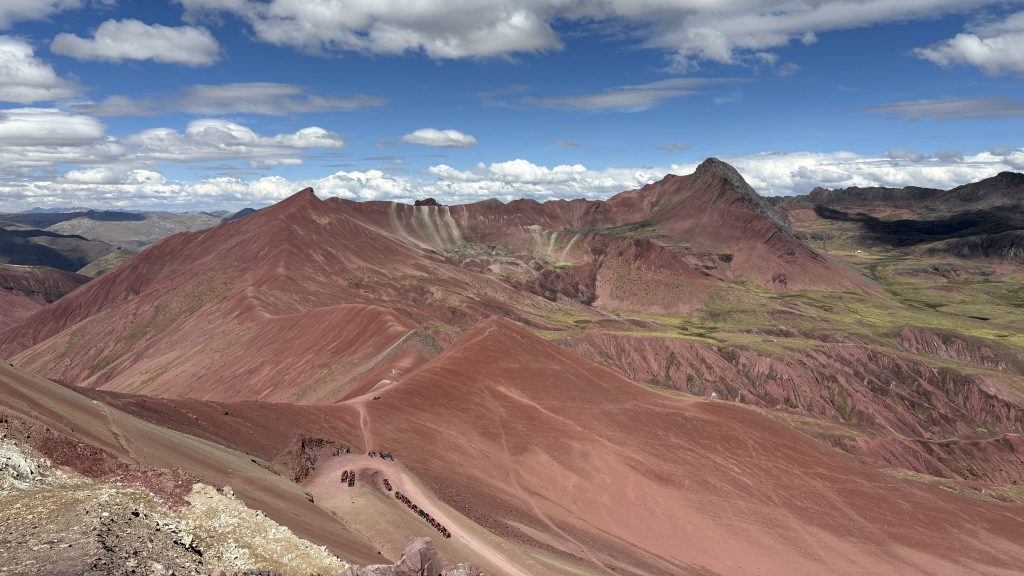
If you want to experience colourful mountains without tackling the classic Rainbow Mountain hike, Palccoyo is worth considering. Palccoyo offers views of three colourful mountains, the surrounding Andes and a distinctive stone forest. The walk is shorter and more gradual than the classic Vinicunca route, although the altitude remains significant.
Our Palccoyo tour includes transport, a guide, breakfast, lunch and the entrance fee. It can be a good option for travellers who want spectacular scenery but prefer a less demanding hike. However, the route still reaches around 4,880 metres, so it should not be treated as an easy low-altitude walk.
Many people who have visited both feel that Palccoyo is even more stunning than Vinicunca, and others say that it is worth visiting both.
Pallay Punchu: The newest option
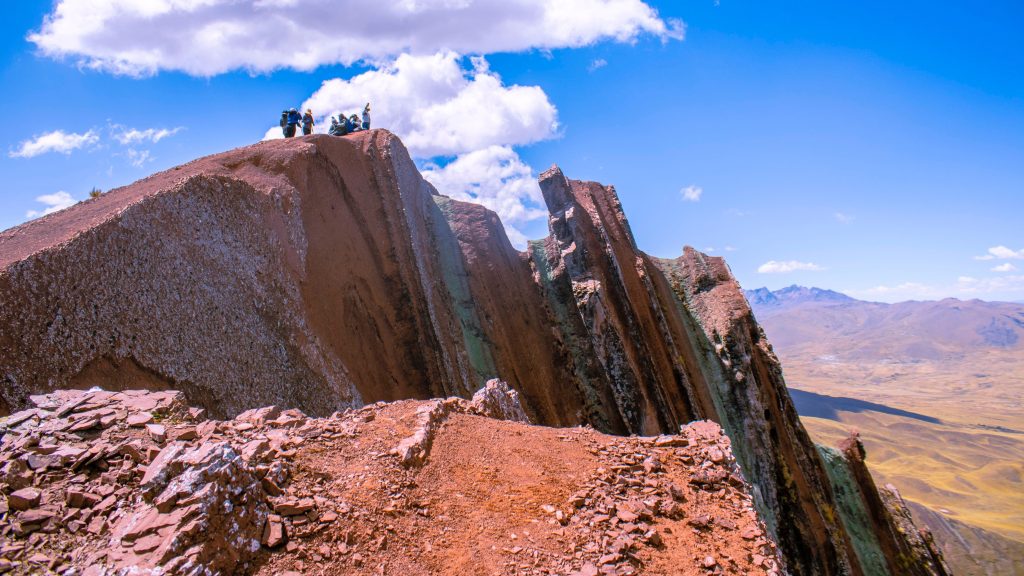
There are colorful mountains to be found all over the region, and the latest to become popular with tourists is Pallay Punchu. Located a little further away from Cusco, it features a colorful knife-edge cliff which can be walked along. More and more tour agencies are offering day-trips from Cusco, making it an exciting alternative for those looking to see something a little different.
Lake Humantay: Turquoise water beneath impressive glaciers
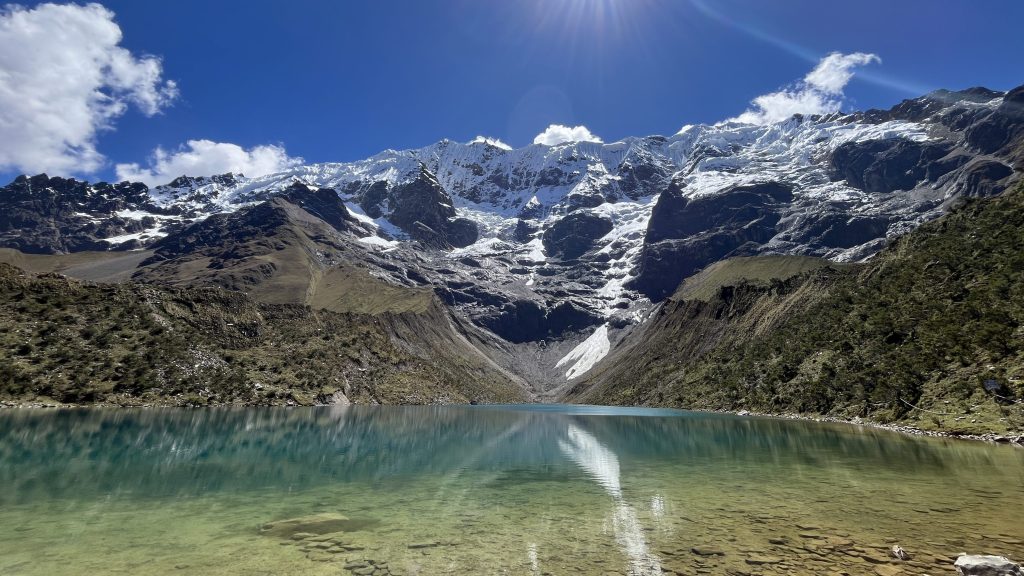
If you have seen photographs of a brilliant turquoise lake surrounded by steep mountain slopes, there is a good chance you have already come across Lake Humantay. Located along the route towards the Salkantay region (it is a stop on the famous Salkantay Trek), the lake sits beneath the impressive Humantay Glacier. Its vivid colour contrasts with the rocky landscape and snow-covered peaks, creating one of the most memorable day-trip destinations near Cusco.
A typical excursion involves an early departure from the city, breakfast on the way and transport to Soraypampa, where the hike begins. From there, the walk climbs towards the lake. Our Lake Humantay tour includes transport, a bilingual guide, breakfast and a buffet lunch.
The uphill section is relatively short, but it is steep and reaches approximately 4,200 metres above sea level. Walking slowly and allowing time to acclimatise can make a significant difference to your experience.
Humantay is a good choice if you want a full day in the mountains without committing to a multi-day trek.It is also a useful introduction to the topography and scenery you will encounter on longer routes such as the Salkantay Trek.
The Seven Lagoons: A day in the Ausangate region
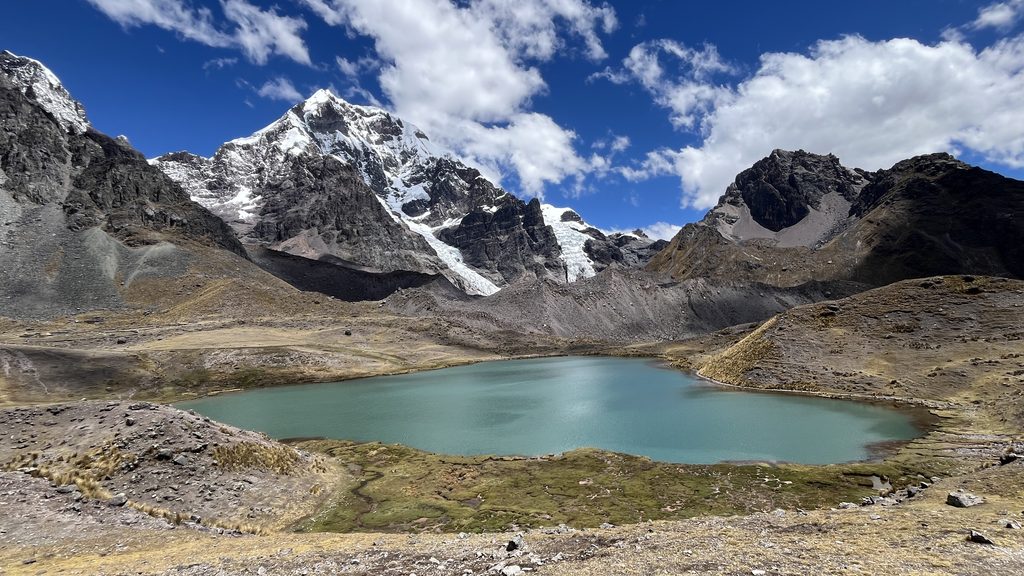
For travellers who want to experience a more remote Andean landscape, the Seven Lagoons near Pacchanta offer another excellent day trip. Located in the wider Ausangate region, this excursion takes you into an area of high mountains, open grasslands and striking glacial lakes. The route passes seven lagoons, each with its own colours and surroundings, beneath the imposing mountain scenery.
Our Seven Lagoons tour includes transport, a professional guide, breakfast, lunch and entrance to the conservation site. This is a more demanding outing than simply visiting a viewpoint. The combination of altitude and walking makes it important to arrive prepared, particularly if you have spent little time at high elevations before.While the route is not steep, the altitude can make it more challenging than some significantly steep routes
The area is also a useful introduction to the landscapes of the Ausangate region, which attracts trekkers looking for more challenging adventures away from the busiest routes. The route is a small section of the challenging 4-6 day Ausangate Trek, which we will mention later in this article
If you enjoy mountain scenery but are not ready for a multi-day expedition, the Seven Lagoons can offer an accessible taste of this wilder side of Peru.
Waqrapukara: An archaeological site away from the crowds
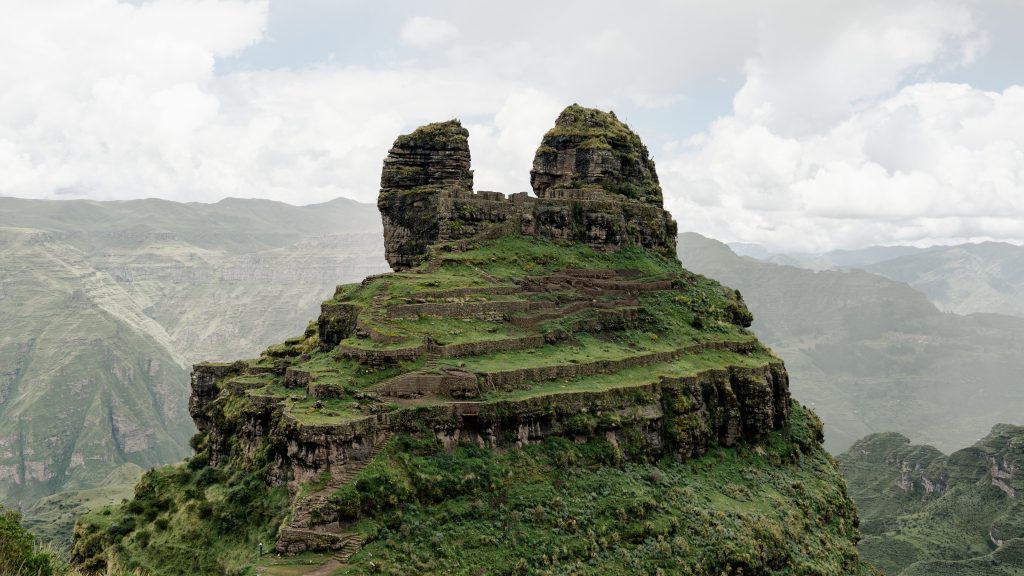
Waqrapukara is one of the most interesting destinations to consider if you want to combine hiking with archaeology. The name is often translated as the Horned Fortress, referring to the distinctive rock formations that rise above the surrounding landscape. The site contains an impressive Inca ceremonial complex overlooking the Apurímac River canyon.
Reaching Waqrapukara involves travelling away from Cusco and hiking through mountainous terrain. The reward is a remarkable archaeological site in a dramatic setting that feels quite different from the more heavily visited ruins around the city.
Our Waqrapukara tour includes transport, a professional guide, breakfast and a box lunch. According to our current tour information, departures are available on weekends, so check availability before planning your visit. Waqrapukara is particularly appealing to travellers who enjoy walking and want to discover somewhere less familiar than the Sacred Valley’s main archaeological sites. It is also a reminder that the Cusco region contains far more archaeological heritage than can be explored in a single visit.
Adventure activities: ATVs, rafting and ziplines
Not every memorable experience around Cusco needs to involve a long hike or an archaeological site. If you prefer something more active, there are several options that combine mountain scenery with adventure activities.
ATVs around Lake Huaypo and Maras
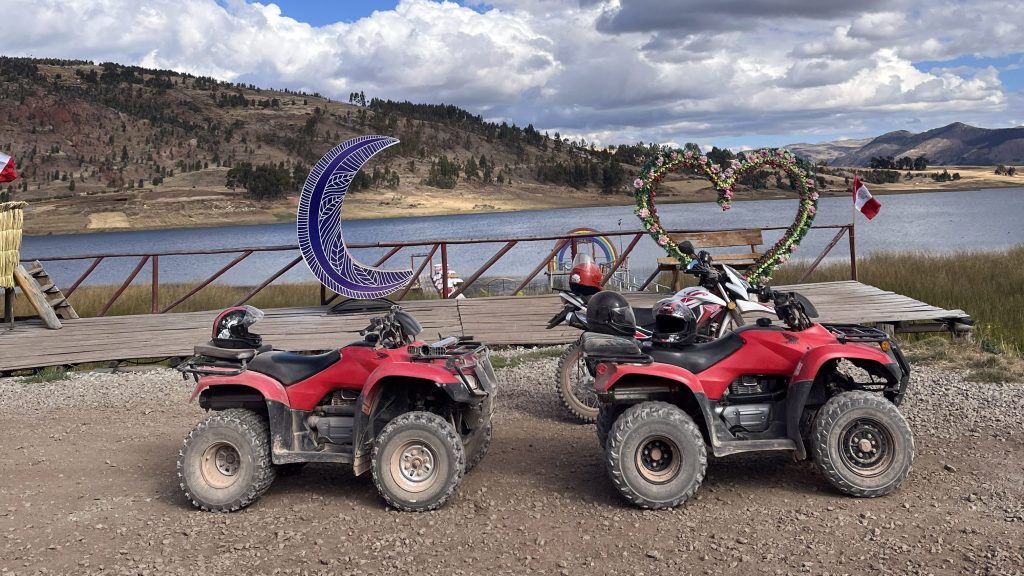
Lake Huaypo is surrounded by open Andean landscapes, with views across the countryside towards the mountains. Our ATV tour around Lake Huaypo and Maras combines an ATV ride through the landscape with a visit to the Maras Salt Mines.
It offers a different way to explore the countryside, particularly for travellers who want an outdoor adventure without committing to a long trek. The tour includes an ATV, helmet, gloves and a safety briefing. Participants should check the current requirements, including the stated prior driving experience requirement, before booking.
Rafting and ziplines at Cusipata
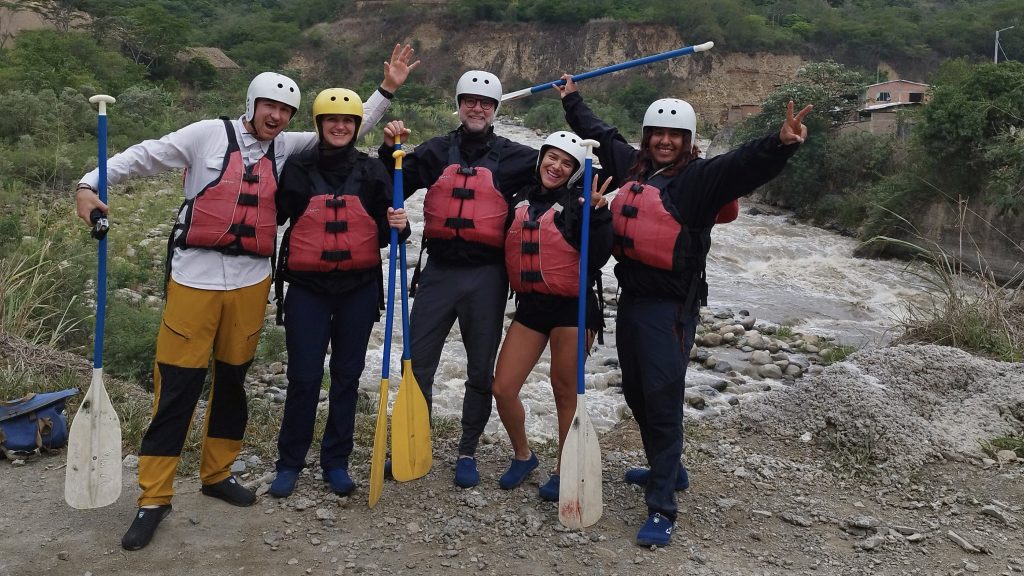
For a day on the water, our rafting and ziplines excursion at Cusipata takes visitors to the Upper Urubamba River.
The excursion includes rafting on Class II–III rapids, with potentially stronger conditions during the rainy season. Lunch, rafting equipment, a safety briefing and access to facilities at the river camp are included, while the zipline is an optional additional activity.
This is a good alternative if you want a break from sightseeing and hiking. As with any adventure activity, check the conditions and follow the operator’s safety guidance.
Independent hikes and treks from Cusco
One of the best things about spending time in Cusco is that you do not have to book an organised excursion every time you want to get outdoors. There are walking routes and archaeological destinations that can be explored independently, provided you research the route, transport, entrance requirements and current conditions beforehand.
Huchuy Qosqo: An Inca site above the Sacred Valley
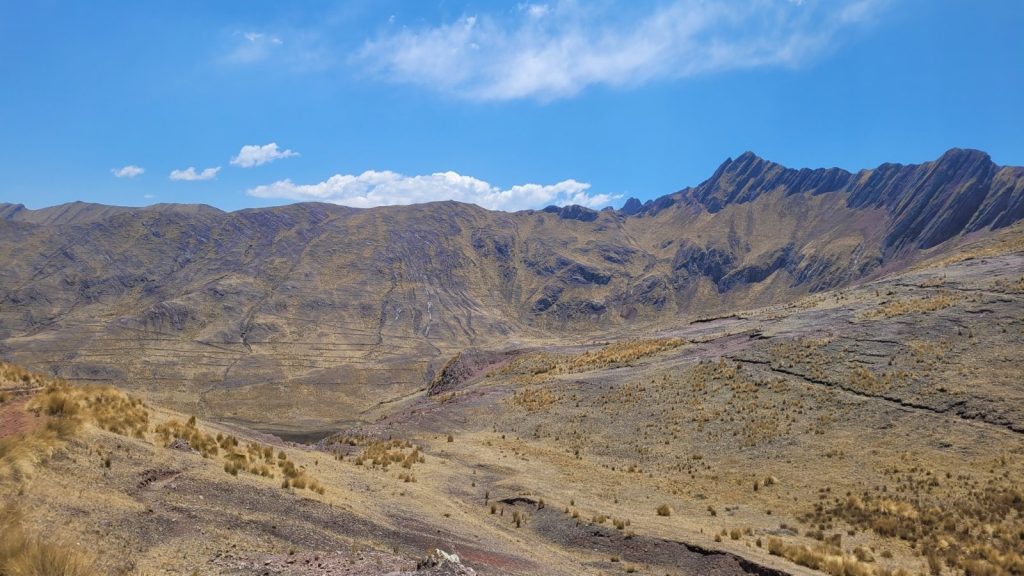
Huchuy Qosqo, meaning Small Cusco, is an archaeological site located high above the Sacred Valley. The ruins include stone structures and agricultural terraces, while the elevated position provides sweeping views of the surrounding valley and mountains.
There are several possible trekking approaches, including routes starting near Tambomachay outside Cusco and routes ascending from the Sacred Valley. The distance and difficulty vary considerably depending on which route you choose. For experienced walkers, it can be a rewarding independent adventure. However, do not underestimate the altitude, ascent and navigation. If you are unfamiliar with the area, consider travelling with a guide or arranging a local trekking service. To avoid a steep ascent it is possible to begin from Chinchero, however it is advisable to bring trekking poles for the steep switchback descent to Lamay at the end of the trek.
Before setting out, confirm access arrangements, entrance requirements and the current condition of the trail.
Inti Punku: The perfect dawn Instagram photo
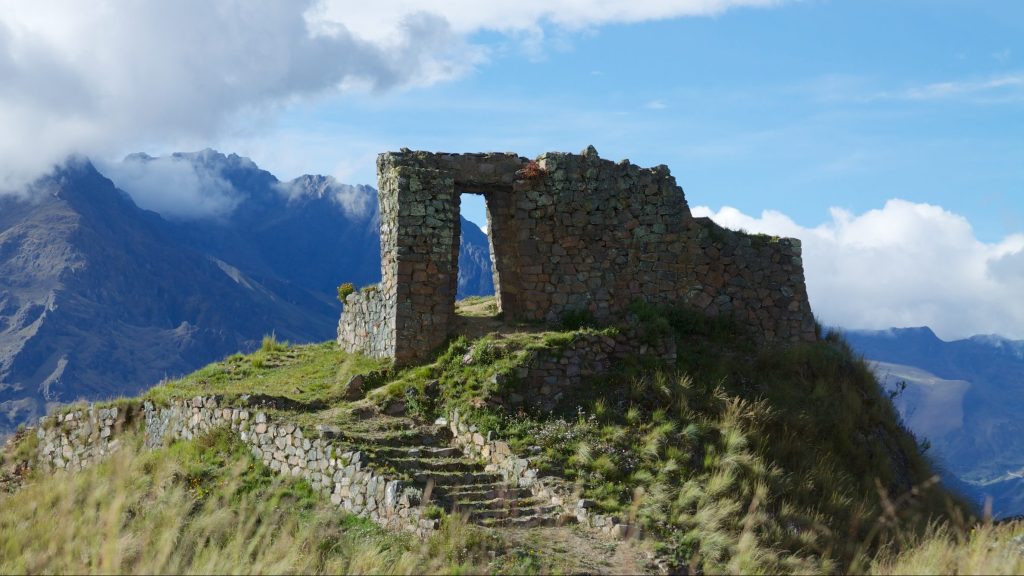
Inti Punku, the Sun Gate stands out on its amazing ridge-top lookout. Those Inca sure knew how to place their monuments for some spectacular views.
Intiki Punku is a stone door perched high above Ollantaytambo, which, if you are there at just the right time, frames the sun and mountains perfectly for an amazing picture. The site also provides incredible views of the Sacred Valley and acts as the first part of longer independent hikes into the surrounding mountains.
The roundtrip hike from and back to Ollantaytambo can be completed in one day with an early start, but most people choose to camp near the top so that they can reach the stone door just before dawn the following morning. The ascent is challenging, especially if you are not accustomed to the altitude and are carrying your own gear, but the views are worth the effort.
Exploring the Sacred Valley independently
If you are travelling on a tight budget, it is worth considering whether you need a tour for every destination. Some towns in the Sacred Valley can be reached using local transport from Cusco, allowing you to explore at your own pace. Pisac is a particularly useful option if you want to combine a market visit with time in the town.
However, independent travel requires a little more planning. Transport to a town does not necessarily take you directly to its archaeological site, and you may need to arrange onward transport or additional walking. If you want to visit several places in one day, compare the total cost and time of travelling independently with the cost of an organised excursion. A tour can sometimes be worthwhile when it combines transport, a guide and several destinations.
Tipón and Pikillaqta independently
The Southern Valley can also be explored without joining an organised tour.
Tipón and Pikillaqta are interesting destinations for travellers who want to understand more about Andean history and archaeology. They are located outside Cusco, so you should plan your transport carefully rather than assuming they can both be visited easily on a spontaneous walk. The official Cusco cultural authority provides visitor information for Tipón, including access details and opening hours. Check the latest information before travelling.
Walking around Cusco itself
You do not always need to leave the city to find an interesting walk. Explore the historic centre, head towards San Blas, visit local markets or walk to viewpoints overlooking the rooftops. These are flexible options for days when you want to take things slowly, save money or allow your body to recover after a demanding hike.
If you are staying in Cusco for several weeks, you can spread these activities across your time here rather than trying to fit everything into a short holiday.
Longer adventures: Choquequirao and Ausangate
If a day hike leaves you wanting more, the wider Cusco region is home to some of Peru’s most rewarding multi-day trekking routes. These adventures require more preparation than a standard day trip, but they can offer a very different experience of the Andes.
Choquequirao: The challenging alternative to Machu Picchu
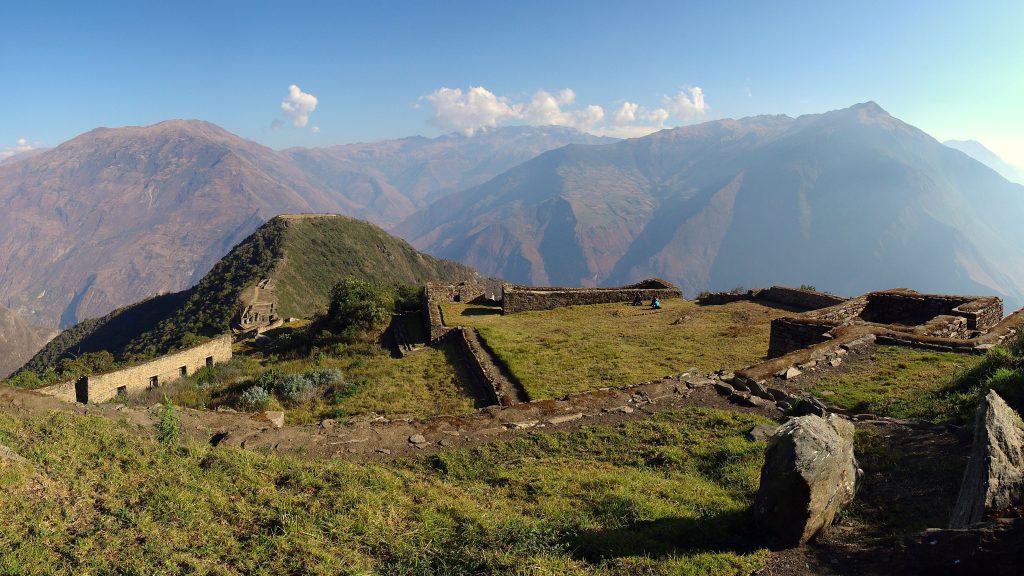
Choquequirao is a large Inca archaeological complex located in a remote mountain setting. It is often discussed as an alternative for travellers who want to combine archaeology with a demanding trek.
Unlike many popular destinations around Cusco, reaching Choquequirao involves a substantial hiking commitment. The route includes steep descents and climbs, and the journey generally requires several days. For independent trekkers with suitable experience, it may be possible to organise the route without booking a conventional group tour. However, you need to research transport to the trailhead, camping or accommodation arrangements, food, water and the current trail conditions.
If you prefer not to organise everything yourself, some trekking agencies can arrange guided trips with transport, meals and support. Proyecto Peru can also provide information about the Choquequirao Trek through partner organisations. It is listed in our Off the Beaten Track section, so contact us for current availability and arrangements rather than assuming it is operated directly by our team.
We also partner with a local camping gear rental store who offer Proyecto Peru clients discounts on the hire or purchase of high quality equipment.
Ausangate: High mountains and remote landscapes
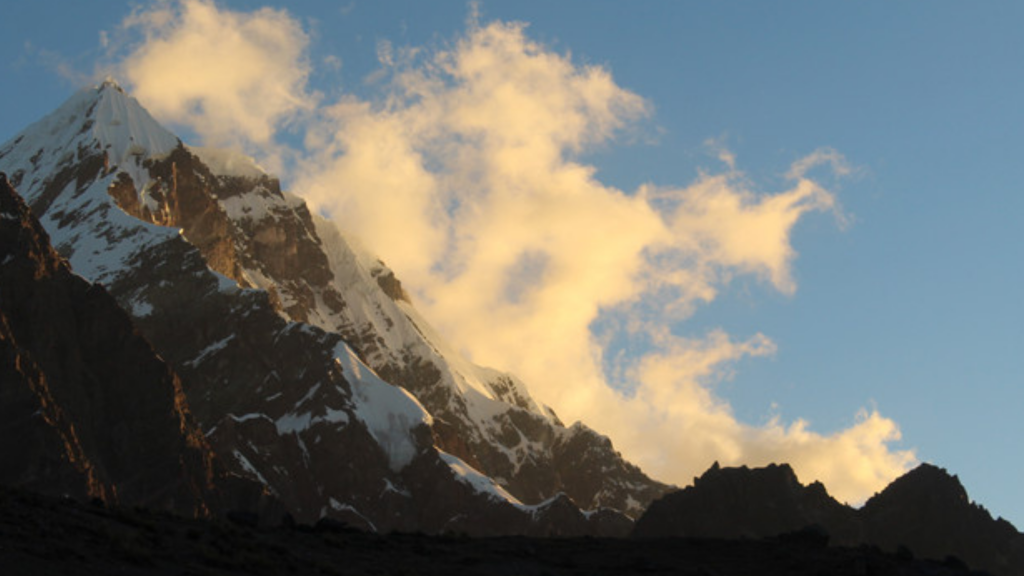
The Ausangate region is another major destination for trekking enthusiasts. The area is known for its dramatic mountain scenery, high-altitude landscapes and glacial lakes. Multi-day routes around Ausangate can take you through remote areas far removed from Cusco’s busy historic centre.
The difficulty depends on the route, but these treks can involve substantial distances, high passes and overnight stays at altitude, as well as extreme weather including snow. Many sections of the hike are over 5,000 meters in altitude, and it is common not to see other hikers for the majority of the route.Ausangate is best approached with proper preparation and an understanding of how your body responds to high elevations. Carrying oxygen is strongly recommended.
The classic route takes 4-6 days and is considered one of the most beautiful and challenging non-technical hikes in the Andes region. Experienced trekkers may prefer to research independent options, while others will find an organised trek more practical. We list the Ausangate Trek and Mini Ausangate among the additional trips available through partner organisations. If you are interested in either option, contact Proyecto Peru for more information.
It is also possible to climb Ausangate mountain itself from a basecamp located on a sidetrail at an altitude of 5450 meters. This must be arranged through a professional climbing organization in Cusco as it is both challenging and remote.
Other trekking adventures in near Cusco
Cusco is an excellent base for exploring the Andes. Depending on your interests and available time, you might also consider:
- Salkantay Trek: A multi-day mountain route that includes the Humantay Lake area and leads towards Machu Picchu.
- Classic Inca Trail: A famous multi-day trek combining mountain scenery, archaeological sites and the approach to Machu Picchu. This must be booked as much as 6 months in advance.
- Inca Jungle Trek: An adventure route combining activities such as downhill mountain biking, hiking and, depending on the itinerary, rafting or ziplining.
- Colca Canyon: A major trekking destination near Arequipa, known for its deep canyon landscape and opportunities to explore on foot.
- Other routes in the Cordillera Blanca: For travellers heading north away from Cusco, this mountain range offers further opportunities for high-altitude trekking, although these adventures require additional travel planning.
The right choice depends on how much time you have, your fitness, your trekking experience and whether you prefer to travel independently or with a guide.
Beyond Cusco: Lake Titicaca, La Paz and Arequipa
If you have more time in Peru, consider using Cusco as one stop on a longer journey rather than treating it as the only destination.
Lake Titicaca and Puno
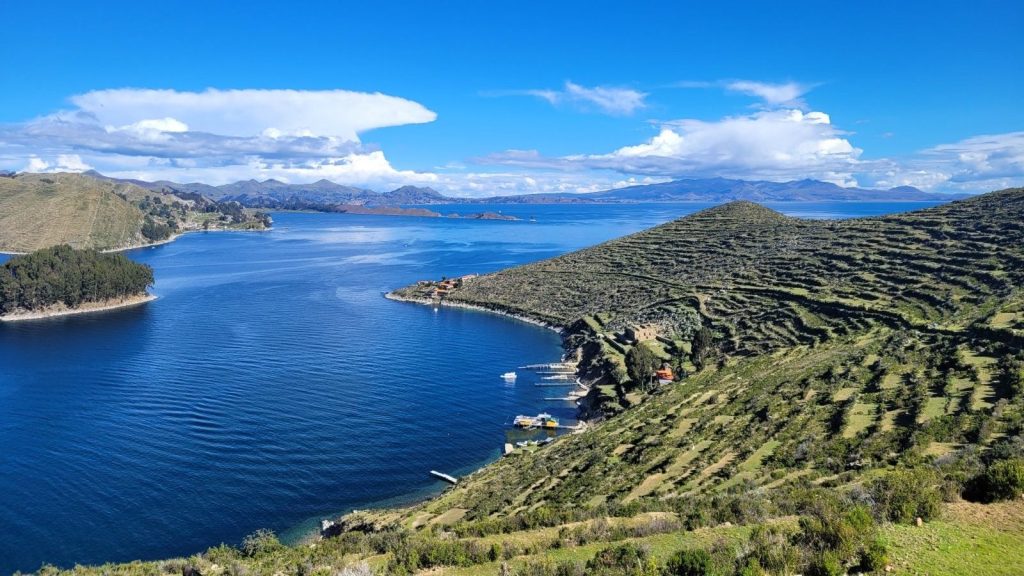
Lake Titicaca, on the border between Peru and Bolivia, offers a different landscape and cultural experience from the mountains around Cusco. Puno is a starting point for exploring the lake, including excursions to islands and lakeside communities. It is also possible to travel between Cusco and Puno by bus, with options for direct transport or a sightseeing journey.
Our Ruta del Sol tour is a one-way journey from Cusco to Puno with stops at Andahuaylillas, Raqchi, La Raya Pass and the Pucará Museum. It combines transport with several cultural and historical visits along the way.
We also offer a Lake Titicaca two-day option, which visits the famous floating islands and features a homestay with a local community on an island lake. You can find details of the available tours through our tours page.
Arequipa and Colca Canyon
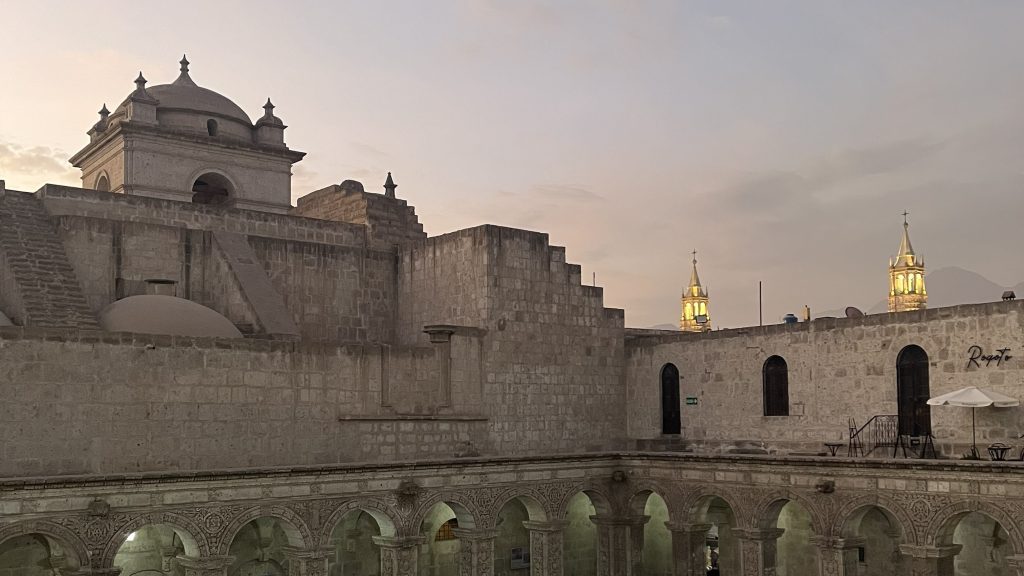
Arequipa is another worthwhile addition to a longer Peru itinerary.
The city is known for its historic architecture and setting beneath surrounding volcanoes. It is also a starting point for visiting Colca Canyon, where travellers can explore dramatic landscapes, viewpoints and trekking routes. Depending on how much time you have, you might visit the canyon on a shorter excursion or choose a multi-day trek. Some itineraries involve substantial descents and climbs, so check the route and difficulty before booking.
Travellers interested in mountaineering may also want to research guided climbs in the wider Arequipa region, including routes associated with the surrounding volcanoes. These are specialist activities, not casual day hikes, and require suitable equipment, acclimatisation and experienced guides.
If you have already spent several days exploring Cusco, Arequipa offers a useful contrast in scenery, architecture and regional culture.
La Paz and Bolivia
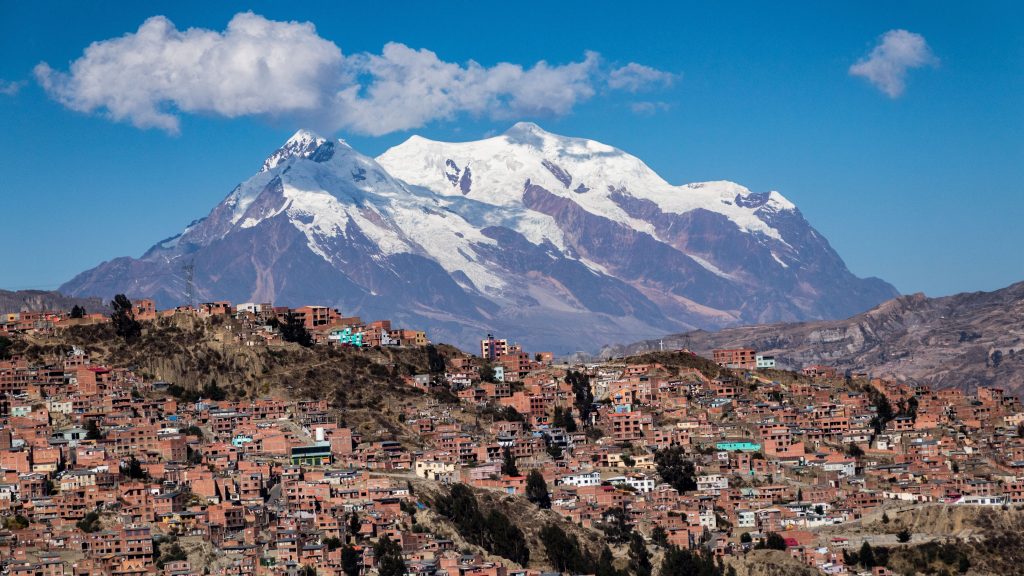
For travellers interested in continuing into Bolivia, La Paz offers a dramatic change of scenery, with a high-altitude city surrounded by mountains.
You can explore the city, visit markets, ride its urban cable-car network and arrange additional hiking or cycling adventures. One famous option is the downhill mountain-biking experience on the route commonly known as Death Road. This is an activity that requires careful operator selection and appropriate safety equipment.
Proyecto Peru also offers a flexible Cusco to La Paz to Cusco travel option. It is a transport arrangement with a flexible itinerary, rather than an all-inclusive sightseeing tour. The trip takes in Puno and Copacabana on opposing sides of Lake Titicaca before heading to La Paz itself. Accommodation, meals and optional activities need to be organised separately.
Always check border requirements, passport validity and entry rules for your nationality before planning an international journey.
Rainforest adventures and Peru’s more remote destinations
Peru is one of those countries where a relatively short journey can take you into a completely different environment. While Cusco is associated with the Andes, the wider region also provides access to the Amazon rainforest, and longer trips can take you to destinations far beyond the usual Cusco itinerary.
Manu Biosphere Reserve
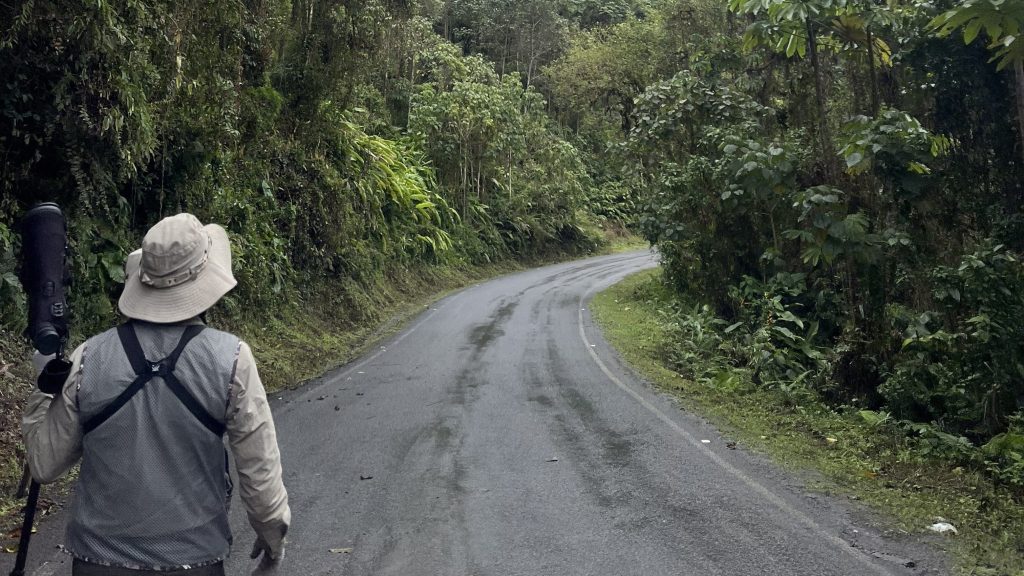
Manu is a major destination for travellers interested in rainforest environments and wildlife. Visiting involves careful planning because access, logistics and activities depend on the area visited and the arrangements made with an appropriate operator.It is a very different experience from the high-altitude hikes around Cusco, with a focus on rainforest landscapes and wildlife rather than mountain trekking.
Tambopata and Lake Sandoval
Tambopata and Lake Sandoval are other destinations worth researching if you want to experience the Peruvian Amazon. Depending on the trip, activities may include exploring rainforest trails, observing wildlife and travelling through waterways. The experience and wildlife you encounter will depend on the location, season and itinerary.
Proyecto Peru includes both Manu and Tambopata with Lake Sandoval among its Off the Beaten Track recommendations. These trips are arranged through partner organisations, subject to availability. Contact us if you would like information about current options.
Quelccaya Glacier
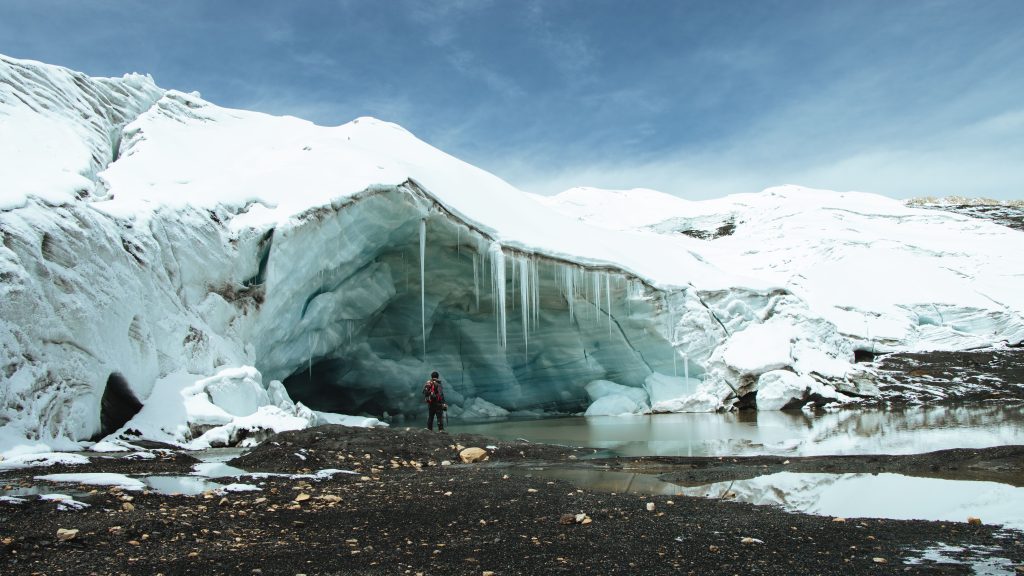
For travellers particularly interested in remote mountain landscapes, Quelccaya Glacier is another destination to investigate. It is situated over 5 hours from Cusco, meaning a long day is required, but the stunning views and opportunity to enter the glacial caves make it a unique experience.
Like the other destinations in this section, Quelccaya is listed as an additional trip available through partner organisations rather than as one of our standard directly operated excursions.
How to choose the best tours and hikes near Cusco
With so many options, it can be difficult to decide where to start. The best itinerary depends on your available time, budget, fitness and interests.
Here are a few things worth considering before booking.
If you have only two or three days
Prioritise a mixture of city exploration and one or two day trips.
You could explore Cusco’s historic centre and nearby archaeological sites, then choose between the Sacred Valley, Maras and Moray, Lake Humantay or one of the Rainbow Mountain options. Avoid trying to fit too many long excursions into consecutive days, particularly if you have only just arrived in the Andes.
If you have a week
A week gives you more flexibility to explore several different landscapes. You could combine the Sacred Valley with an excursion to the Southern Valley, choose a high-altitude day trip such as Palccoyo or Lake Humantay, and leave time for Cusco itself.
If trekking is a priority, consider spending more time on one substantial route rather than filling every day with a separate excursion.
If you have two weeks or longer
With two weeks or more, you can explore destinations beyond the standard tourist circuit.
You might combine Cusco and the Sacred Valley with a multi-day trek, continue to Lake Titicaca and Bolivia, or travel onwards to Arequipa and Colca Canyon. Longer stays also make independent travel more practical because you have time to research routes, compare costs and adjust your plans if the weather changes.
Travelling on a budget
You do not need to book an organised tour every day to enjoy the Cusco region. Explore the city on foot, visit local markets, use local transport where practical and choose a few paid excursions that genuinely interest you.
However, compare the full cost rather than just the advertised tour price. Transport, entrance tickets, meals and equipment can add up when travelling independently. On the other hand, a guided tour may offer better value when it combines several destinations in one day.
For remote hikes, also consider the cost of camping equipment, food, navigation and emergency support. Saving money should not mean taking unnecessary risks.
Practical tips for exploring beyond Machu Picchu
Before setting off on a tour or trek from Cusco, keep a few practical points in mind.
Give yourself time to acclimatise. Cusco itself sits at high altitude, and many popular excursions go considerably higher. Avoid scheduling the most demanding hike for your first day.
Check the actual difficulty. A short walk at 4,500 metres can feel harder than a much longer hike at lower altitude. Be realistic about your fitness and how you feel.
Prepare for changing weather. Mountain conditions can change quickly. Bring layers, waterproof clothing, sun protection and suitable footwear.
Check tickets and transport. Some archaeological sites require a tourist ticket or separate entrance fee. Independent excursions may also involve more complicated transport arrangements than they initially appear to.
Ask about inclusions. When comparing tours, check whether transport, meals, entrance fees, equipment and a guide are included. Not every excursion covers the same things.
Respect local communities and the environment. Follow local guidance, avoid leaving rubbish, respect archaeological sites and be considerate when visiting communities where traditional ways of life continue.
Do not underestimate remote routes. Multi-day treks and high-altitude destinations require more planning than a standard day trip. Check current conditions and consider using a qualified local guide where appropriate.
Final thoughts: There really is much more to Peru than Machu Picchu
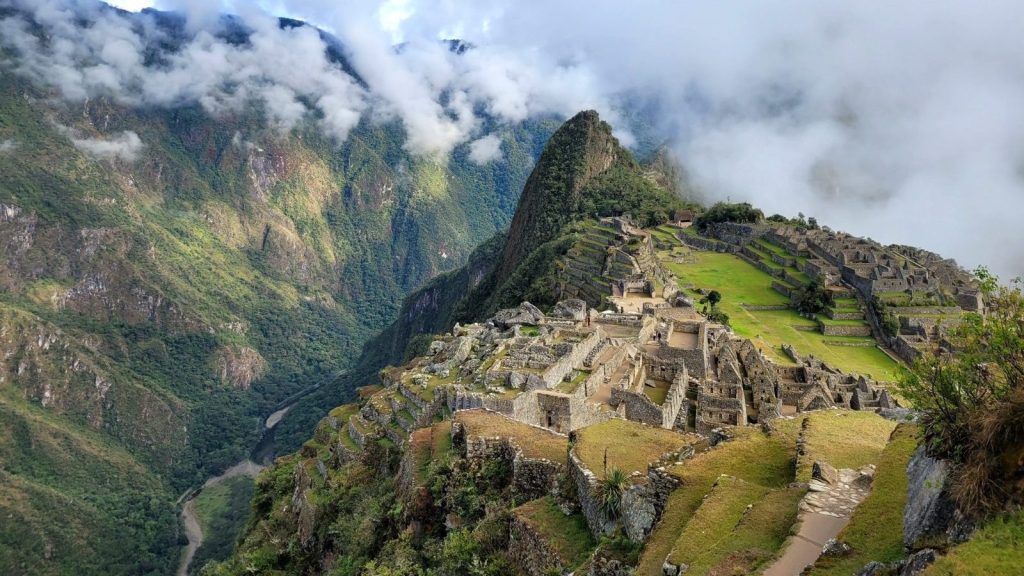
Machu Picchu may be one of the main reasons you decide to visit Cusco, but it does not have to be the only highlight of your trip.
The Sacred Valley, Rainbow Mountain, Lake Humantay and the Seven Lagoons offer spectacular scenery, while Waqrapukara and the lesser-known archaeological sites provide a deeper look at the region’s history. For those who want to go further, destinations such as Choquequirao, Ausangate, Colca Canyon and the Peruvian Amazon open up even more possibilities. Even a guide like this only scratches the surface of what Peru has to offer, we have not even mentioned the deserts of the south or Peru’s stunning coastline, all of which are worth visiting for those that have the time.
You can organise some adventures independently, book a guided day trip or work with a specialist operator for a longer trek. The right choice depends on your budget, experience and the kind of journey you want to have. At Proyecto Peru Centre, we can help you explore the region through our directly offered tours and provide information about additional trips arranged through partner organisations, as well as offer our advice and guidance for those looking to explore on their own.
Explore our tours and day trips to find out more, or contact us at tours@proyectoperucentre.org to discuss your plans.
We look forward to helping you discover more of Peru.