
Best Cities in Latin America to Learn Spanish: An Honest Guide for Every Type of Learner

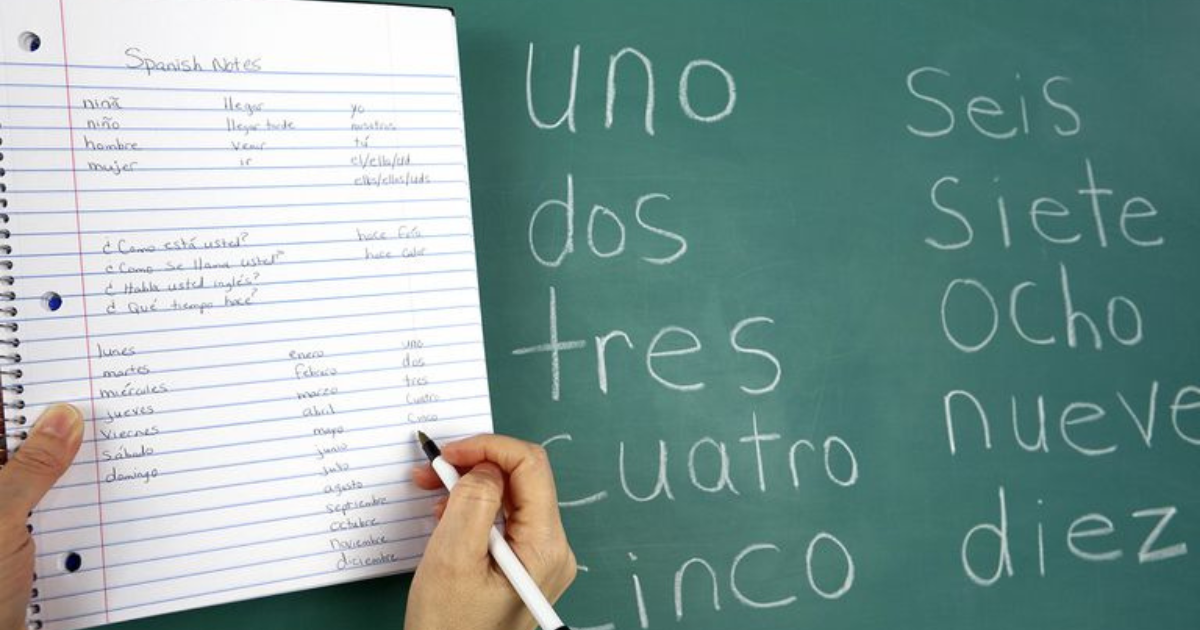
Spanish class with chalk board for Spanish learners in Latin America

Choosing where to learn Spanish in Latin America can feel overwhelming at first. The region is enormous and incredibly diverse. Every country has its own rhythms, accents, traditions, levels of affordability, and opportunities for immersion. Some cities are ideal for beginners who want structure and clarity. Others are perfect for long term learners who want culture, nightlife, and fast paced urban life. A few stand out because they offer a rare mix of everything.

This guide looks at eight of the most popular cities chosen by Spanish learners from around the world. The goal is to provide a comprehensive and honest view of what life is actually like in each place. You will find practical information about daily living, neighbourhoods, safety, and immersion, as well as deeper cultural context, language insights, and the type of learner each city suits best. Although we specialise in programs based in Cusco, this guide aims to give a fair overview of multiple popular destinations around the region.

The cities included are:

• Cusco, Peru
• Mexico City, Mexico
• Oaxaca, Mexico
• Antigua Guatemala, Guatemala
• San Jose, Costa Rica
• Medellin, Colombia
• Buenos Aires, Argentina
• Lima, Peru

Each section includes detailed descriptions and a full ratings breakdown. By the end, you will see how the cities compare and why Cusco stands out as the strongest all around choice for most learners.

Cusco, Peru

Image of Cusco one of the best cities to learn spanish in Latin America

Overall impression

Cusco is a city with an unmatched sense of history. It was once the heart of the Inca Empire. Today it remains a living blend of indigenous tradition, Spanish colonial influence, and a warm Andean culture that shapes daily life. The historic centre is a patchwork of stone streets, plazas, markets, and hillside neighbourhoods. Many residents still speak Quechua at home, yet the Spanish spoken in Cusco is notably clear, slow, and easy for learners to understand.

Cusco is unique because it manages to feel both intimate and vibrant. Visitors often say they feel at home after only a few days. Spanish learners thrive here because the pace of life encourages real conversation and the city rewards curiosity.

Why it attracts Spanish learners

Cusco has a long standing reputation for high quality immersion programmes. Homestays are common, and local families are used to welcoming learners into their homes. The cost of living is low, food is healthy and varied, and the city layout invites walking. The majority of people do not default to English, even in tourist zones, which creates an ideal environment for structured practice.

Because many visitors come to learn about culture rather than party or work remotely, the atmosphere in classrooms and communal spaces tends to feel grounded and supportive. 

The city is also ideal for those planning to combine Spanish learning with hiking in the surrounding Andes mountains or visiting historical sites such as the magical Machu Picchu. Most language schools provide guided tours and day trips in the region.

Practical details

Neighbourhoods

Most students live or study in the historic centre, near Avenida de la Cultura or in San Blas. San Blas is known for artisan shops, quiet cobbled streets, and a calm atmosphere. The centre around Plaza de Armas is livelier but still safe and walkable. Most schools are located in the historic centre.

Cost of living

Accommodation, food, and transport are significantly more affordable than in most other destinations on this list. Homestays usually include three meals per day, which makes long term study very cost effective.

Daily life and immersion

Daily interactions tend to be slow and personal. You will find yourself having full conversations with market sellers, taxi drivers, neighbours, and café staff. People are patient with learners and often genuinely pleased that a visitor is trying to speak Spanish.

Climate

Cusco has a dry winter and a rainy summer. Evenings are cool throughout the year. This climate supports outdoor exploration but you need layers.

Transport

You can walk almost everywhere. Buses are frequent and inexpensive. Most intercity trips start from the bus terminals. There is a regional airport that receives flights from Lima and other Peruvian cities as well as internationally from Bogota and Santiago. A new airport is scheduled to open 2026 promising even more international routes in the near future.

Cultural and sociolinguistic depth

Peruvian Spanish is considered among the most neutral variants, and is both slow and accessible. Cusco’s Spanish is strongly influenced by Quechua, yet grammatically it is neutral and easy to follow. Many locals speak slightly more slowly than coastal Peruvians, which beginners appreciate. The emphasis on respect and politeness in Andean culture creates a supportive environment where learners feel safe making mistakes.

Culturally, the city offers festivals, dances, Andean music, and one of the richest gastronomic traditions in the Andes. Markets are central to life and are excellent spaces for immersion.

Advantages

• Clear and slow Spanish ideal for beginners
• Extremely friendly local culture
• Affordable housing and food
• World class cultural sites
• Strong homestay tradition
• Walkable and manageable city layout
• Great sense of community among learners

Disadvantages

• Limited direct flights
• Altitude adjustment required for some
• Fewer nightlife options than large capitals
• Evening/morning Weather can be cool even in summer

Ratings

Cost of living: 5
Safety: 4
Neutrality of Spanish: 5
Culture: 5
Transport links: 3.5
Climate: 4
Quality of language schools: 5
Friendliness: 5
Suitability for beginners: 5

Mexico City, Mexico

Image of Mexico City in the evening - one of the best cities to learn Spanish in Latin America

Overall impression

Mexico City is a vast cultural powerhouse filled with museums, historic districts, colourful markets, and endless things to do. It has more than twenty million people in the wider metropolitan area. The scale can feel enormous, yet each neighbourhood has its own identity. Coyoacan feels artistic and historic. Roma and Condesa feel modern, leafy, and filled with cafés. The historic centre is grand and full of energy.

For Spanish learners, Mexico City offers cosmopolitan life, access to excellent teachers, and an accent that is widely understood across Latin America.

Why it attracts Spanish learners

The city has a large number of professional language schools and private tutors. Many learners choose to stay in neighbourhoods where it is safe, walkable, and easy to meet people. The local Spanish is expressive but clear, which helps comprehension. Mexican Spanish is the most widely spoken regional variant, although there are substantial differences between accents and speeds of speech within the wider country.

Practical details

Neighbourhoods

Roma, Condesa, Coyoacan, and Escandon are favourite areas among learners because of safety, cafés, tree lined streets, and creative communities. The historic centre is vibrant but can feel chaotic.

Cost of living

Costs vary widely. Some districts are affordable while others resemble prices in major North American cities. Food, transport, and casual dining remain relatively inexpensive.

Daily life and immersion

Mexicans in the capital tend to speak quickly yet clearly. Learners have countless opportunities to practice at markets, taquerias, museums, and on public transport. However, the city has enough English speakers that immersion requires some intention.

Transport

The metro is extensive and inexpensive. Buses and taxis are widely available. Traffic can be heavy but public transport makes the city accessible.

Climate

Moderate year round due to altitude. Warm days and cool evenings.

Cultural and sociolinguistic depth

Mexico City is one of the literary and artistic capitals of Latin America. The influence of Mexican Spanish is strong across the region, which makes it a useful dialect for learners. The city’s culture spans Aztec heritage, colonial architecture, muralism, modern arts, and a world renowned food scene. Learners interested in culture, politics, or history find endless material to explore.

Advantages

• Extraordinary cultural depth
• Clear Mexican accent
• Excellent infrastructure
• Large number of schools
• Strong café culture for remote work and studying
• International flight connections

Disadvantages

• Some districts have petty crime
• Population size can feel overwhelming
• Air quality can take getting used to
• Immersion requires deliberate effort in tourist friendly neighbourhoods

Ratings

Cost of living: 3
Safety: 3
Neutrality of Spanish: 4
Culture: 5
Transport links: 5
Climate: 4
Quality of language schools: 5
Friendliness: 4
Suitability for beginners: 4

Oaxaca, Mexico

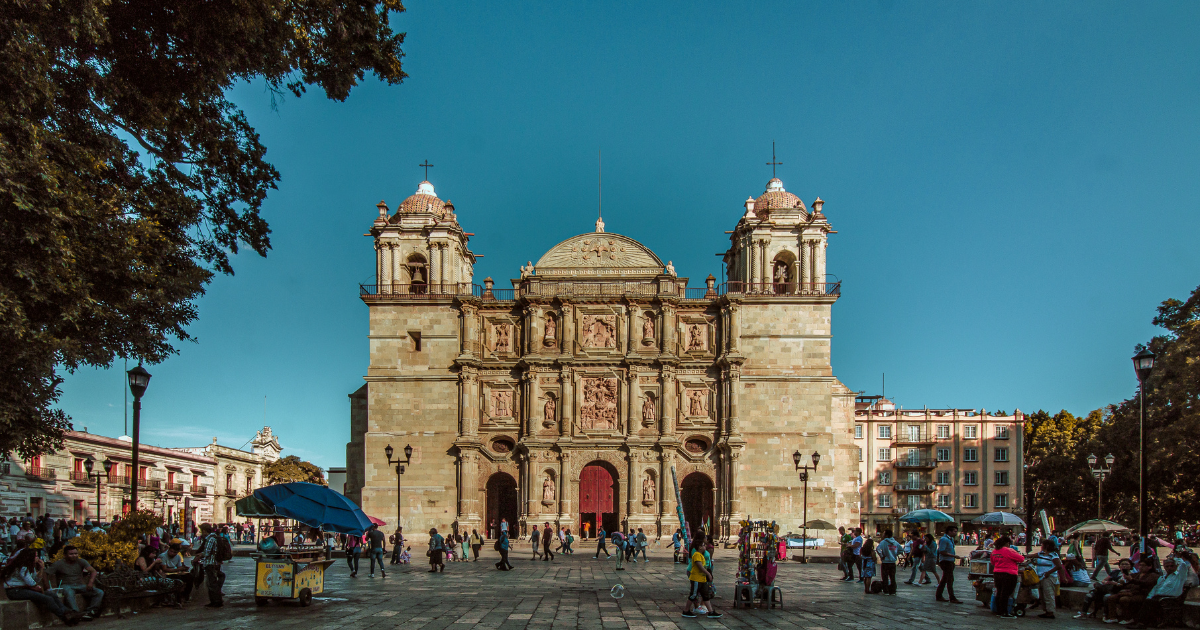
Image of Oaxaca's Zocalo in one of the best cities to learn Spanish in Latin America

Overall impression

Oaxaca is the cultural heart of southern Mexico. It is known for indigenous traditions, world class cuisine, handmade crafts, mezcal, festivals, and a warm, relaxed lifestyle. The historic centre is filled with colourful buildings, artisan markets, and plazas where people gather daily. Compared with Mexico City, Oaxaca feels intimate and grounded.

Why it attracts Spanish learners

Oaxaca has a long tradition of language schools that focus on cultural immersion. Many offer cooking classes, craft workshops, volunteer programmes, and trips to indigenous communities. Learners who prefer slower paced environments appreciate the city’s relaxed rhythm.

Practical details

Neighbourhoods

The historic centre and Jalatlaco are the most popular. Both are walkable, full of cafés, and safe for students. The atmosphere is calm and community oriented.

Cost of living

More affordable than Mexico City. Homestays are common and reasonably priced. Food markets make it easy to cook cheaply.

Daily life and immersion

Locals are warm and accustomed to visitors but do not tend to switch to English. The city has many indigenous languages in use, which adds cultural richness but can influence regional vocabulary.

Transport

The city is walkable. Buses are simple but reliable. The airport is small but functional.

Climate

Warm days and cooler evenings with a distinct dry season.

Cultural and sociolinguistic depth

Oaxaca has deep Zapotec and Mixtec influences. Many cultural experiences revolve around tradition, community, and food. Learners find themselves absorbed in cooking classes, artisan tours, local festivals, and markets that feel like extensions of daily life rather than tourist attractions.

The Spanish spoken here is generally clear but may contain regional words drawn from indigenous languages.

Advantages

• Strong immersion opportunities
• Exceptional food
• Safe, walkable, colourful centre
• Community focused atmosphere
• Rich artisanal traditions

Disadvantages

• Regional vocabulary can be unfamiliar
• Smaller airport with limited routes
• Slower nightlife scene
• Hot weather during parts of the year

Ratings

Cost of living: 4
Safety: 4
Neutrality of Spanish: 3
Culture: 5
Transport links: 3.5
Climate: 4
Quality of language schools: 4.5
Friendliness: 5
Suitability for beginners: 4

Antigua Guatemala, Guatemala

Image of Antigua Guatemala with volcano in background showcasing one of the best cities to learn Spanish in Latin America

Overall impression

Antigua is one of the most famous Spanish learning destinations in the world. It is a UNESCO listed colonial city surrounded by volcanoes, cobbled streets, and colourful houses. The atmosphere is peaceful, and the scale is small enough to feel comfortable immediately.

Why it attracts Spanish learners

Antigua became popular because the Spanish spoken in Guatemala is clear and not too fast while the cost of learning is low. This makes it ideal for beginners and intensive one to one tutoring. Schools in the city have decades of experience offering total immersion.

Practical details

Neighbourhoods

The entire town is essentially one walkable neighbourhood. Most schools and homestays are within a short walking distance of each other.

Cost of living

Very affordable. Homestays are inexpensive and usually include meals.

Daily life and immersion

Locals speak slowly and clearly. The city is tourist oriented, so English does appear, but most interactions remain in Spanish unless you request otherwise. The pace of life is gentle and social.

Transport

Good access to Guatemala City’s airport via shuttle services. The town itself is fully walkable.

Climate

Warm, spring-like climate with cool evenings.

Cultural and sociolinguistic depth

Antigua’s charm lies in its colonial architecture, markets, and surrounding countryside. Cultural activities tend to focus on coffee production, Mayan textiles, and volcano hikes. The Spanish taught in schools is among the clearest available in Latin America, which is why many learners begin here before moving to other regions.

Advantages

• Clear Spanish
• Strong homestay culture
• Affordable one to one tutoring
• Beautiful, walkable environment
• Relaxed lifestyle

Disadvantages

• Very tourist oriented in peak seasons
• Safety varies outside central areas
• Not as much cultural depth as larger cities
• Limited nightlife

Ratings

Cost of living: 4
Safety: 3
Neutrality of Spanish: 5
Culture: 4
Transport links: 3
Climate: 4
Quality of language schools: 4.5
Friendliness: 4
Suitability for beginners: 5

San Jose, Costa Rica

Image of San Jose one of the best cities to learn Spanish in Latin America

Overall impression

San Jose is the gateway to one of the most stable and nature focused countries in Latin America. While the city itself is more functional than beautiful, its educational system is strong and its people are welcoming. Many learners choose San Jose because Costa Rica is easy to navigate and offers excellent weekend trips.

Why it attracts Spanish learners

Costa Rican Spanish is known for clarity and politeness. Schools in San Jose have reliable teaching standards. The city also offers modern infrastructure and a strong sense of safety.

Practical details

Neighbourhoods

Barrio Escalante, Rohrmoser, and Sabana are popular among learners. They offer cafés, parks, and central locations.

Cost of living

Higher than other destinations. Food and accommodation are noticeably more expensive.

Daily life and immersion

Locals tend to be patient and friendly toward learners. Immersion is solid although the city has less cultural density than others on this list.

Transport

Public buses are extensive. Uber and taxis are widely used. Travel to beaches and national parks is straightforward.

Climate

Warm, tropical climate with rainy seasons.

Cultural and sociolinguistic depth

Costa Rican Spanish has a reputation for clarity and politeness. The use of usted is common in everyday speech, which can be helpful for understanding formal registers. Culturally, San Jose offers museums and theatres, although much of the country’s appeal lies outside the capital.

Advantages

• Safe country
• Clear and polite Spanish
• Modern infrastructure
• Friendly locals
• Easy access to nature

Disadvantages

• High cost of living
• City is less atmospheric
• Cultural offerings are more limited
• Not the strongest immersion compared to other destinations

Ratings

Cost of living: 2
Safety: 4
Neutrality of Spanish: 4
Culture: 3
Transport links: 4
Climate: 4
Quality of language schools: 4
Friendliness: 5
Suitability for beginners: 4

Medellin, Colombia

Imagae of Medellin with train leaving station in one of the best cities to learn Spanish in Latin America

Overall impression

Medellin is a modern, green, innovative city with a pleasant climate that feels like spring throughout the year. It sits in a valley surrounded by mountains and has a dynamic atmosphere that attracts digital nomads, young professionals, and travellers.

Why it attracts Spanish learners

The paisa accent is warm, melodic, and widely loved. Locals are known for being talkative and welcoming. Medellin’s modern infrastructure, metro system, and café culture make it accessible for both short and long stays.

Practical details

Neighbourhoods

Laureles is the favourite for learners because it is safe, walkable, residential, and full of cafés. El Poblado is more upscale and tourist oriented. Envigado offers a more local feel.

Cost of living

Affordable compared with major cities. Food, transport, and accommodation are reasonably priced.

Daily life and immersion

Colombians are very social. Conversations flow easily and learners are often drawn into friendly exchanges. Accents outside the city can be faster and less neutral.

Transport

The metro is efficient and clean. Cable cars connect hillside communities. Taxis and rideshares are common.

Climate

Spring-like temperatures all year.

Cultural and sociolinguistic depth

Medellin has a strong identity shaped by reinvention and innovation. Its museums, parks, and cultural centres reflect modern Colombian life. The paisa accent is not fully neutral but is known for its warmth and clarity.

Advantages

• Excellent climate
• Friendly locals
• Good metro and transport
• Affordable lifestyle
• Strong community feel in Laureles

Disadvantages

• Safety varies by district
• Tourist growth reduces immersion in some areas
• Accent differs noticeably from other regions

Ratings

Cost of living: 4
Safety: 3
Neutrality of Spanish: 4
Culture: 4
Transport links: 4
Climate: 5
Quality of language schools: 4
Friendliness: 5
Suitability for beginners: 4

Buenos Aires, Argentina

Stylised image of Buenos Aires at sunrise in one of the best cities to learn Spanish in Latin America

Overall impression

Buenos Aires is one of the most cosmopolitan cities in Latin America. It is known for theatre, literature, tango, café culture, and a European influenced architectural style. The pace of life is fast, intellectual, and expressive.

Why it attracts Spanish learners

Learners who love culture, nightlife, and artistic environments often find Buenos Aires irresistible. The Spanish spoken here is distinct due to the use of vos and unique pronunciation as well as many local terms and usages. This can challenge beginners but also enriches linguistic understanding.

Practical details

Neighbourhoods

Palermo is the most popular because of its cafés, parks, and nightlife. Recoleta offers elegance and museums. San Telmo has historic charm and a bohemian spirit.

Cost of living

Prices fluctuate due to economic conditions. Foreign currency advantages can make the city affordable.

Daily life and immersion

The city is full of conversation. Porteños speak expressively and with strong personality. Learners who enjoy social life will find many chances to practice.

Transport

The Subte metro network is extensive. Buses reach all parts of the city.

Climate

Humid subtropical climate with warm summers and mild winters.

Cultural and sociolinguistic depth

Buenos Aires is a cultural capital. Its theatres, bookstores, music venues, and cafés shape daily life. The local dialect, Rioplatense Spanish, is influenced by Italian immigration and uses the vos form. Learners gain exposure to linguistic diversity, though total beginners might find it challenging.

Advantages

• Incredible cultural life
• Lively and social atmosphere
• Affordable under current economic conditions
• Many schools and tutors
• Distinctive identity and charm

Disadvantages

• Accent can be challenging
• City is large and complex
• Economic instability
• Immersion varies by neighbourh

Ratings

Cost of living: 3.5
Safety: 3
Neutrality of Spanish: 2
Culture: 5
Transport links: 5
Climate: 4
Quality of language schools: 4
Friendliness: 4
Suitability for beginners: 3

Lima, Peru

Picture of Lima's waterfront with a Peruvian Flag showcasing one of the best cities to learn Spanish in Latin America

Overall impression

Lima is a large coastal capital with modern districts, world class food, and a diverse cultural scene. It feels very different from Cusco because it is coastal, urban, and contemporary. The Spanish spoken in Lima is considered one of the most neutral in Latin America.

Why it attracts Spanish learners

Learners choose Lima for its neutral accent, high level teachers, and vibrant food culture. The city suits long term study, especially for learners who want an urban lifestyle.

Practical details

Neighbourhoods

Miraflores, Barranco, and San Isidro are the most popular. All are safe, full of cafés, and close to the coast.

Cost of living

More expensive than Cusco but cheaper than San Jose or large North American cities.

Daily life and immersion

Locals tend to speak clearly and directly. English appears in tourist settings, but Spanish remains dominant in daily life.

Transport

The Metropolitano bus system connects major districts. Taxis and rideshares are common.

Climate

Cool, cloudy winters with a long season of overcast skies. Summers are warm and more vibrant.

Cultural and sociolinguistic depth

Lima has a strong literary scene, excellent museums, Afro Peruvian traditions, and a celebrated culinary identity. The Spanish spoken here is a good model for intermediate and advanced learners who want a neutral dialect.

Advantages

• Very neutral Spanish
• Excellent teachers
• World class food
• Safe and modern districts
• Good public transport in coastal areas

Disadvantages

• Weather can feel grey and uninspiring
• Traffic is heavy
• Large city with long travel times
• More expensive than smaller Peruvian cities

Ratings

Cost of living: 3
Safety: 3
Neutrality of Spanish: 5
Culture: 4
Transport links: 5
Climate: 3
Quality of language schools: 4
Friendliness: 4
Suitability for beginners: 4

Final comparison: which city is best overall?

Each destination on this list has strengths that make it appealing for different types of learners. They can all make a claim to be the best city in Latin America for Spanish learners in their own unique ways. Mexico City and Buenos Aires are ideal for people who want art, nightlife, and metropolitan energy. Oaxaca and Antigua are perfect for learners who want slower pace and intense immersion. Medellin offers modern living, warmth, and comfort. Lima offers neutral Spanish and an urban coastline. San Jose offers stability and clarity.

While we may be biased when the categories are compared side by side, one city stands out for delivering strong results across almost every factor that matters.

Cusco provides clear and accessible Spanish, affordability, rich culture, immersion that feels natural, and a community that supports learners at every level. It offers enough structure for beginners and enough depth for long term study. The lifestyle is safe, calm, and community focused. The city rewards curiosity and invites meaningful interactions that accelerate real progress.

This balance is rare, which is why Cusco remains the best all around choice for learning Spanish in Latin America.That said, you should choose the destination that matches your goals and interests.

Ready to learn Spanish in Cusco?

If you want to experience high quality immersion, clear Spanish, and a city filled with history and warmth, Cusco offers an ideal environment for meaningful learning. On or website you can explore our Spanish programmes, learn about our homestays and student house, read our testimonials or get in touch to speak with our team about which course suits your goals. We also offer volunteering and internships opportunities which allow you to practice and improve your Spanish while contributing to worthwhile projects. Whether you are a total beginner or a returning learner, Cusco provides the perfect setting to develop confidence and fluency. Contact us on info@proyectoperucentre.org.

The Value of Spanish for Proyecto Peru Volunteers: Connect, Communicate, Contribute

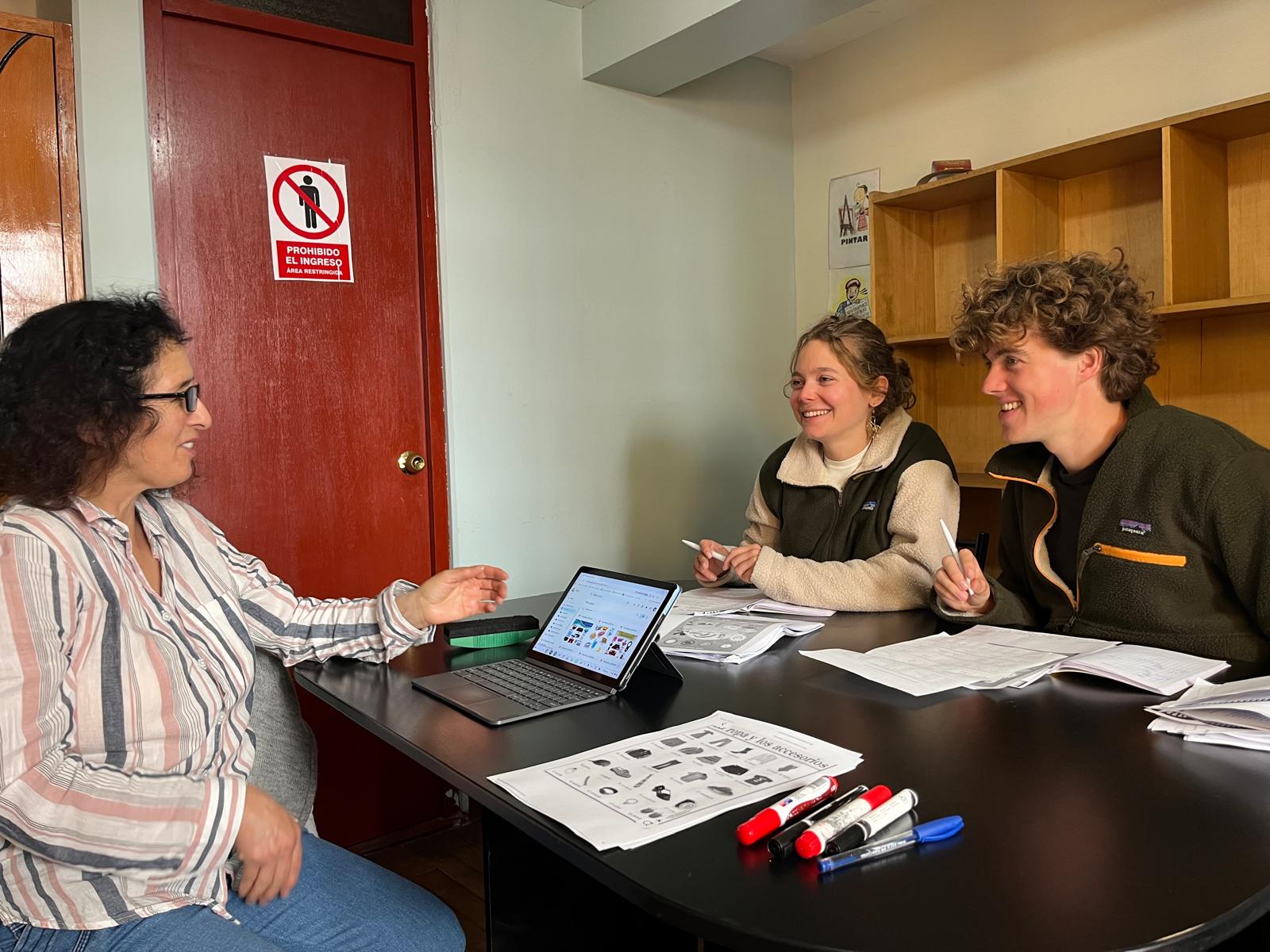
Local Cusqueña Spanish teacher conducting a Spanish lesson with two European students in a naturally lighted room with Ipad and homework sheets on black desk.

Do you value authentic travel experiences and genuine connections with the people, culture, and language of the places you visit? Are you someone who seeks personal and academic growth through adventure — willing to step into the unfamiliar to discover more about yourself and the world? If this sounds like you: at Proyecto Peru you can learn and grow through an authentic immersion experience. 

Cultural Significance of Learning Spanish in Peru 

One of the main goals at Proyecto Peru is for our students and volunteers to grow and immerse themselves fully in the Cusqueña culture. That being said, one of the most effective ways to get the most out of your experience is to learn the local language. Whether you are staying in Peru for several months or a couple of weeks, even a basic understanding of Spanish can elevate your experience more than you can imagine! 

The skills you learn in our Spanish courses will act as a guide while you explore the city of Cusco. Your Spanish will help you in connecting with people as you soak in the sights of the Sacred Valley, Machu Picchu, Lake Titicaca, and many more beautiful Peruvian landscapes.

Spanish Classes Offered at Proyecto Peru 

Proyecto Peru offers a variety of class options – online, individual, and group – so you can choose your own Spanish learning experience that fits your style. Online classes are ideal if you want to start learning before arriving in Peru or any Spanish-speaking country. If you’re more of an independent learner or want to challenge yourself, individual classes are perfect. And if you thrive in social settings and enjoy learning with others, group classes offer a fun and interactive experience. 

Whatever you decide, our Spanish classes and learning methods are designed for everyone – no matter your current comprehension level. Before you arrive, we will send you a short Spanish language exam so that your teacher can personalize their lesson plans for you! Additionally, all our Spanish teachers are expert, native Peruvian instructors who offer not only a great Spanish-learning experience but also firsthand knowledge of Peruvian and Cusqueña culture. 

Volunteer Experience – Volunteering in Peru 

Volunteering in Cusco, Peru is one of the best ways to truly immerse yourself in the local culture. Proyecto Peru offers guidance and tips to help program participants to be successful in their volunteering, and that starts with learning the language. Many participants find that taking our Spanish courses alongside a volunteering experience greatly enhances their ability to connect and communicate during their placements. Since each program has a recommended level of Spanish comprehension, many choose to begin their lessons before starting their volunteer work. However, even if you arrive in Cusco with little to no Spanish,  you will quickly pick it up through daily immersion in your volunteer organization homestay and the local community.

When you volunteer in Cusco with Proyecto Peru, you are not only contributing to a local organization’s mission, but also advancing your personal development by improving your Spanish.

Learn at Proyecto Peru

At Proyecto Peru, we believe that true growth comes from stepping out of your comfort zone and embracing the unknown. No matter your Spanish comprehension level, Proyecto Peru is here to support and inspire you. Whether you start learning online or wait until you arrive, investing in your language skills is investing in your journey — and in yourself.

Learn more about Proyecto Peru Spanish classes or Volunteer programs by clicking here or contacting us at info@72.62.129.111.

Monthly update

Back to the Office!

After several months of quarantine, the staff of Proyecto Peru was finally able to return to the office! Proyecto Peru can now work behind closed doors on administrative work. Everyone was very happy to return to the office. At the moment Proyecto Peru can not receive clients in the office, but we are looking forward to welcoming students again to Cusco! In the meantime, we continue to follow the updated corona safety regulations. 

Lockdown in Peru: a summary

In the beginning of March, Peru confirmed its first case of the Coronavirus. Peru responded quickly and declared a State of Emergency with a domestic lockdown. This all happened very quickly and there were several students of Proyecto Peru still in Cusco when all borders closed. Luckily, there were several repatriation flights and during March most students were able to get back home. Some students also decided to stay in Cusco, hoping that they could continue their project or travel plans after the lockdown.

This turned out to be an optimistic idea, as Peru stayed in quarantine till the end of June. The domestic lockdown meant that people were only allowed in the street for essential reasons, such as buying groceries or medication. As in most countries, people started to excessively shop for food, this resulted in empty shops which seemed a bit worrying in the beginning. However, it soon turned out that the shops had more than enough supplies and that excessive food shopping was unnecessary.

During the lockdown, the Peruvian government tried several systems.´ They for example introduced a system where men were only allowed in the street on Mondays, Wednesdays and Fridays and women only on Tuesdays, Thursdays and Saturdays. This system did not have much success and the government soon switched to a system where 1 person per family was allowed to do food shopping. 

In Peru, many people don’t have a registered job, this means they earn money per day, for example by selling souvenirs, snacks or food in the street. The lockdown has had a huge impact on poverty. Many people who used to live from the money they earned the same day on the street, were suddenly without income. The Peruvian government has tried to support its communities by providing financial bonuses. Moreover, people were able to take out money from their savings and pension funds. 

Most people seemed to be hopeful when the quarantine was lifted in June. Shops started opening again and the government introduced a 4 phase plan to re-open industries. As industries were slowly re-opening, national flights were also allowed again. People were happy to economically start again. However, the corona cases kept rising in Cusco.

In spite of all the optimistic recovering plans, Peru returned to a lockdown in the beginning of August. Luckily, this time the quarantine was not as strict as the first time. Restaurants stayed open and businesses were able to operate under certain regulations. International flights are expected to start again this October. As the Peruvian government continues to monitor the situation and make decisions accordingly, locals and tourists alike are hoping that restrictions will soon be loosened.

Proyecto Peru Hike

In August, some members of the Proyecto Peru team went on a hike! This is an amazing hike of 3 / 4 hours which you can start from the city centre for free. Coen has also guided this hike a couple of times for our volunteers. It is a great hike to get some fresh air without going too far from the city centre. 

Afterwards, Dora cooked one of her famous dishes: Ají de Atún! This is one of her personal recipes, a delicious alternative to the traditional Aji de Gallina.

Positive developments of the lockdown

The spread of the corona crisis has had, and will have many serious consequences. It does not only affect people’s health, but world economies, poverty and more. However in this article we will take take a look at some positive developments of the Corona crisis

More efficient online systems

The worldwide lockdown has forced people and companies to look for new solutions. People started working from home and so online systems became even more important. Businesses and even governments were forced to further improve their online systems. This is causing much more efficiency than before. In Peru, everyone knows the ´challenge´ of waiting in lines for hours or days to get a paper, to get a bank account opened or to get your visa signed. Because of the corona crisis, the government was now forced to change this system. They introduced a new ONLINE system and people are now able to make payments, request cards, papers and more online! On the long-term, this will be a huge advantage and it is a step towards more efficient systems!

Source of creativity 

Worldwide, people and business are becoming more creative. This crisis forces people to think differently, to evaluate the current lifestyle and to look for alternatives. As many people were stuck at home, they had time to re-evaluate their life. To pick up creative hobbies and to start thinking out-of-the.box. People found creativity in themselves they thought they did not have. People started online businesses, restaurants quickly adapted with delivery services, online cooking classes and more!

We can conclude that the importance of digital services has risen significantly in the past months. And though it takes time and effort to adapt to change, some changes will be a huge advantage on the long-term.

Medical Spanish programme

Proyecto Peru offers an extensive medical Spanish program to improve your medical Spanish skills. This program consists of 3 courses, from basic to advanced Spanish!

The program powers up your medical Spanish skills, such as specific vocabulary, grammar structures, greetings and introductions, medical conversation exchange, diagnosis, treatments and more! It teaches students how to interact and express themselves in a medical setting.

People of Proyecto Peru

Meet our staff: Coen Bosch, general manager and owner of Proyecto Peru

This image has an empty alt attribute; its file name is image-1-683x1024.png

Initially, Coen stumbled upon Proyecto Peru while seeking to learn Spanish during his travels. After back packing through Australia and Asia, he travelled around South America and like so many other travellers, he realised some Spanish would be helpful. First Coen fell in love with Cusco, the city and the people. Later on, Dora (owner of Proyecto Peru) was another reason for him to stay in Cusco!

Coen is Dutch and has been part of Proyecto Peru for more than 10 years. He actually studied and worked as a Biomedical electrical engineer before coming to Cusco. However, in Cusco he realised there was so much more he could do. He could drive real change by supporting and helping Peruvian families, volunteering projects, Spanish teachers and more. So here he is, more than 10 years later, working on the same mission: being part of driving change and improvements.

Proyecto Peru now offers a 40% discount on all online Spanish classes and a first free class. Contact us now!

https://www.facebook.com/ProyectoPeru

Peruvian Culture: Discover Cusco Carnival

Have you already been in the Inca Empire’s former capital, Cusco? If you haven’t, Proyecto Peru will give you yet another reason why you should visit it and discover the Peruvian culture!

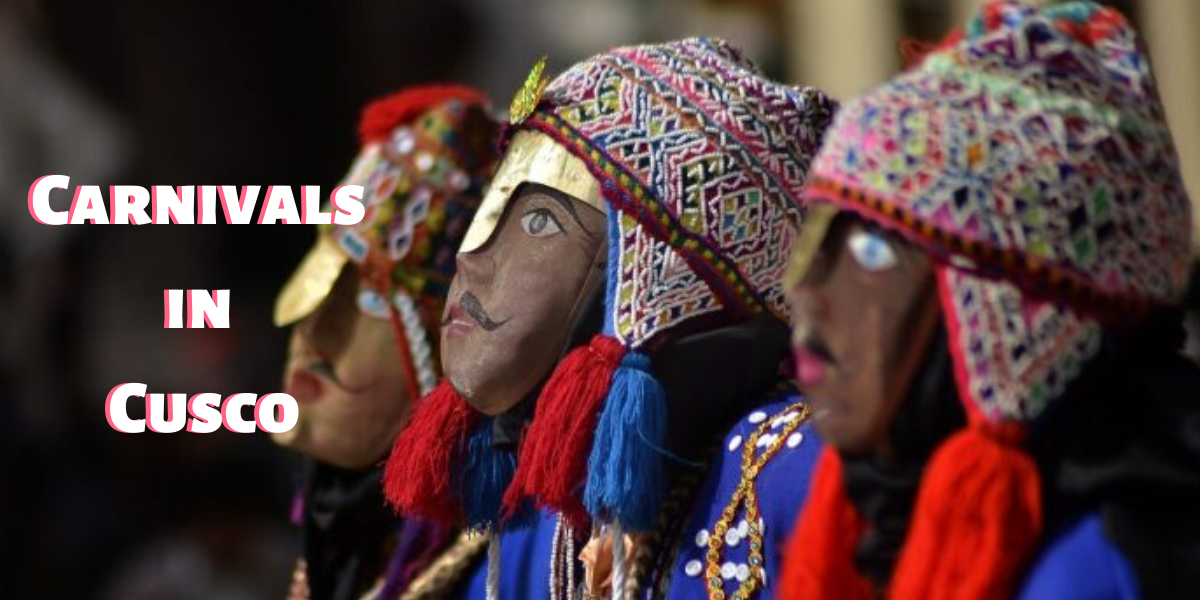
Cusco’s Carnivals

Cusco catches the eye of all world travellers and is one the first options when planning a trip to Peru. For this, and more reasons, the US website News & World Report ranked Cusco first on the best places to visit in Latin America.

Continue reading “Peruvian Culture: Discover Cusco Carnival”

Peruvian History: Qoyllur Riti, a religious festival like no other

Peru is a very religious country, especially if you visit the highlands. In Cusco, the heart of the Inca Empire, the Qoyllur Riti has a special place in the locals’ hearts. A mix of Andean mysticism and Western religiosity. This festival gathers more than 10 000 people every year in May or June.

This is a festival you can witness if you travel to Cusco during these months. So discover all the wonders the Qoyllur Riti has to offer!

Continue reading “Peruvian History: Qoyllur Riti, a religious festival like no other”

Learn Spanish in Peru

In this article, Laura Graichen shares her experience learning Spanish with Proyecto Peru.

Five years ago, I came to South America with zero knowledge of the Spanish language. I thought that I would get far with hands and footwork, but nothing could be further from the truth. Well, in the end you will get there, but some basic knowledge of Spanish is actually indispensable as it makes traveling a lot easier. In addition, it is nice if you can chat a little with the locals. You immediately get a lot of respect if they only see that you are trying!

Continue reading “Learn Spanish in Peru”

Checklist before you travel in Peru

Proyecto Peru helps you with the preparation for your trip to Peru. Below we have listed the most important subjects.

How long does the trip to Peru take?

Peru is a very big country, about 2.5 times bigger than France. So be aware of your travel preparation, and that it takes a lot of time to travel these distances. Between the coast and the inner land lies the Andean chain. There are some peaks between 3,000 and 4,000 meters (if not higher!) That you have to cross.

Continue reading “Checklist before you travel in Peru”

Life in Cusco: The best bars in town

“You can’t buy happiness, but you can prepare a cocktail. And that’s kind of the same thing.”

When googling Cusco to do your volunteer work, I’m sure you are bombarded with cute photos of llamas and alpacas (and, of course, you’re not able to tell which one is which). And you’re also bombarded with beautiful photos of Machu Picchu, Rainbow Mountain, the Sacred Valley, Lake Humantay, and the list goes on.

Continue reading “Life in Cusco: The best bars in town”